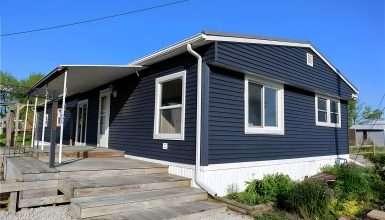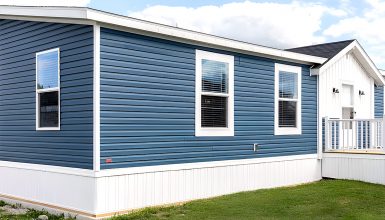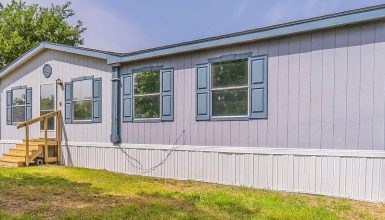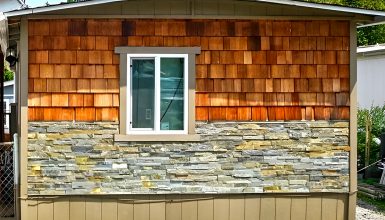

New siding can make a mobile home look fresh and cared for. The right vinyl can also handle years of sun, rain, and wind. But color is only one part of the choice. You also need to check the home’s walls, the siding’s strength, and how each piece will be installed.
Use this guide to choose a style that fits your home and plan a remodel that looks good from the start.
1. Check the Walls Before You Choose Siding
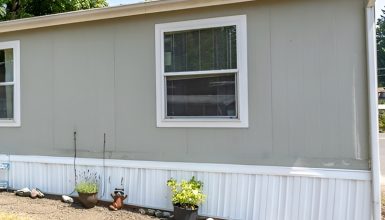
Start with the wall surface. Look for loose panels, soft spots, stains, and gaps around windows or doors. These may point to water damage. Vinyl siding can cover old siding, but it cannot repair a wet or damaged wall.
If you find a problem, fix it before the new siding goes up. The installer may need to remove old panels to inspect the sheathing, which is the layer beneath the siding. Ask for photos of any damage and a clear repair plan.
Also check the home’s manual or contact the manufacturer if you can. HUD notes that changes to a manufactured home may affect its warranty. Local rules and park requirements may also limit the work or the style you can use.
Cues
- Check for soft or swollen wall areas.
- Look for dark marks and peeling paint.
- Press gently around windows and doors. The wall should feel firm.
- Ask whether the quote includes old siding removal.
- Check local permit rules and park guidelines.
- Keep the home’s manual and any remodel records.
2. Choose a Profile That Fits Your Home
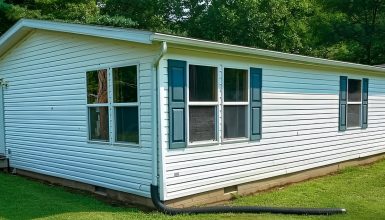
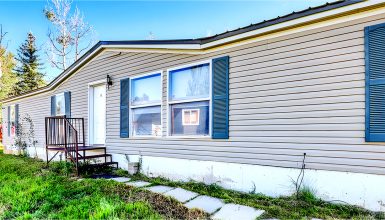
A siding profile is the shape and layout of each panel. Most vinyl siding has a horizontal lap style. Each row overlaps the one below it. This familiar look works well on many mobile homes.
Some profiles have a smooth face. Others have a wood grain texture. You can also choose a wider or narrower lap. Wider panels create a calm, simple look. Narrower panels add more lines and detail.
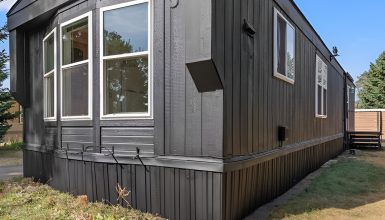
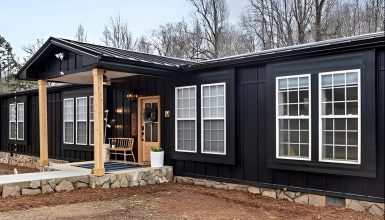
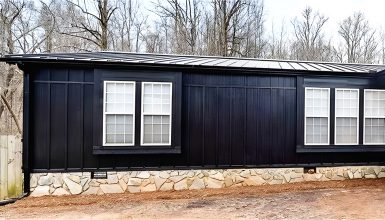
Board-and-batten siding uses wide vertical panels with narrow strips over the seams. It can give a mobile home a cottage or farmhouse look. You can use it on the whole home or add it to one section, such as a front gable. A mix of profiles can look polished, but too many styles may make a small exterior feel busy.
Cues
- Choose horizontal lap siding for a classic look.
- Try board-and-batten for a taller, cottage-style look.
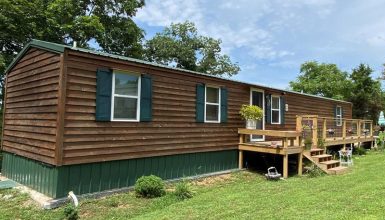
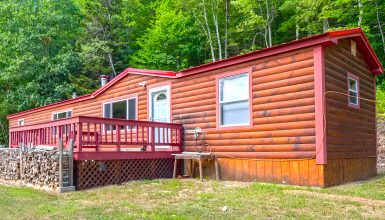
- Use a wood grain finish for a softer, natural feel.
- Compare panel widths from the road, not only up close.
- Limit the exterior to one main profile and one accent style.
3. Compare Panel Strength and Wind Ratings
Vinyl siding comes in different grades and thicknesses. In general, thicker panels feel firmer and may resist dents better. Still, thickness alone does not tell you how well the siding will perform.
Ask for the product’s wind rating and installation instructions. These details matter in areas with strong winds. The installer must fasten the siding as the maker directs. Each panel also needs room to move as temperatures change. If a panel is nailed too tightly, it may buckle or ripple.
Ask the contractor to name the exact product on the quote. “Vinyl siding” is not enough detail. The brand, product line, panel size, finish, and trim should all be clear.
Cues
- Ask for the panel thickness and wind rating.
- Request the product name and written specifications.
- Check that the siding suits your local weather.
- Ask how the installer will allow panels to expand and shrink.
- Confirm that the quote lists the panels, trim, and starter strips.
4. Pick a Color That Works With the Roof and Trim
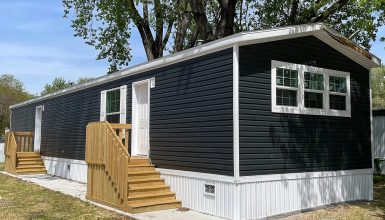
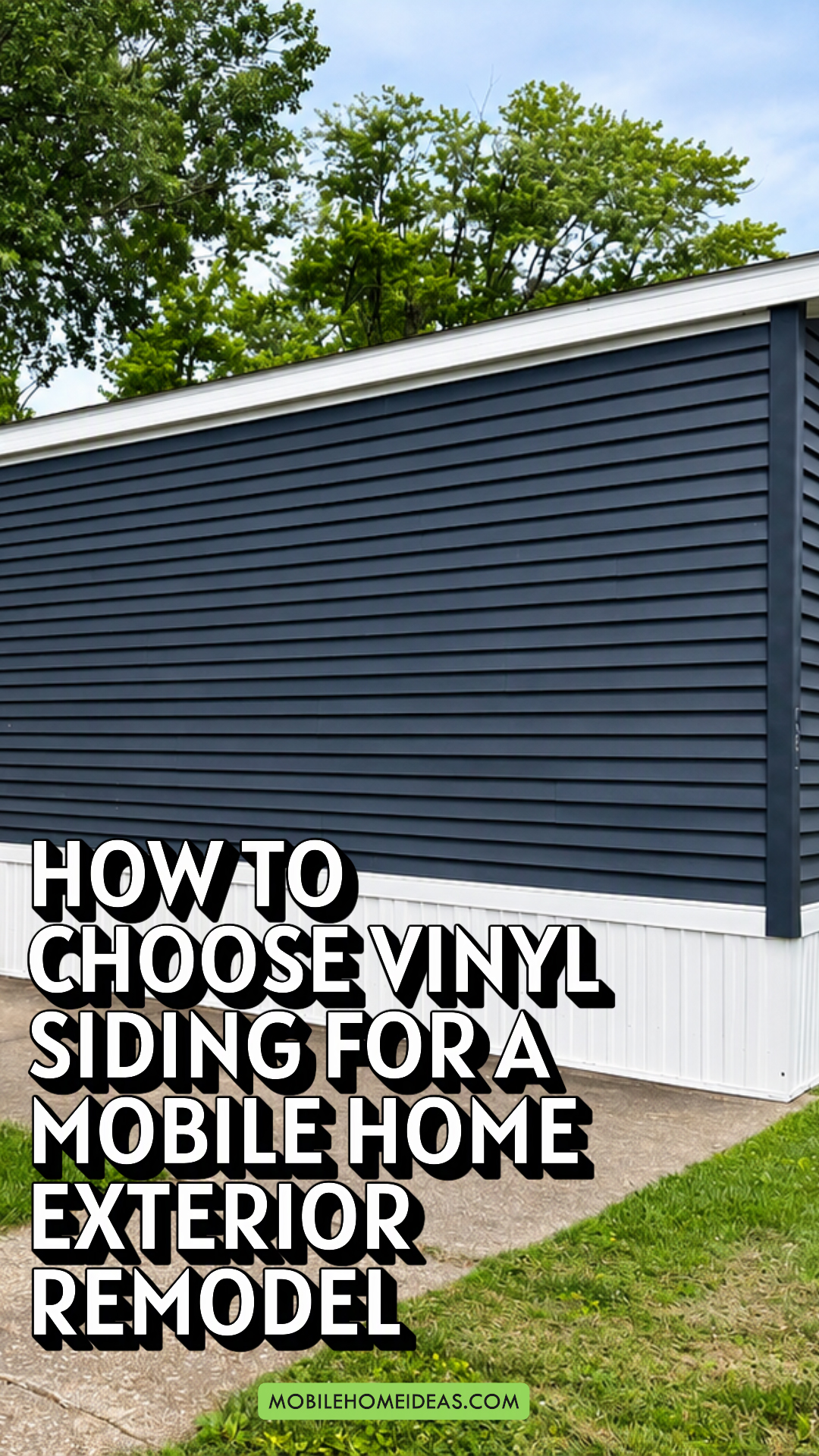
Color sets the mood of your exterior. Light colors can help a home feel open and bright. Dark colors can create a bold look, but they may show dust or fading more clearly.
Look at the roof, windows, doors, steps, and skirting before you pick a shade. These fixed parts should work together. A warm gray roof may pair well with cream, pale green, or soft blue siding. A dark roof can anchor lighter siding and crisp white trim.
Ask for full-size samples. Hold them beside the home in morning sun and afternoon shade. Colors can look different outdoors than they do on a screen or small swatch.
Cues
- Match the siding to the roof’s undertone.
- Use trim to frame windows and corners.
- Try a small sample against the home before ordering.
- Check the color in bright sun and shade.
- Keep bold colors for the front door or a small accent.
5. Plan Trim, Corners, and Skirting
Trim gives the siding a clean finish. It frames windows and doors, covers edges, and joins corners. Choose trim that matches or gently contrasts with the siding.
Ask how the installer will finish areas where siding meets the roof, porch, doors, and utility openings. These spots need careful cuts and flashing. Flashing is a thin piece that helps direct water away from a joint. Neat trim cannot make up for poor water control, so ask how the crew will keep water from getting behind the siding.
Skirting completes the lower edge of a mobile home. You can match it to the siding or choose a darker shade to ground the exterior. Make sure the plan also keeps access panels and required vents clear. Do not cover vents or block access to pipes and equipment.
Cues
- Choose matching or simple contrasting trim.
- Ask how corners and window edges will be finished.
- Check how siding will meet the porch and roofline.
- Coordinate siding with the skirting color.
- Keep vents and access panels open.
6. Protect the Wall From Water
Vinyl siding sheds much of the rain, but some water can get behind it. A water-resistive barrier, such as housewrap, helps guide that water down and away from the wall. The barrier must connect and overlap in the right order. The installer must also seal or flash openings and joints.
The U.S. Department of Energy explains that a wall barrier behind siding helps drain water that passes the outer layer. That means the layer beneath the siding matters as much as the panels you see.
Ask the contractor what sits behind the new siding. If the old wall surface stays in place, ask how the crew will check for damage and handle the added thickness. New siding can affect window trim, doors, and outside fixtures.
Cues
- Ask whether the quote includes housewrap or another approved barrier.
- Check how the crew will flash windows and doors.
- Make sure water can drain out at the bottom of the wall.
- Ask how outlets, vents, and pipes will be handled.
- Review changes to trim depth if siding goes over old panels.
7. Decide Whether to Add Insulation
A siding project may be a chance to improve comfort. Some homes can use insulated siding or exterior foam under the siding. These options may help reduce heat loss through the walls. The right choice depends on the wall design and local climate.
Do not add insulation without checking the wall system first. The wrong layers can trap moisture. Ask a qualified contractor how the added material will affect windows, doors, and water drainage. The Department of Energy notes that exterior insulation can reduce heat flow through wall framing, but it must work with the rest of the wall assembly.
Cues
- Ask whether the home can support added exterior insulation.
- Compare insulated and standard siding options.
- Check how added thickness will affect windows and doors.
- Confirm that the wall can still dry and drain well.
- Ask for a clear explanation of any expected energy savings.
8. Compare Bids by Scope, Not Just Price
A low bid may leave out important work. Ask each contractor to list the same items so you can compare fairly. The quote should name the siding product, trim, removal work, wall repairs, water barrier, flashing, cleanup, and warranty.
Ask who will handle permits and park approvals. Check that the installer has experience with manufactured homes. These homes may have different wall details from a site-built house. A crew familiar with mobile home siding can spot issues before they become costly repairs.
Cues
- Get written bids with the same scope of work.
- Confirm the product brand and line.
- Ask what happens if the crew finds rot or damaged sheathing.
- Check the installer’s experience with mobile homes.
- Review labor and product warranties.
- Ask who will remove and dispose of old siding.
9. Make the Final Choice
Before you order, review the color, profile, trim, and skirting together. Check the written quote and confirm the installer will follow the product instructions. Also make sure the work fits local rules, park guidelines, and any warranty terms.
The best siding choice should suit the home, the climate, and your budget. It should also come with a clear plan for the layers beneath it. When those pieces work together, your remodel can give the home a cleaner look and a stronger finish.
Final cues
- Choose a profile that fits the home’s shape.
- Pick a color that works with the roof and trim.
- Compare product strength and wind rating.
- Repair wall damage before covering it.
- Confirm water control, flashing, and drainage.
- Get the full scope in writing.
- Save product details and remodel records.
Ready for a Fresh New Look?
Choosing the perfect vinyl siding for your mobile home is all about finding a style and color you love, thinking ahead about durability and insulation, and making sure it fits your budget. With a little planning, your mobile home can look brand new—no matter its age. So go ahead, dream big, and get ready to fall in love with your home all over again!