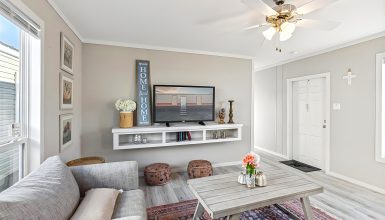
Could a small home feel calm, bright, and full of character? It can. A few smart choices can help each room work harder, while warm colors and personal touches make the home feel like yours.
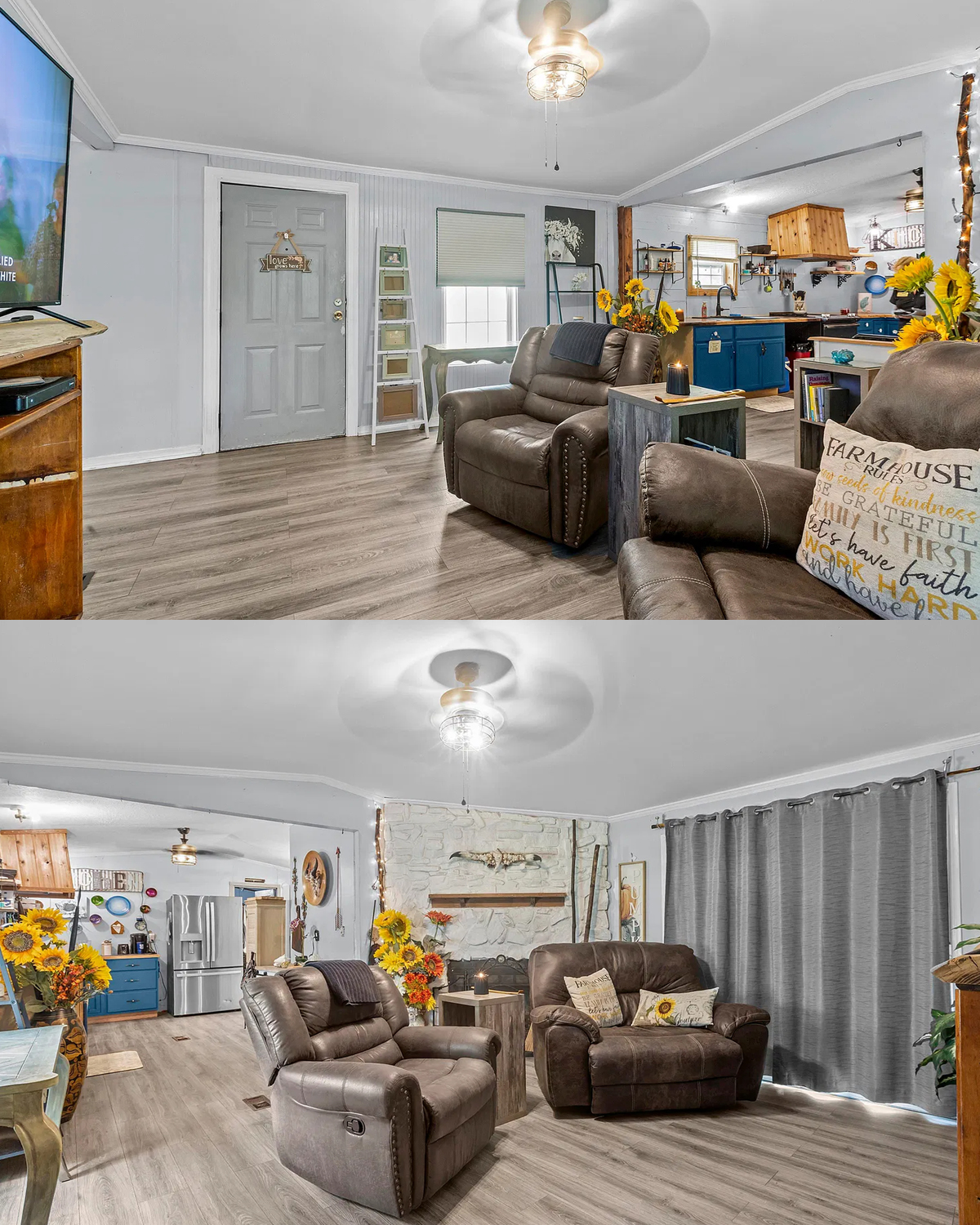
This single-wide home brings together an open living room, a long kitchen, cozy bedrooms, and a small outdoor space. Its mix of blue cabinets, wood tones, gray floors, and cheerful floral accents gives us a useful starting point. The ideas below show how to build on that look, keep rooms connected, and make the most of every inch.
1. Start with a simple plan
Before you buy a rug or move a chair, think about how you use each room. Do you cook with family? Do guests gather in the living room? Do you need a quiet place to read or work? These answers can guide your choices.
In a single-wide home, rooms often sit close together. The living room may open into the kitchen. A short hall may lead to a bedroom and bath. That layout can feel cozy, but it also asks you to choose each piece with care.
Start with one main color for the walls or large pieces. Then add two or three smaller colors through pillows, flowers, rugs, or art. The blue kitchen cabinets in this home offer a strong accent. White walls and gray floors help balance that color. Warm wood adds a softer note.
Keep the walkways clear. Measure the room before you bring in a new sofa, table, or cabinet. A piece may look small in a store, yet take up too much room at home. Use painter’s tape on the floor to mark its size. Then walk around the shape and see how it feels.
Cues to use
- Choose one main color and two or three accents.
- Measure large furniture before you buy it.
- Mark new furniture sizes on the floor with painter’s tape.
- Keep paths between rooms open.
- Pick decor that suits your daily routine.
2. Make the living room feel open
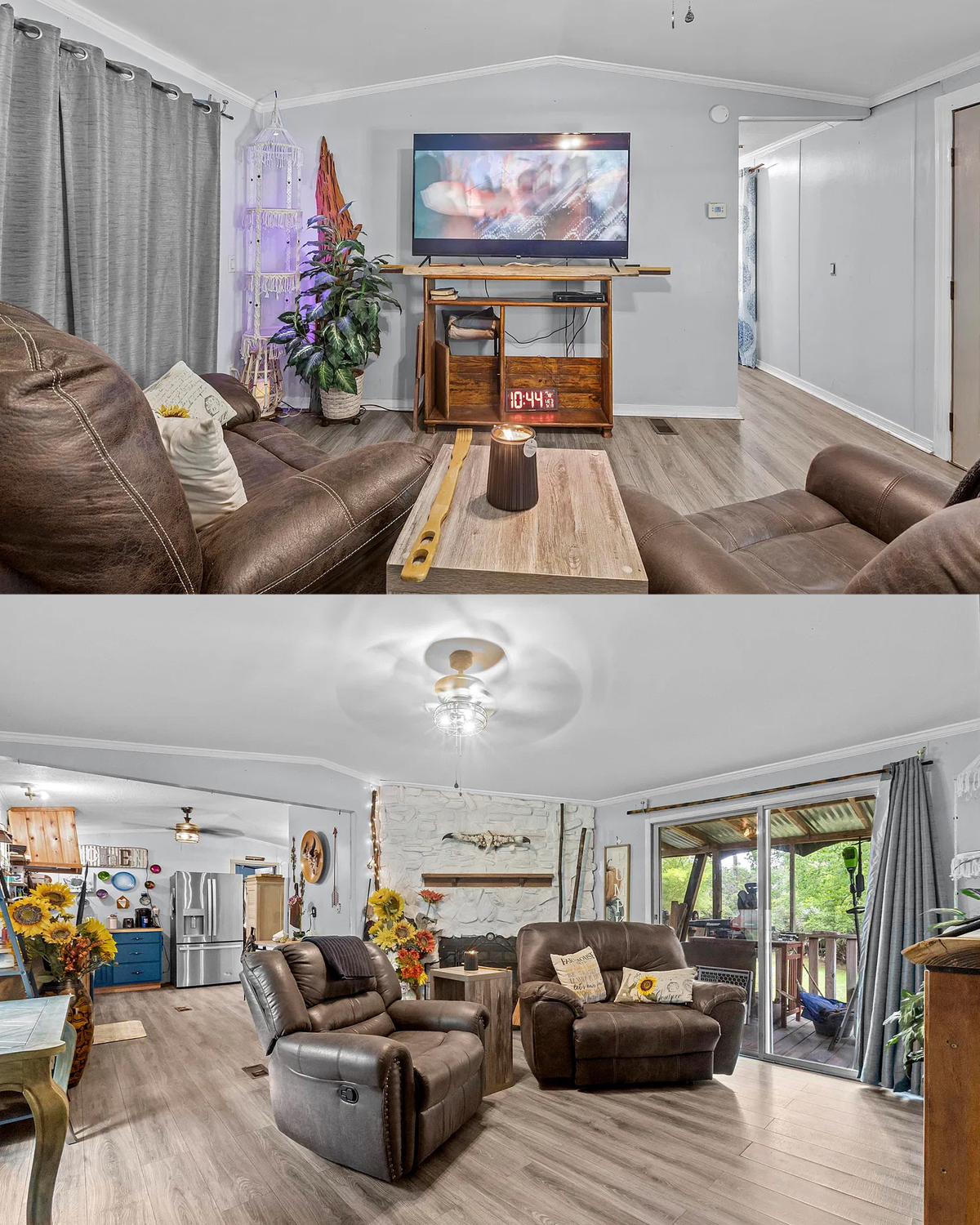
The living room has a key job. It offers a place to rest, watch a show, talk with friends, and enjoy time at home. In a narrow plan, good furniture placement helps the room feel easy to use.
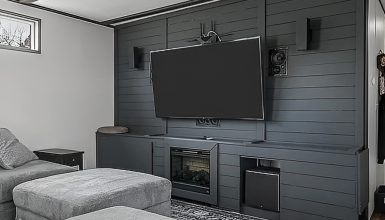
Start with the largest item. Place the sofa or recliners so people can see the TV and still talk to each other. If the room has a sliding glass door, keep a clear path to it. That lets daylight reach the room and makes it easy to step outside.
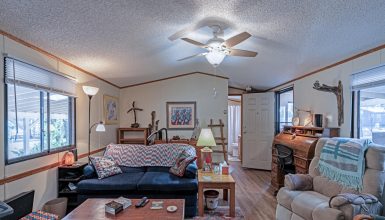
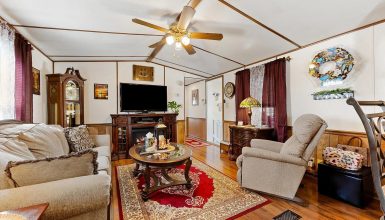
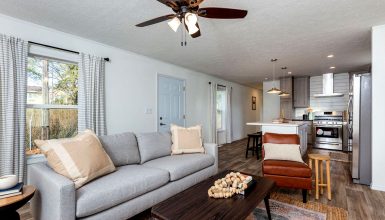
The living room here uses brown leather seating. This adds a warm, rich look against pale walls and gray floors. If you like leather, soften it with fabric pillows and a throw. Cream, blue, rust, or soft green can work well. If your seats already feel large, use slim side tables instead of bulky end tables.
A coffee table can help anchor the seating area. Choose one that leaves room to walk around it. A light wood top can warm a room with gray floors. A round table can make it easier to move through tight spaces. Add a tray to keep remotes, coasters, and small items in one place.
A rug can define the living room without adding a wall. Pick a size that fits under the front legs of the seating. A quiet pattern can hide small marks. A rug in cream, gray, or a faded blue can link the living room to the kitchen.
Cues to use
- Face seats toward the TV and toward each other.
- Keep a clear path to doors and windows.
- Add soft pillows to balance leather or other firm seats.
- Choose a coffee table that leaves room to walk.
- Use a rug to mark the seating area.
3. Use color to connect rooms
Color can help a small home feel like one whole space. It does not mean every room must match. Instead, repeat a few colors in small ways.
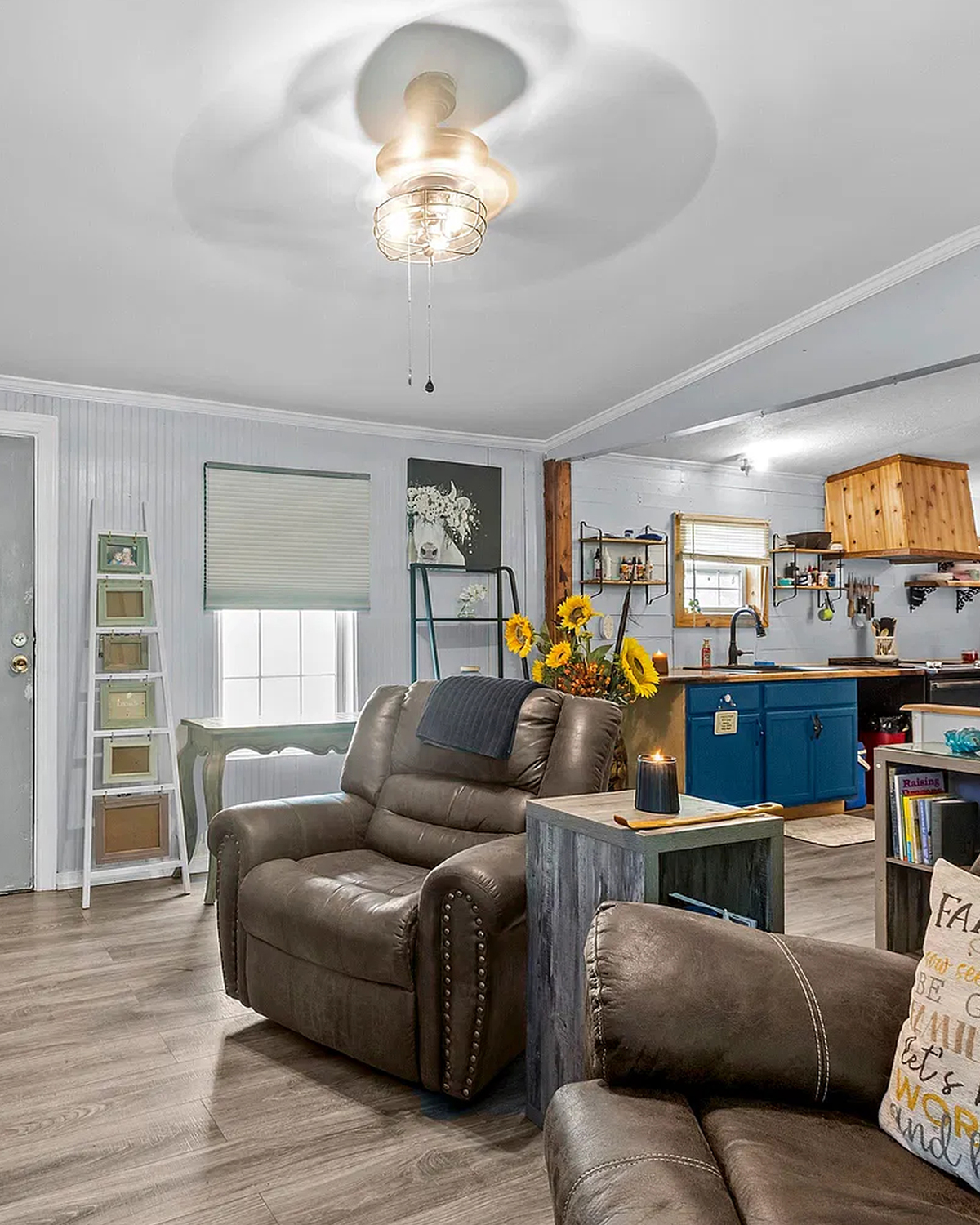
The blue lower cabinets give the kitchen a bold touch. You can echo that blue in a living room pillow, a small vase, or a framed print. A few repeated accents help the rooms feel linked. Keep the main surfaces calm so the color has room to shine.
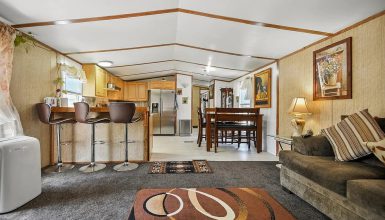
White walls can make a narrow home feel brighter. If bright white feels too stark, try a soft warm white. Cream and pale gray can also work well. Use the same wall color in the living room and kitchen to create a smooth view from one end of the home to the other.
Wood tones bring warmth. In this home, wood cabinets and trim sit beside blue cabinets and gray flooring. That mix feels welcoming because each finish adds a different kind of warmth. If you use several wood tones, keep them close in color or repeat one tone in more than one room.
You can also bring in color through flowers and plants. The sunflowers and other bright blooms in the kitchen add a lively note. Fresh flowers can lift a room, while a good faux bouquet offers color with little care. Green leaves look fresh beside blue cabinets, white walls, and warm wood.
Cues to use
- Repeat one accent color in more than one room.
- Use a shared wall color to link open spaces.
- Mix blue, wood, gray, and white with care.
- Add bright color through flowers, art, or pillows.
- Keep large surfaces calm if you use bold accents.
4. Keep the kitchen useful and cheerful
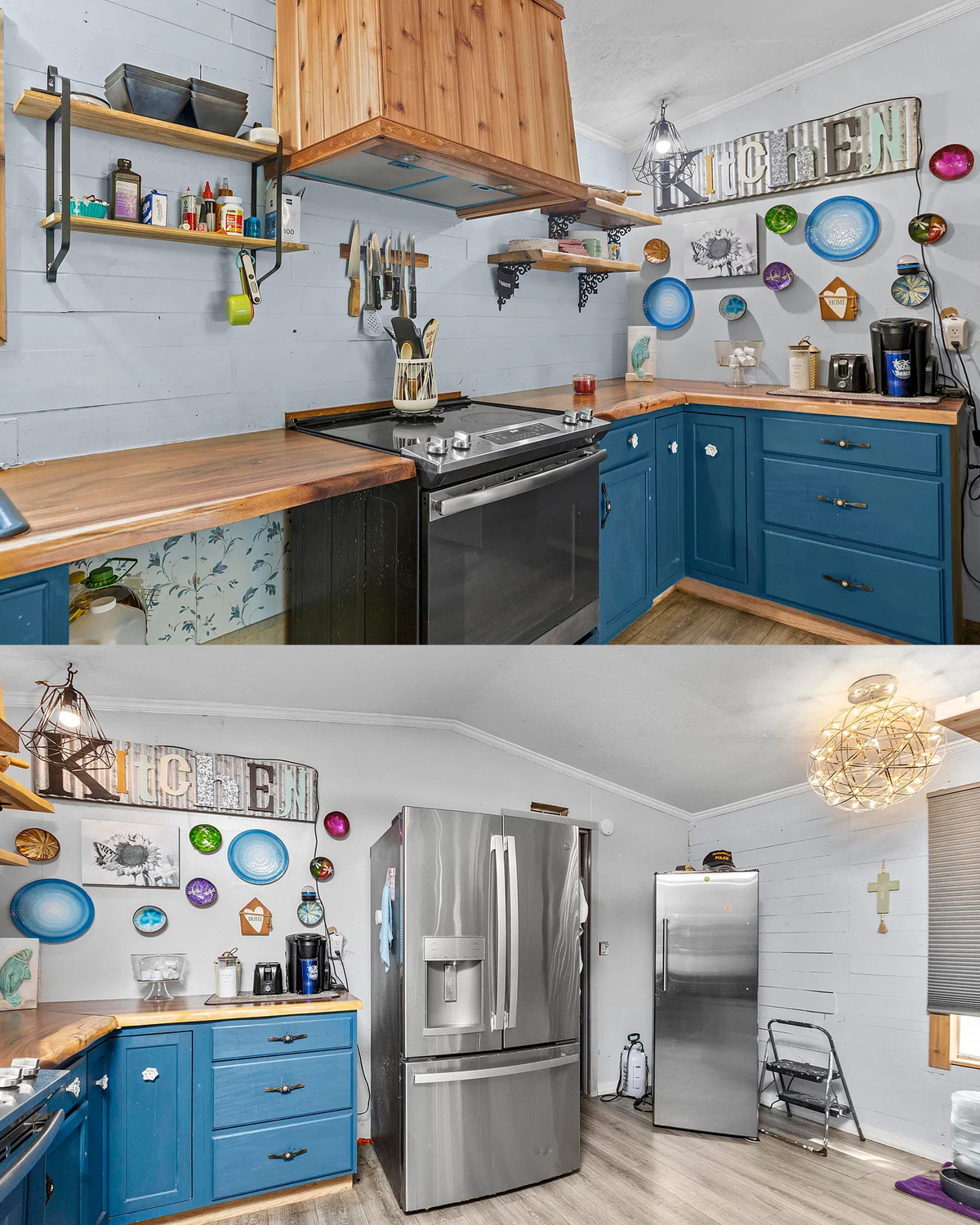
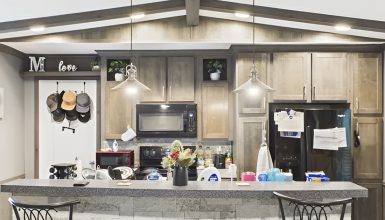
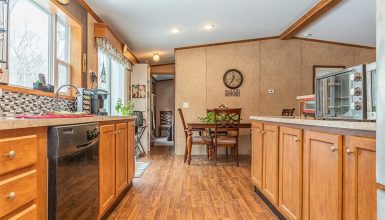
A long kitchen can feel bright and roomy when you keep its work area clear. This kitchen uses blue lower cabinets, pale upper cabinets, wood tones, and open views into the next room. The mix gives it character while keeping the main surfaces light.
Start by grouping items by task. Keep cooking tools near the stove. Store mugs and glasses close to the sink or coffee maker. Place daily dishes in a cabinet you can reach with ease. This small step can cut down on clutter and save time.
Use the counter for a few items you love and use often. A kettle, fruit bowl, or vase of flowers can add charm. Too many small items can make the room feel crowded. Store extra pieces in a cabinet or basket.
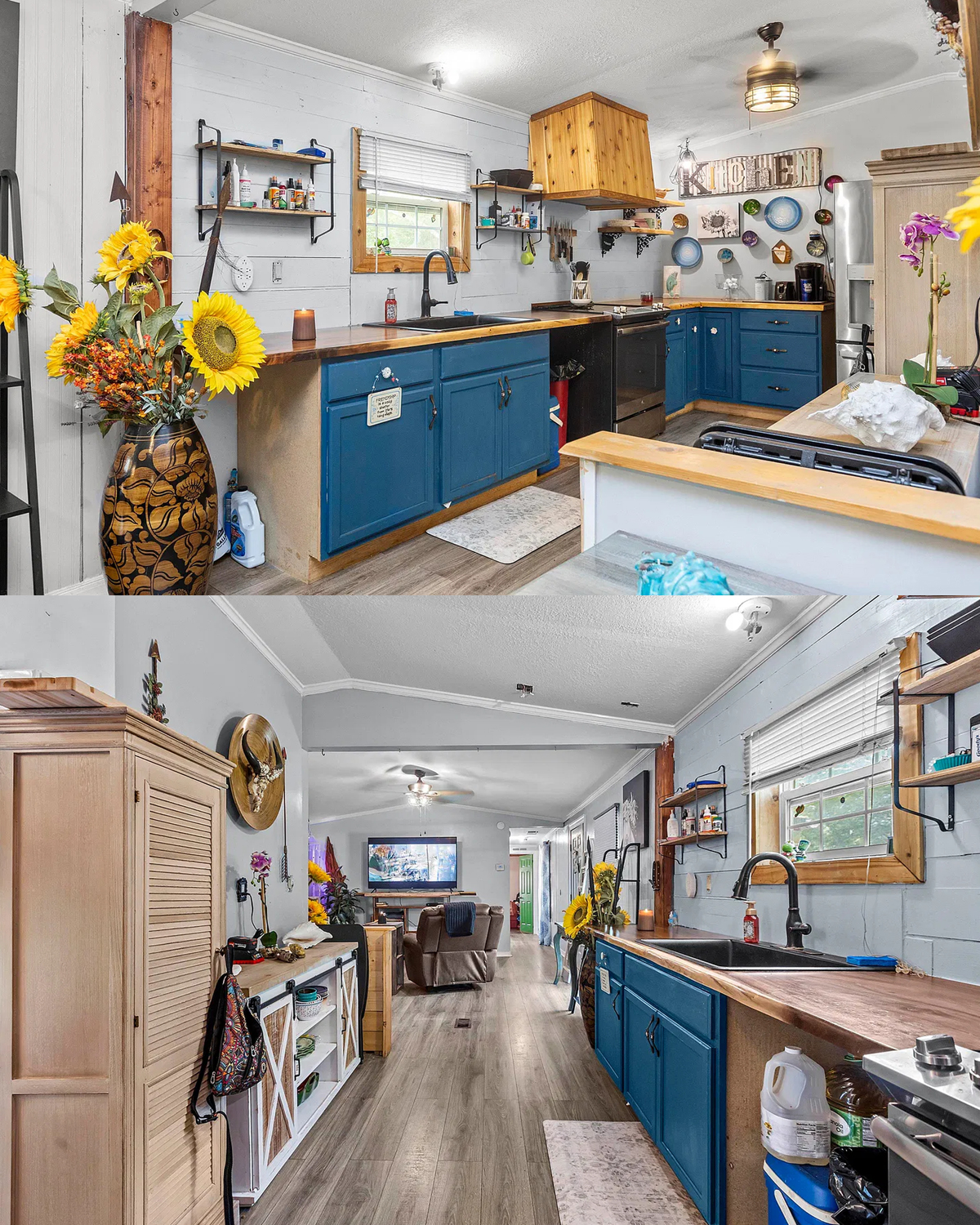
Open shelves can display a few useful objects. They work best when you leave space between items. Add bowls, cookbooks, or a small plant. Keep the colors simple so the shelf looks neat. If dust worries you, use closed cabinets for dishes and display only a few pieces.
The blue cabinets make a strong statement. If you want a similar look, try painting only the lower cabinets. Keep the upper cabinets light to help the room feel open. Before painting, check that the cabinet surface can take paint. Clean it well and use a primer made for that material.
A galley kitchen can feel easier to move through when you limit counter clutter. Use a slim cart only if you have room to pass it safely. A narrow wall rail or hooks can hold a few tools without taking up counter space.
Cues to use
- Store daily items near the place where you use them.
- Keep counters clear except for useful or loved pieces.
- Style open shelves with a few simple items.
- Pair bold lower cabinets with lighter upper cabinets.
- Choose storage that does not block the walkway.
5. Make a dining spot without crowding the room
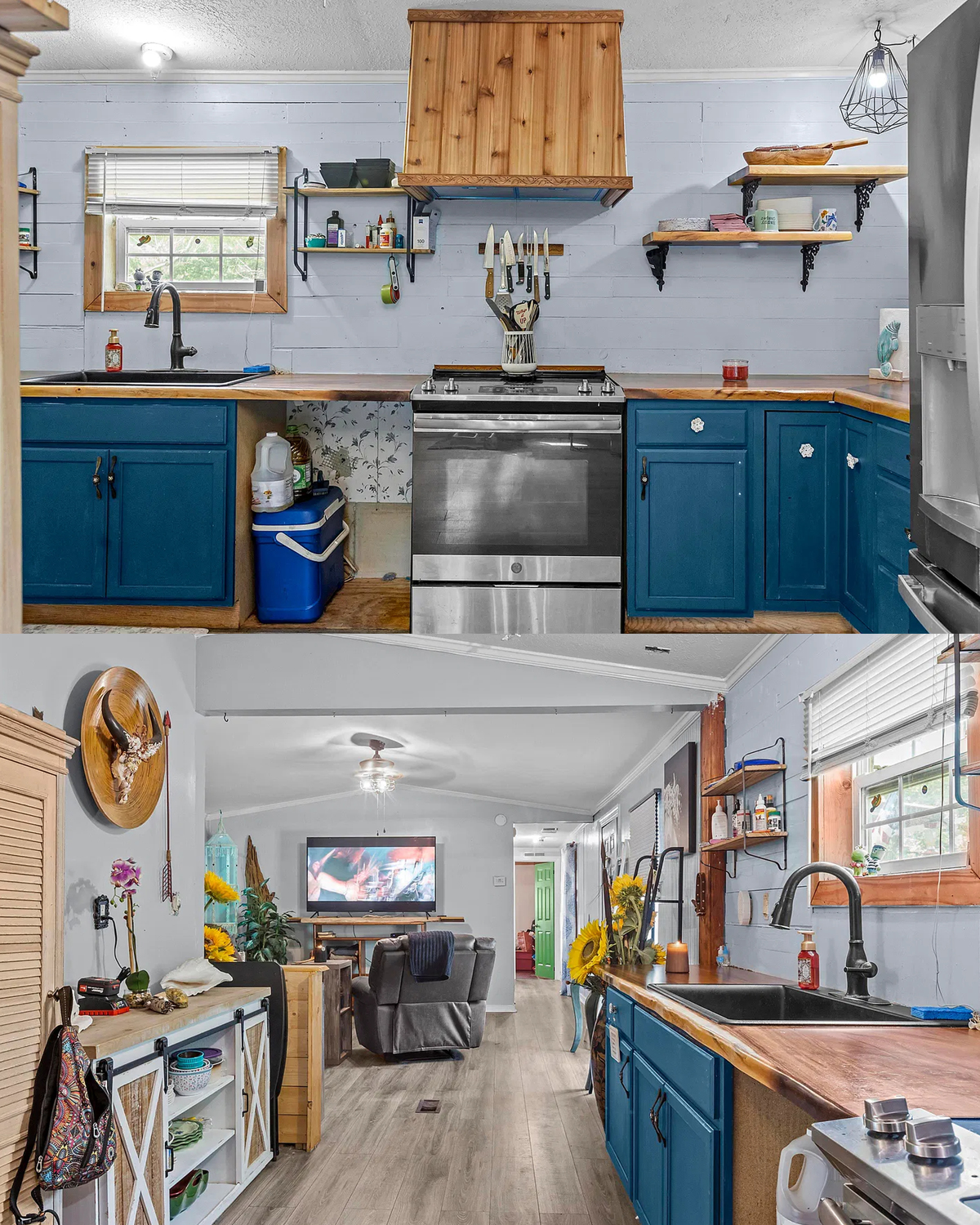
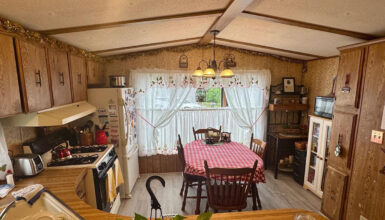
In a single-wide home, dining may happen in the kitchen or just beyond it. A small table can create a clear place to eat without taking over the room. Look for a table with a narrow top or a drop-leaf design. You can open it for guests and fold it down when you need more space.
If the kitchen has a counter or peninsula, stools can offer a quick dining spot. Choose stools that tuck under the counter. This keeps the floor clear when no one is sitting there.
A wall can also hold a small table or bench. A bench can save space because it can slide under the table. Add a cushion for comfort. If the table sits near a window, keep the view open. A short vase or a small plant adds a nice touch without blocking the light.
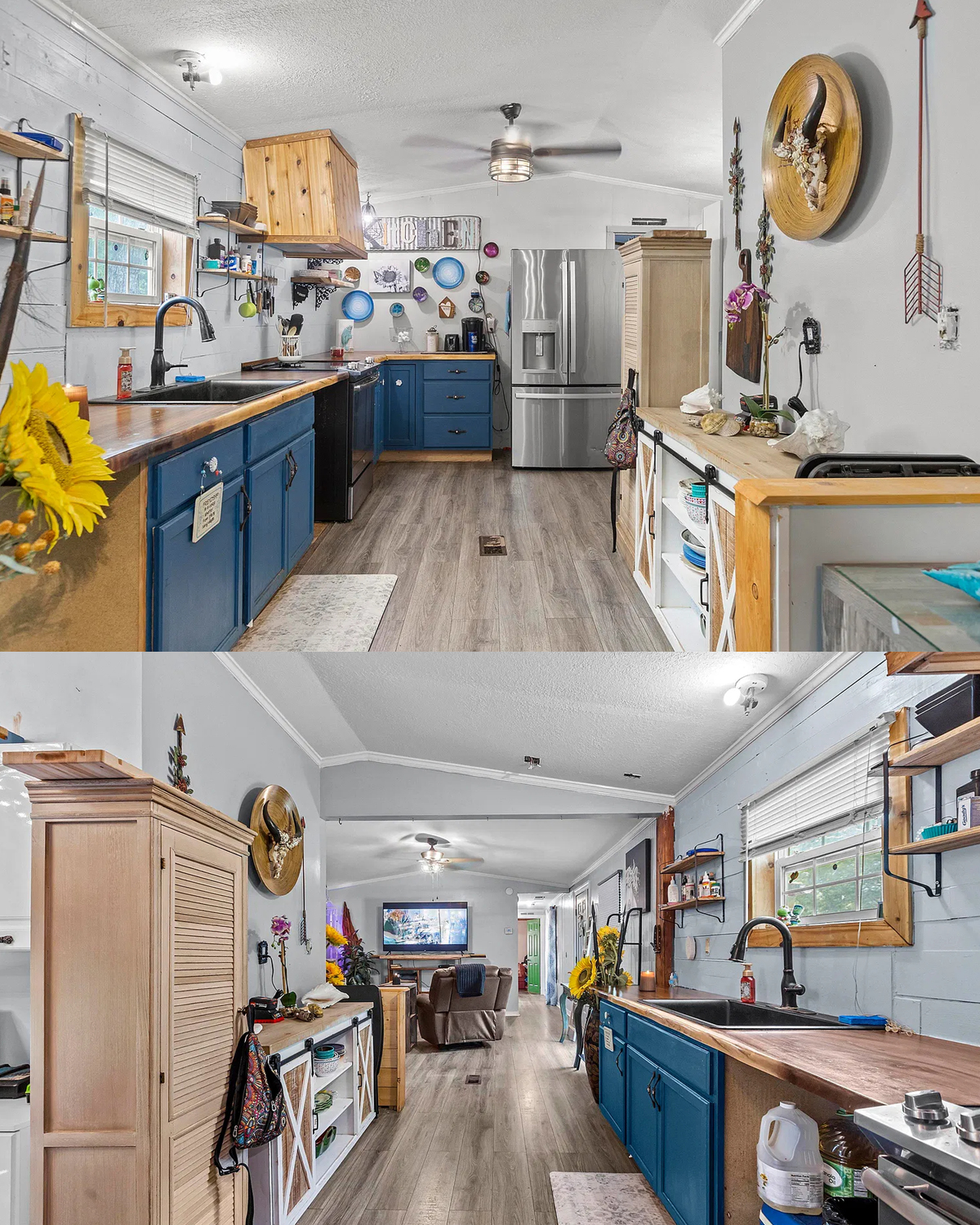
A simple centerpiece can make the dining spot feel cared for. Use a bowl of fruit, a small vase, or a candle holder. Keep it low so people can see one another across the table.
Cues to use
- Pick a narrow, folding, or drop-leaf table.
- Choose stools that tuck away.
- Try a bench that slides under the table.
- Keep table decor low and simple.
- Place the dining spot near the kitchen for easy use.
6. Add soft layers to the bedroom
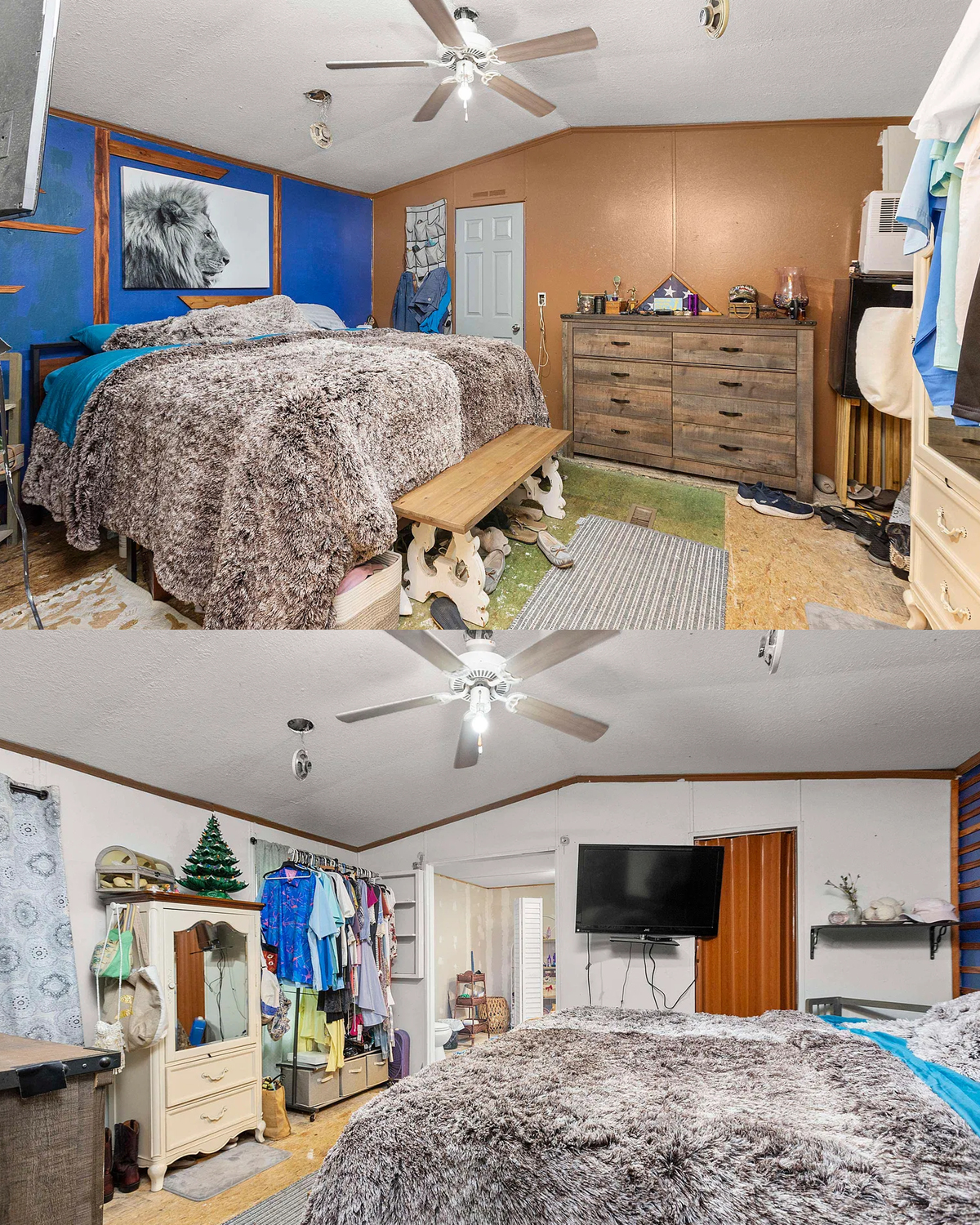
A bedroom should feel restful. Soft bedding, quiet colors, and a clear floor can make it feel more peaceful. The bedroom shown here has colorful walls and bold decor. If you enjoy that lively look, keep the bedding simple. If you want a calmer mood, use a soft base color and bring in bright accents through art or pillows.
Start with the bed. Make it the main focus, then arrange other items around it. Leave enough room to walk on each side you use. If space is tight, use a slim bedside table or a wall shelf instead of a wide cabinet.
Choose bedding that suits the season. A light cotton quilt works well in warm weather. Add a soft blanket at the foot of the bed for cooler nights. A few pillows can add color, but too many may make the bed hard to use each day.
Use the wall above the bed for art or a small shelf. Keep the display secure and light. A single framed print can feel more restful than a large group of busy pieces. If you like a bright wall color, use it as a feature behind the bed and keep other walls pale.
Storage matters in a compact bedroom. Use baskets for blankets or laundry. Put small items in a drawer or tray. If the room has a closet, use matching hangers and shelf bins to make the space work harder. Keep items you use every day near the front.
Cues to use
- Make the bed the main focus of the room.
- Use slim tables or wall shelves in tight spots.
- Keep bedding simple if the walls have bold colors.
- Add a basket for blankets or laundry.
- Secure wall art and shelves well.
7. Refresh the bathroom with light and order
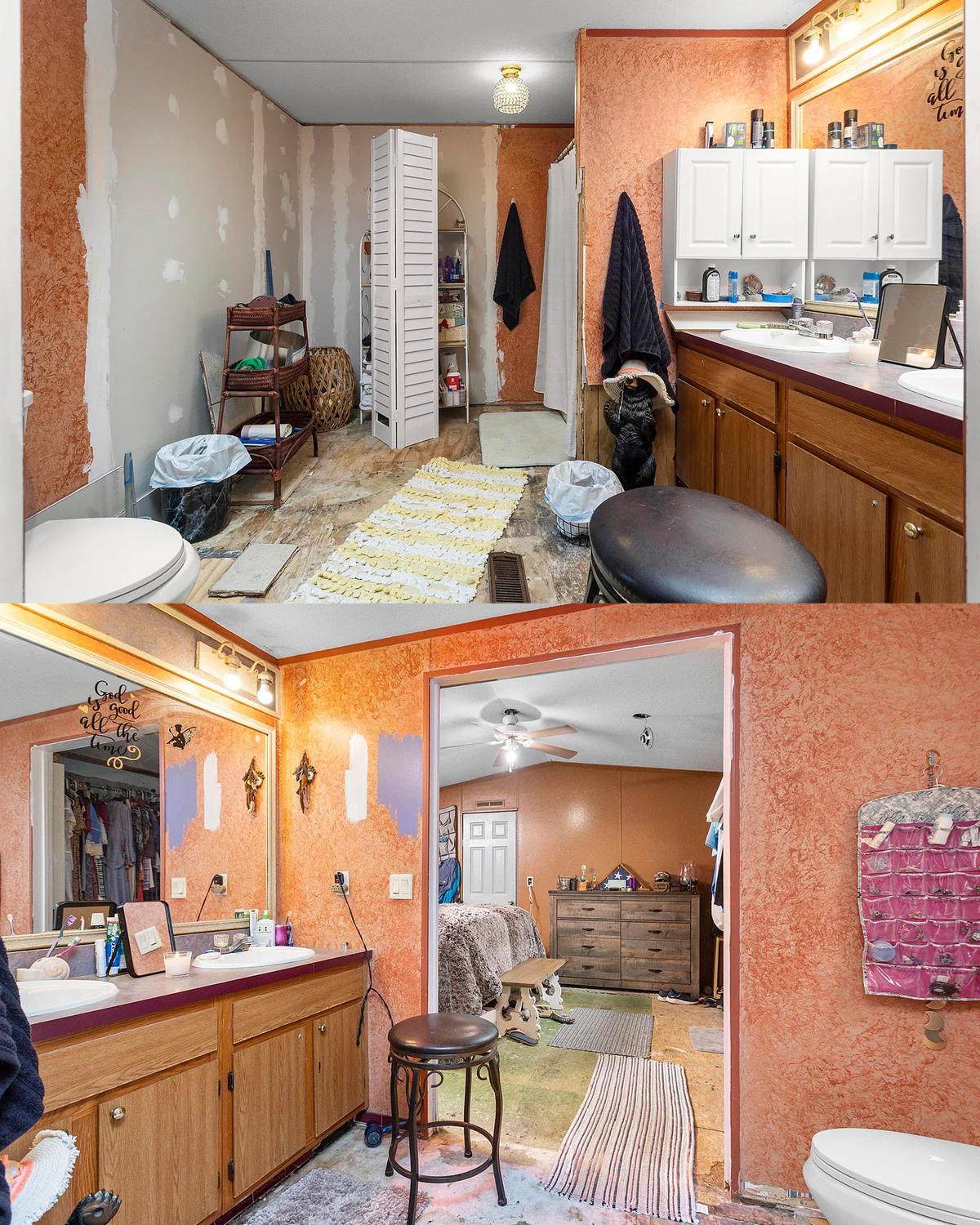
A small bathroom can feel more open when the counter stays clear. The bathroom shown here has a warm peach tone and a vanity with storage. You can build on that look with clean towels, a simple mirror, and a small touch of color.
Keep daily items in a tray or cup. Store extra soap, skin care, and cleaning tools in a cabinet or basket. A clear counter makes the room easier to clean and gives it a calmer look.
Use a light shower curtain to add a soft feel. A pale color can brighten the room. If you prefer a pattern, choose one with a small repeat. Large, busy patterns may make a compact bath feel tight.
Good lighting helps with daily tasks. Use bright, even light near the mirror. If you can, add a small lamp or night-light for a softer glow in the evening. Keep moisture and electrical safety in mind when adding any light or plug-in item.
A bath mat adds comfort and color. Choose one that fits the floor without blocking the door. Wash it often so it stays fresh.
Cues to use
- Keep the vanity top clear.
- Store small items in a tray or basket.
- Choose a light shower curtain.
- Use even light at the mirror.
- Pick a bath mat that does not block the door.
8. Let the entry and porch set the tone
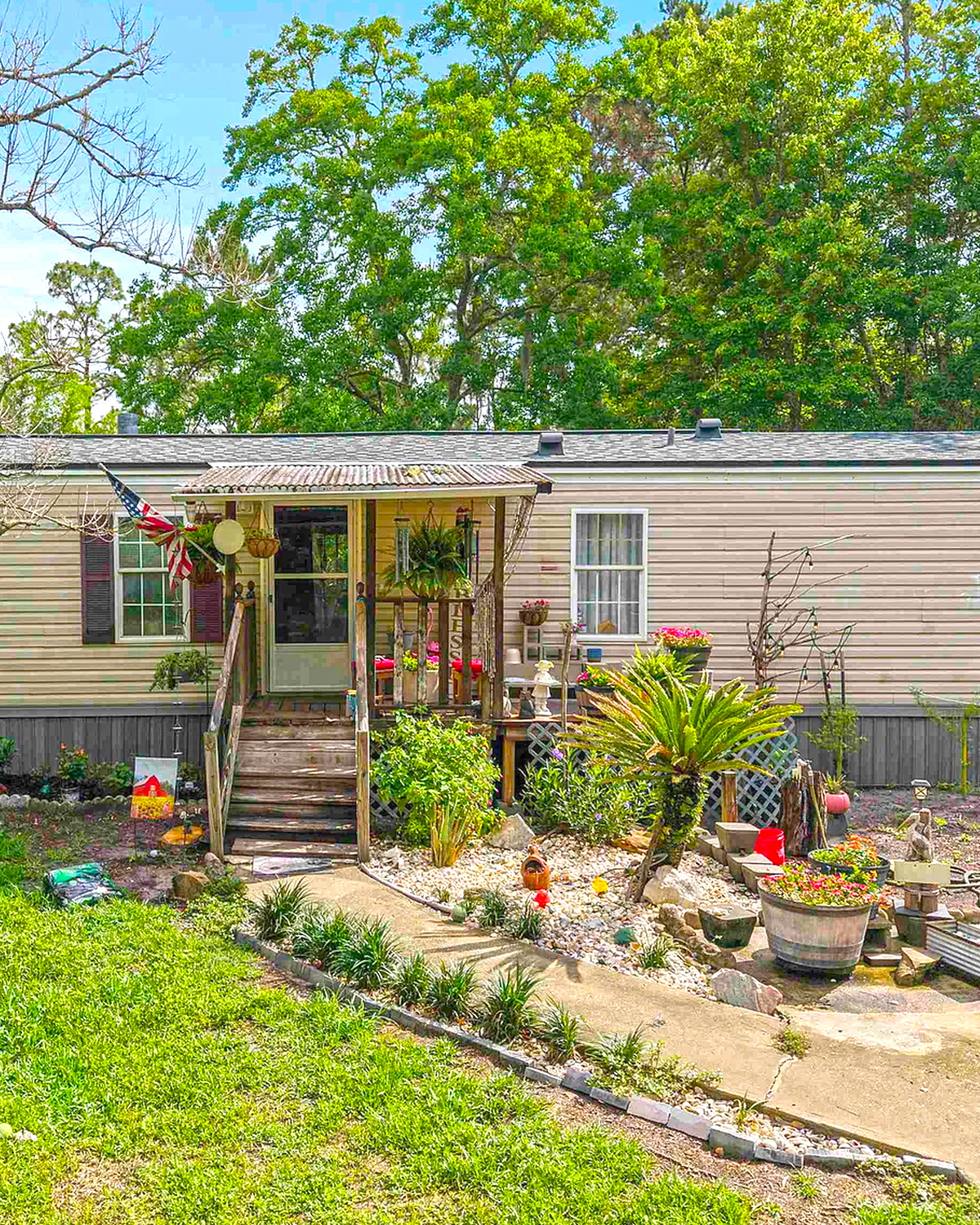
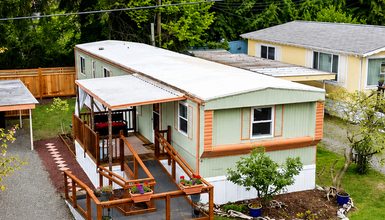
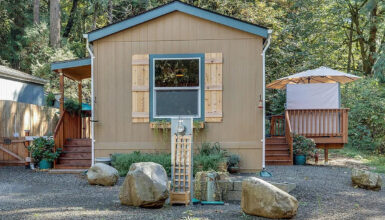
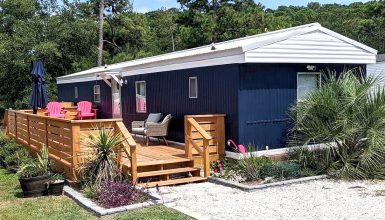
The outside of a home shapes the first impression. The images show a modest porch, garden beds, and plants around the home. You can make this area feel welcoming with a clean path, a few pots, and a place to sit.
Begin with the entry path. Sweep it and remove items that make it hard to walk. Add a doormat that fits the door. If you have room, place a small bench or chair on the porch. Keep the area around the door clear so it opens with ease.
Plants bring life and color. Use a few pots of different heights, but leave room to move. Grouping pots can look neat. Choose plants that suit the light and the weather where you live. A small herb pot near the kitchen door can be both pretty and useful.

Garden decor can add charm, but it helps to edit it now and then. Keep the pieces you love. Move or store items that make the path feel crowded. A few strong details can have more impact than many small ones.
If you want to add outdoor lights, choose fixtures made for outdoor use. Place them near the entry or along the path. Good light can make it easier to come home at night and help guests find the door.
Cues to use
- Keep the path and door area clear.
- Add a mat and one small seat if space allows.
- Group plants in a few pots of different heights.
- Choose plants that suit the light and climate.
- Use outdoor-rated lights near steps and doors.
9. Use lighting to change the mood
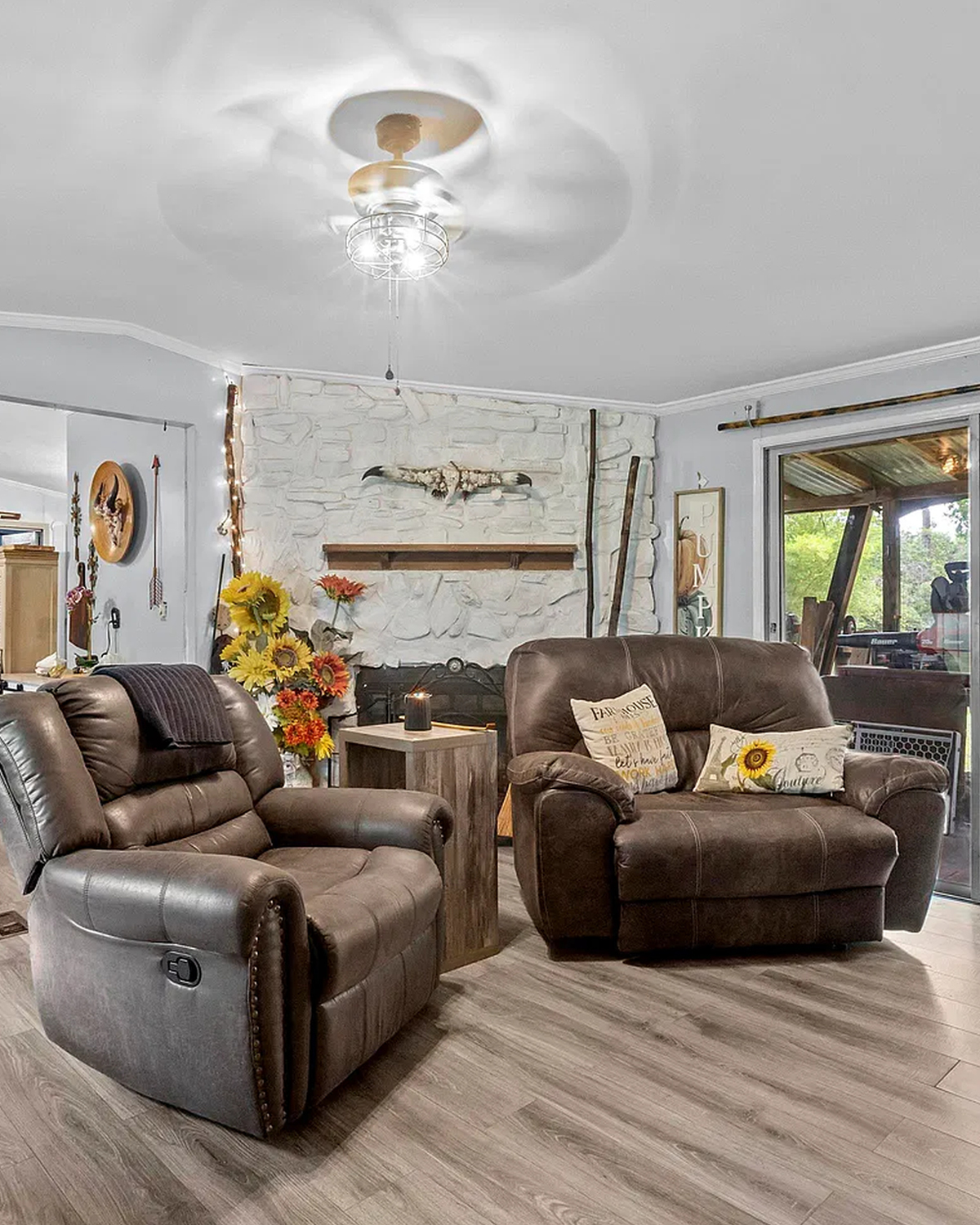
Light can help a room feel larger and more inviting. During the day, open curtains and let in as much daylight as you can. Choose curtains that frame the window without covering too much glass.
At night, use more than one light source. A ceiling light can brighten the whole room. A table lamp can make a reading spot feel cozy. A small lamp on a console can soften a long view through the home.
A ceiling fan with a light can serve two jobs in one. Make sure it suits the size of the room and does not hang too low. If you replace a fixture, check the wiring and mounting first. Ask a qualified electrician if you are unsure.
Warm bulbs can make a home feel more relaxed. Use bulbs with a similar color tone in connected rooms. That small detail helps the whole home feel steady and calm.
Cues to use
- Open window coverings during the day.
- Use both ceiling lights and lamps.
- Add a reading lamp near a chair.
- Pick bulbs with a similar warm tone.
- Check ceiling height and fixture support before replacing a light.
10. Make storage part of the decor
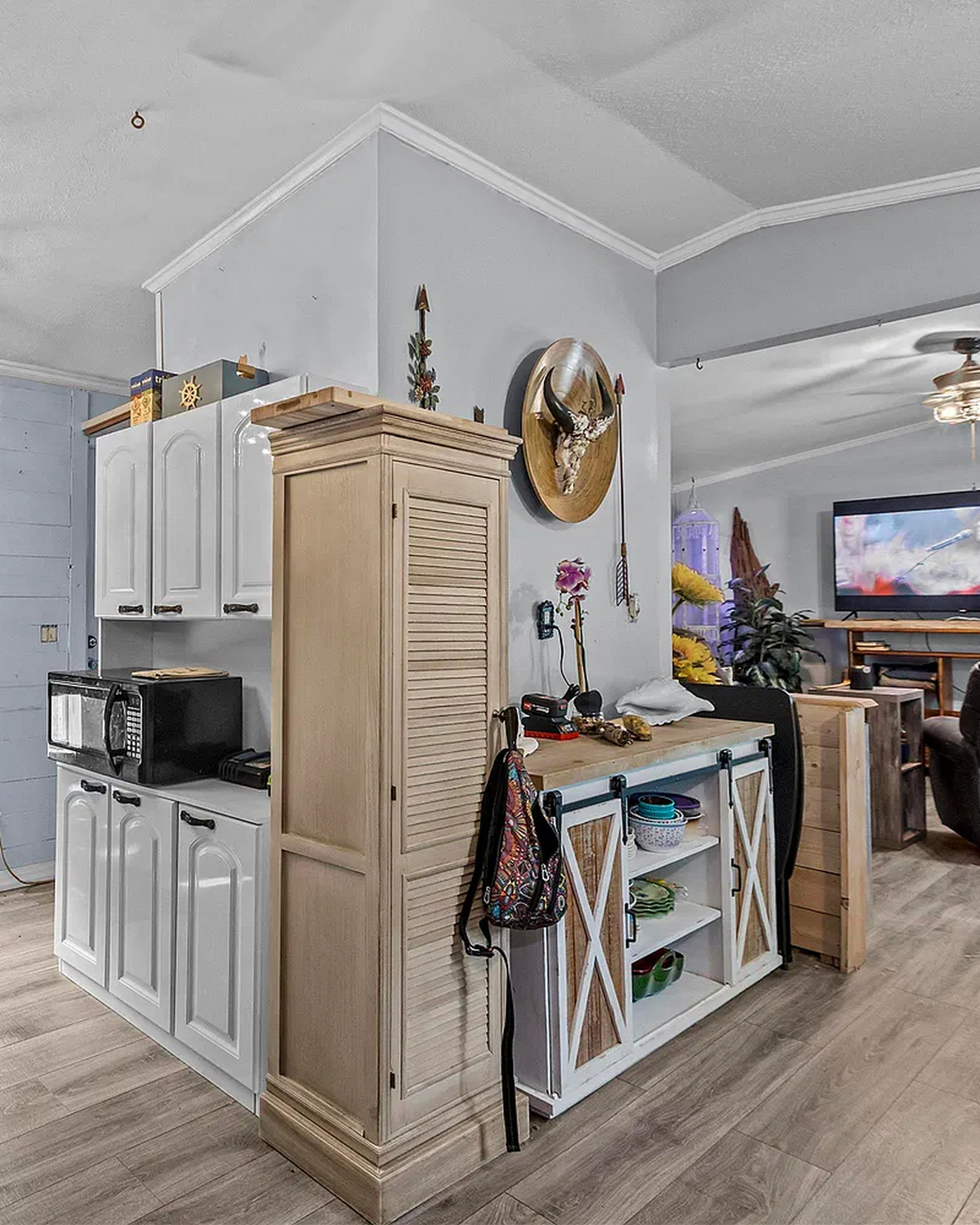
Storage can look good and work well at the same time. Woven baskets, simple bins, and small cabinets can hide daily clutter. Choose a few types and repeat them. Too many colors and shapes can make a small room feel busy.
A basket beside the sofa can hold throws. A small tray can keep remotes together. Hooks near the entry can hold bags or jackets. A low cabinet can store games and books. These pieces give everyday items a clear home.
Use vertical space when the floor is tight. A wall shelf can hold books or art. Hooks can hold hats and keys. Just make sure wall pieces sit on a secure support. Keep heavy items low, where they are easy to reach.
If a room feels cluttered, remove a few things before you buy more storage. Sometimes the best fix is to keep fewer items on view. Save the pieces that matter most and rotate seasonal decor when you want a fresh look.
Cues to use
- Use baskets to hide blankets and small items.
- Give keys, remotes, and bags a set place.
- Use wall hooks and shelves to free floor space.
- Secure shelves and heavy wall items well.
- Clear unused decor before adding more storage.
11. Finish with personal details
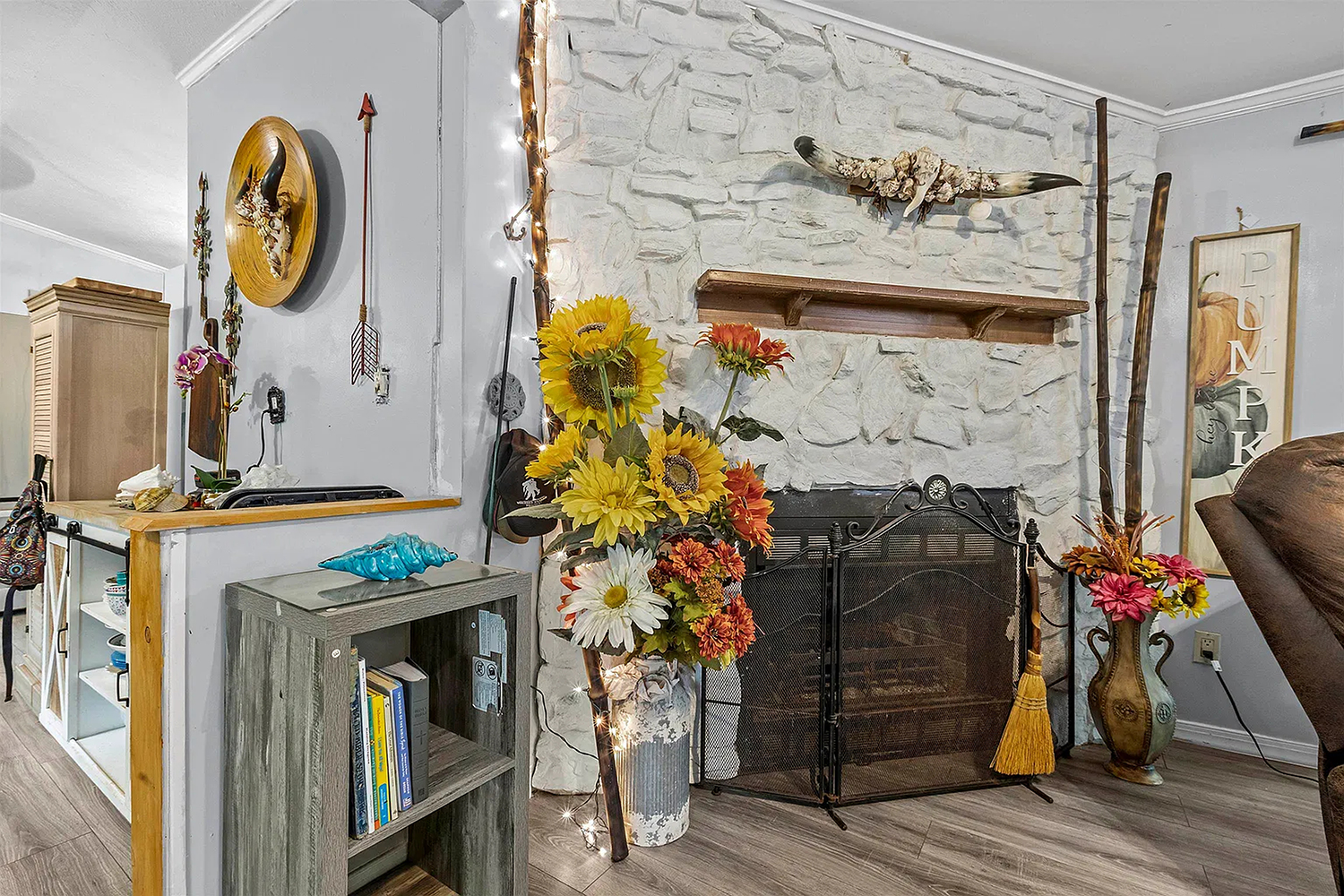
A home feels complete when it tells your story. Family photos, art, flowers, books, and favorite finds can add warmth. You do not need to fill every wall or shelf. A few well-chosen pieces can say more than a crowded display.
The sunflowers in the kitchen add a cheerful note. Flowers can bring color to a plain counter or dining table. Try a glass jar or a simple pitcher as a vase. Use flowers with other natural touches, such as a wood bowl or a woven basket.
Artwork can add height and color. Hang it at eye level when you can. In a narrow room, one larger piece may look calmer than several tiny frames. If you prefer a gallery wall, keep a clear line or a shared frame color to hold it together.
Small homes benefit from decor that earns its place. A pretty bowl can hold keys. A stool can serve as a plant stand or extra seat. A basket can store a blanket. These pieces bring style and help with daily tasks.
Cues to use
- Display a few meaningful photos or art pieces.
- Repeat frame colors for a tidy look.
- Use flowers to add a quick burst of color.
- Pick decor that also serves a purpose.
- Leave some shelves and walls open.
Conclusion
A single-wide mobile home can feel bright, warm, and personal when every room has a clear purpose. Start with an easy color plan. Keep walkways open. Use storage that fits the space. Then add soft layers, plants, flowers, and art that you love.
The home shown here pairs blue cabinets with wood, gray floors, warm seating, and cheerful accents. You can use that mix as a guide or choose your own palette. What matters most is how the home feels to you. Make one change at a time, and let each room grow into a space that feels easy to live in.