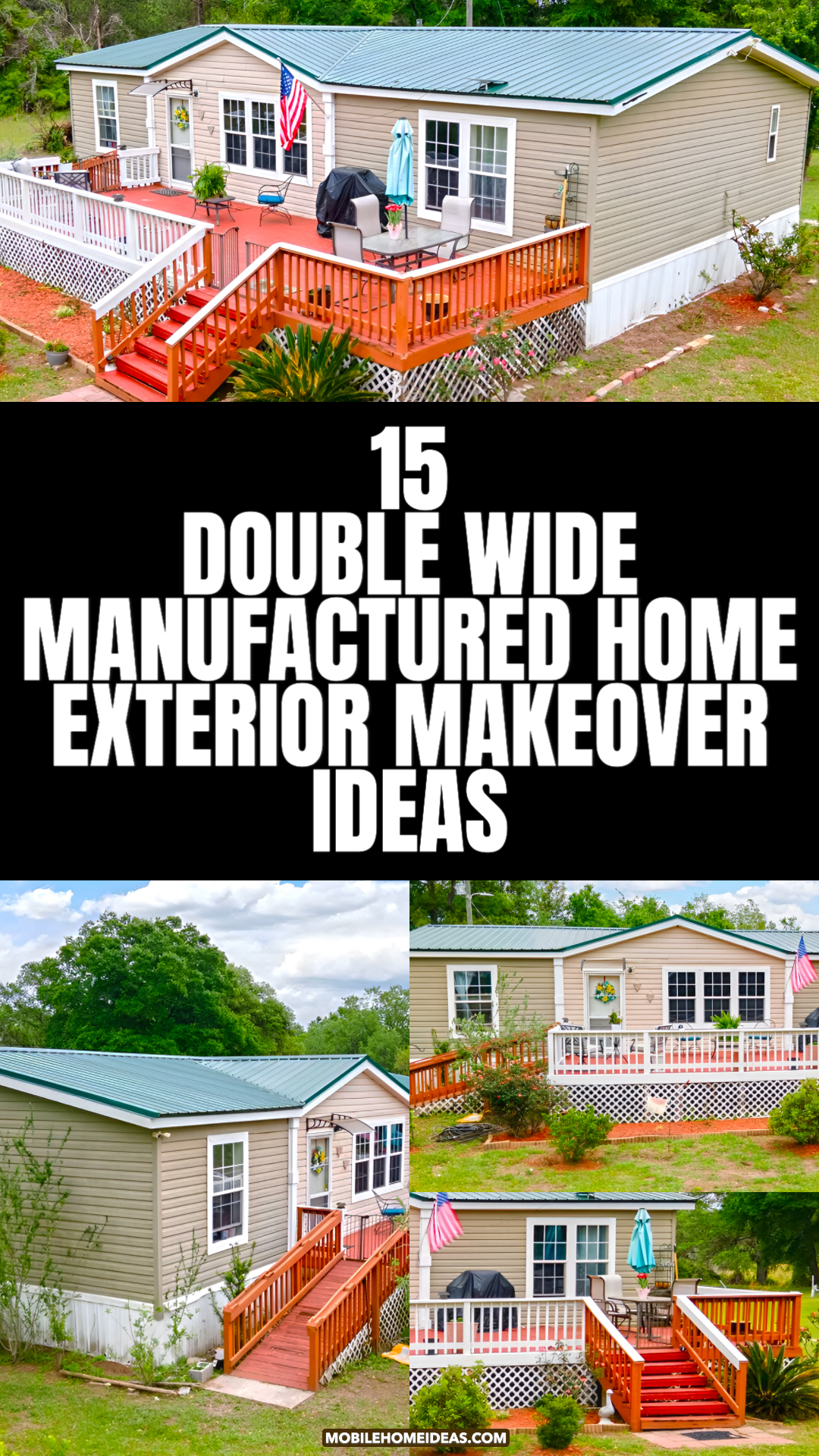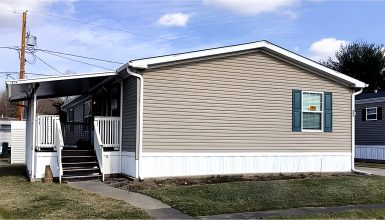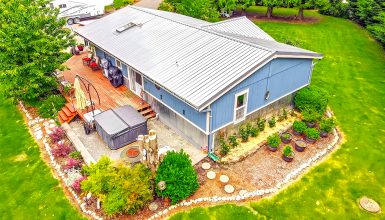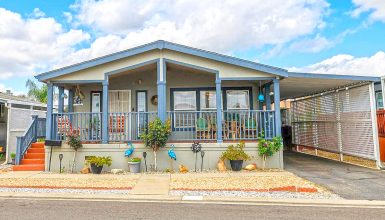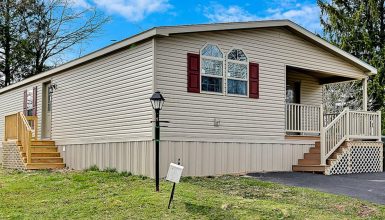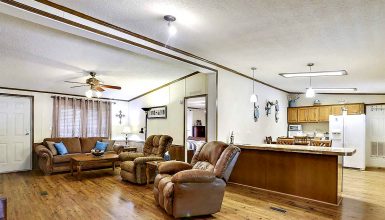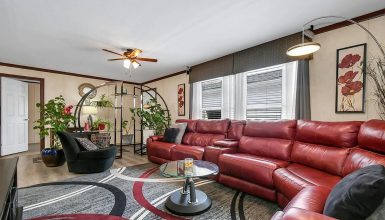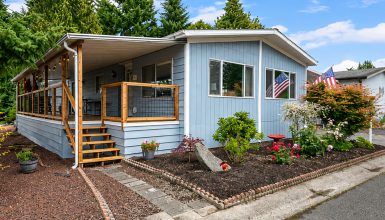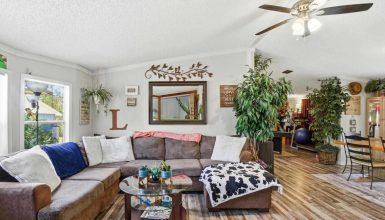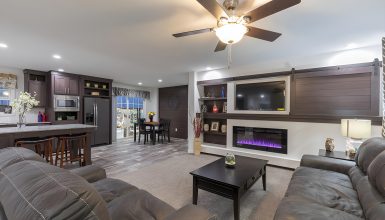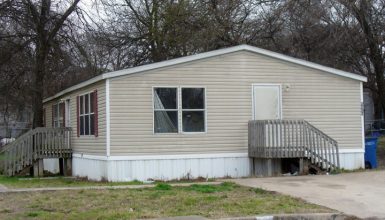
A double wide manufactured home can look just as cozy, polished, and inviting as any site-built home. The secret is not one huge upgrade. It is the smart mix of color, trim, deck space, skirting, steps, plants, and outdoor furniture.
Think of the exterior like a first impression. The siding sets the tone. The roof adds shape. The porch says, “Come sit for a while.” Then the plants, railings, lattice, and small details pull it all together.
Here are double wide manufactured home exterior ideas that can help a simple home feel more custom, more welcoming, and more complete.
1. Add a Large Front Deck for a True “Home” Feel
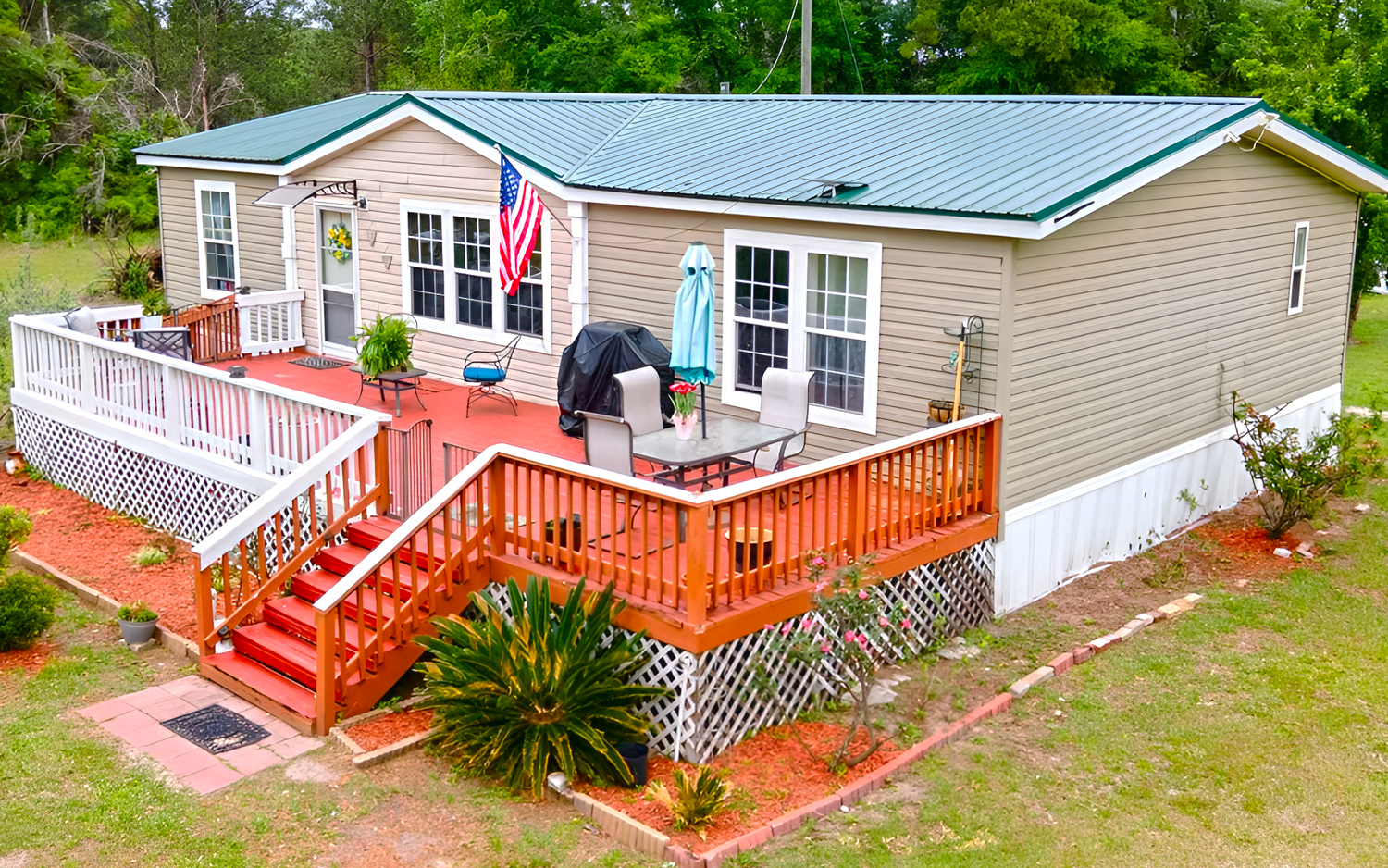
A wide deck can change the whole look of a double wide manufactured home. It gives the front a strong focal point. It also adds outdoor living space, which makes the home feel larger and more useful.
For the best effect, build the deck long enough to connect key areas. It can stretch from the front door to the main windows. This creates a smooth, open look. It also makes the front feel planned, not added on later.
A deck also softens the long shape of a double wide. Many manufactured homes have a broad front. A deck helps break up that width in a warm way. It gives the eye something to enjoy before it reaches the siding.
Design cues to copy:
- Use a wide deck across the front.
- Add space for chairs, plants, and a small table.
- Keep the stairs easy to see from the yard.
- Match the deck style to the home’s trim.
- Use outdoor furniture to make it feel lived-in.
2. Use White Railings for a Clean, Classic Look
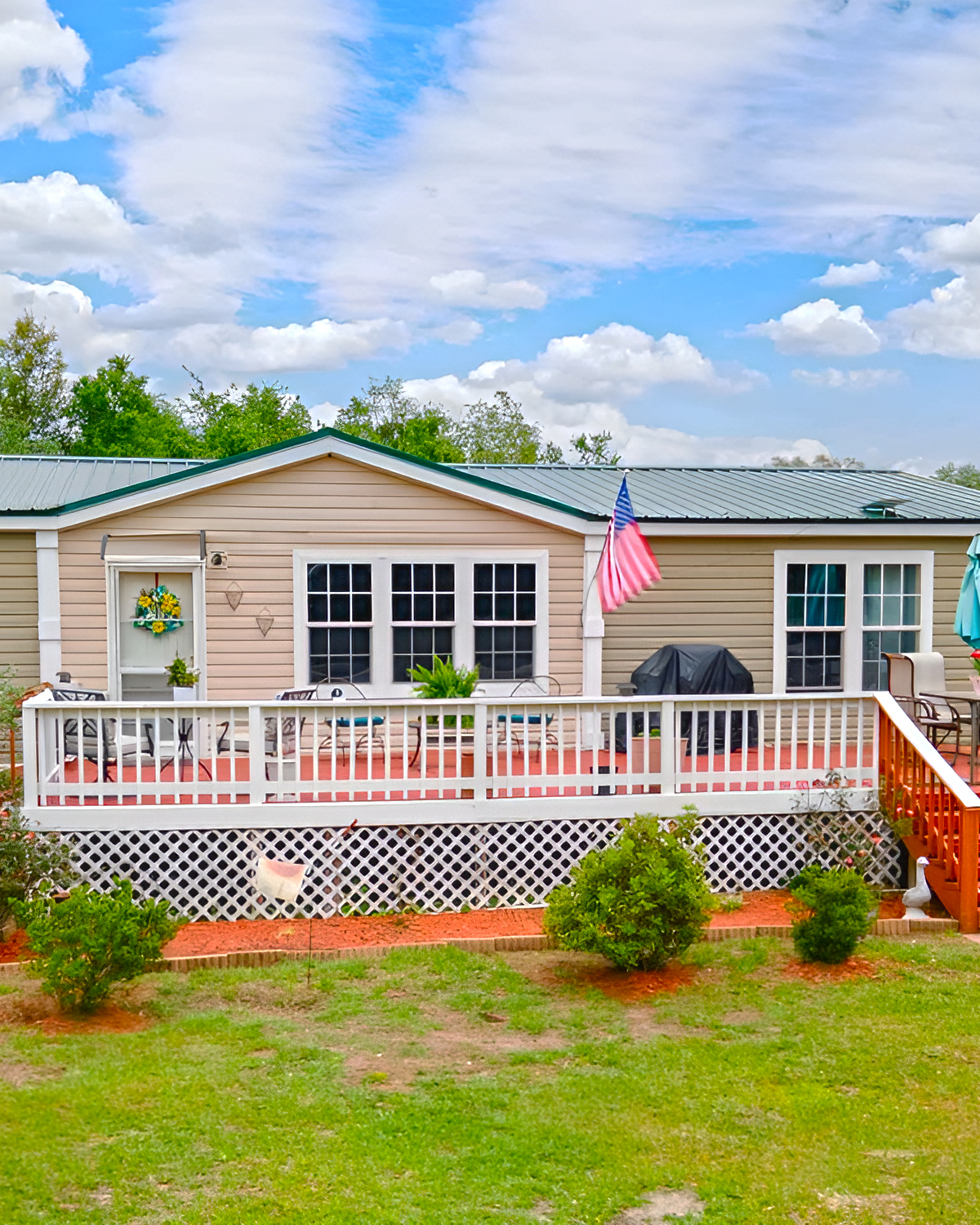
White railings make a deck feel crisp and bright. They also help define the porch area. This works well with beige, tan, gray, blue, or soft green siding.
White railings bring a cottage-like feel to a double wide exterior. They look fresh without feeling too fancy. Plus, they contrast well with warm wood decking or painted steps.
If the home has white window trim, white railings help repeat that color. This makes the exterior feel balanced. It also keeps the design simple, which is key for a clean manufactured home makeover.
Design cues to copy:
- Choose white deck railings for a fresh look.
- Match the railing color to the window trim.
- Keep balusters simple and straight.
- Add white lattice below the deck.
- Use warm deck boards to balance the bright railings.
3. Pair Warm Deck Stain With Soft Siding
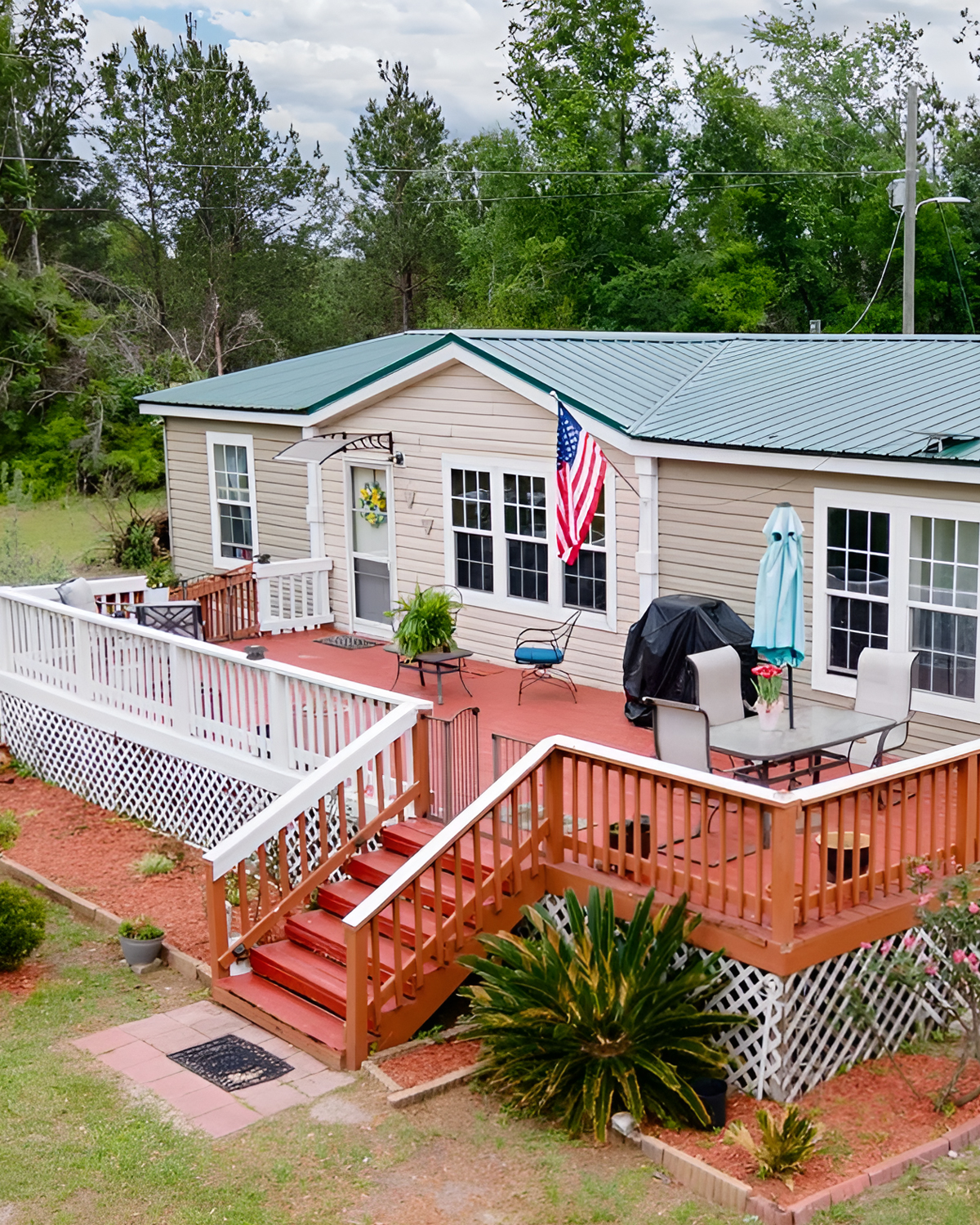
A warm wood-tone deck adds charm right away. It brings life to neutral siding. It also keeps the exterior from feeling flat.
Warm red-brown, cedar, and honey-toned stains work well on large decks. These tones feel friendly and casual. They also look great near green grass and planting beds.
For a polished look, repeat the same wood tone on the stairs and side railings. This helps the deck feel like one full design. Then use white trim or lattice to keep it light.
Design cues to copy:
- Pick a warm stain for the deck floor.
- Use the same tone on the stair rails.
- Pair it with soft beige or tan siding.
- Add white trim for contrast.
- Keep the color palette to three main shades.
4. Add a Metal Roof for Strong Curb Appeal
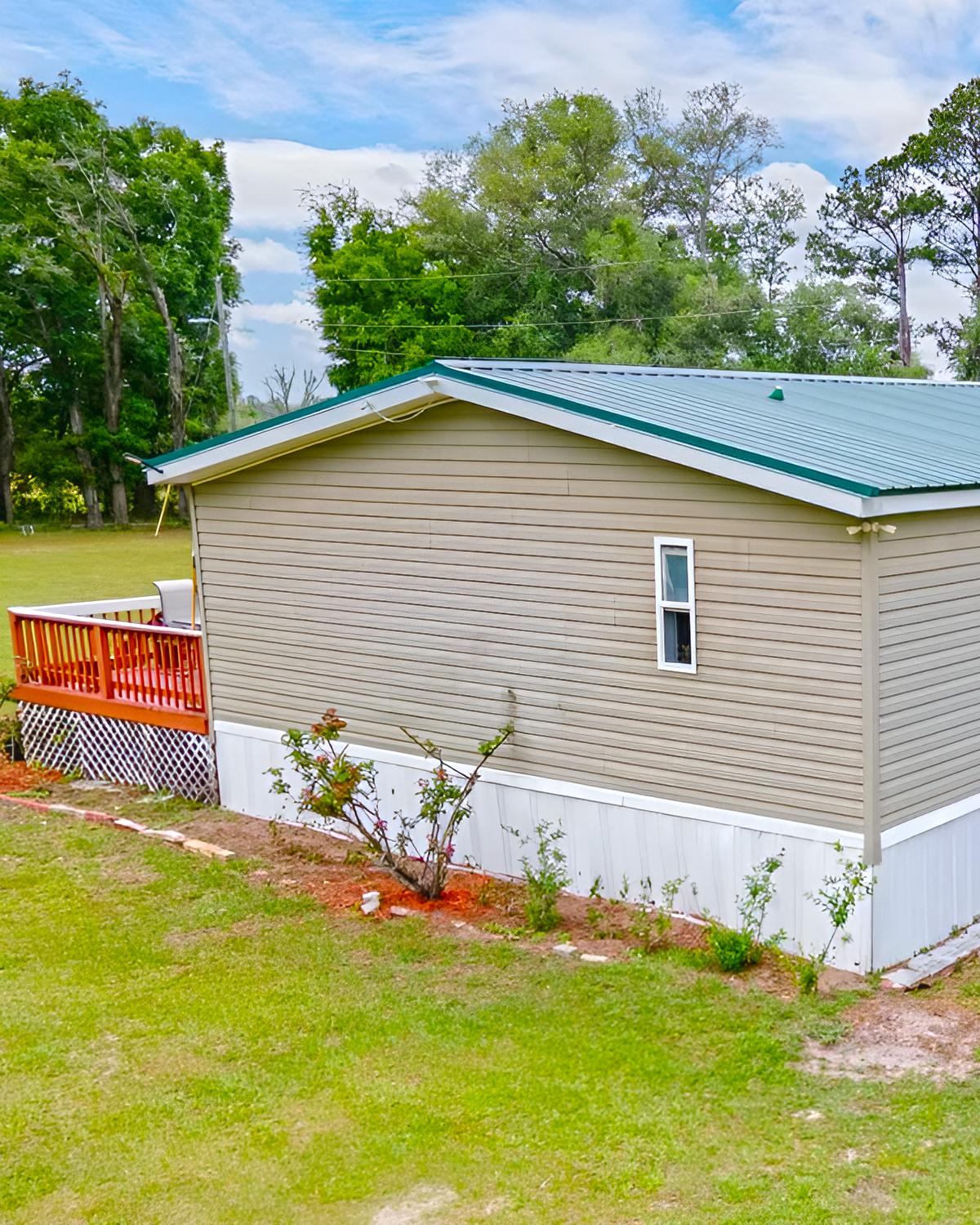
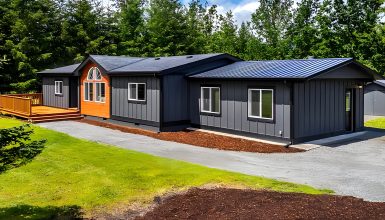
A metal roof gives a double wide manufactured home a neat, sturdy look. It also adds texture. The long lines on the roof can make the home feel more modern and well cared for.
A green metal roof works especially well with tan or cream siding. It feels country, calm, and classic. It also blends nicely with trees and open land.
Metal roofing can make the roofline feel sharper. That helps a manufactured home look more finished. When the roof has a clean edge and matching trim, the whole home feels more pulled together.
Design cues to copy:
- Choose a metal roof with clean ridges.
- Try green, charcoal, black, or deep bronze.
- Match roof trim for a crisp edge.
- Keep siding soft so the roof can shine.
- Use simple gutters and downspouts.
5. Use Skirting to Create a Finished Base
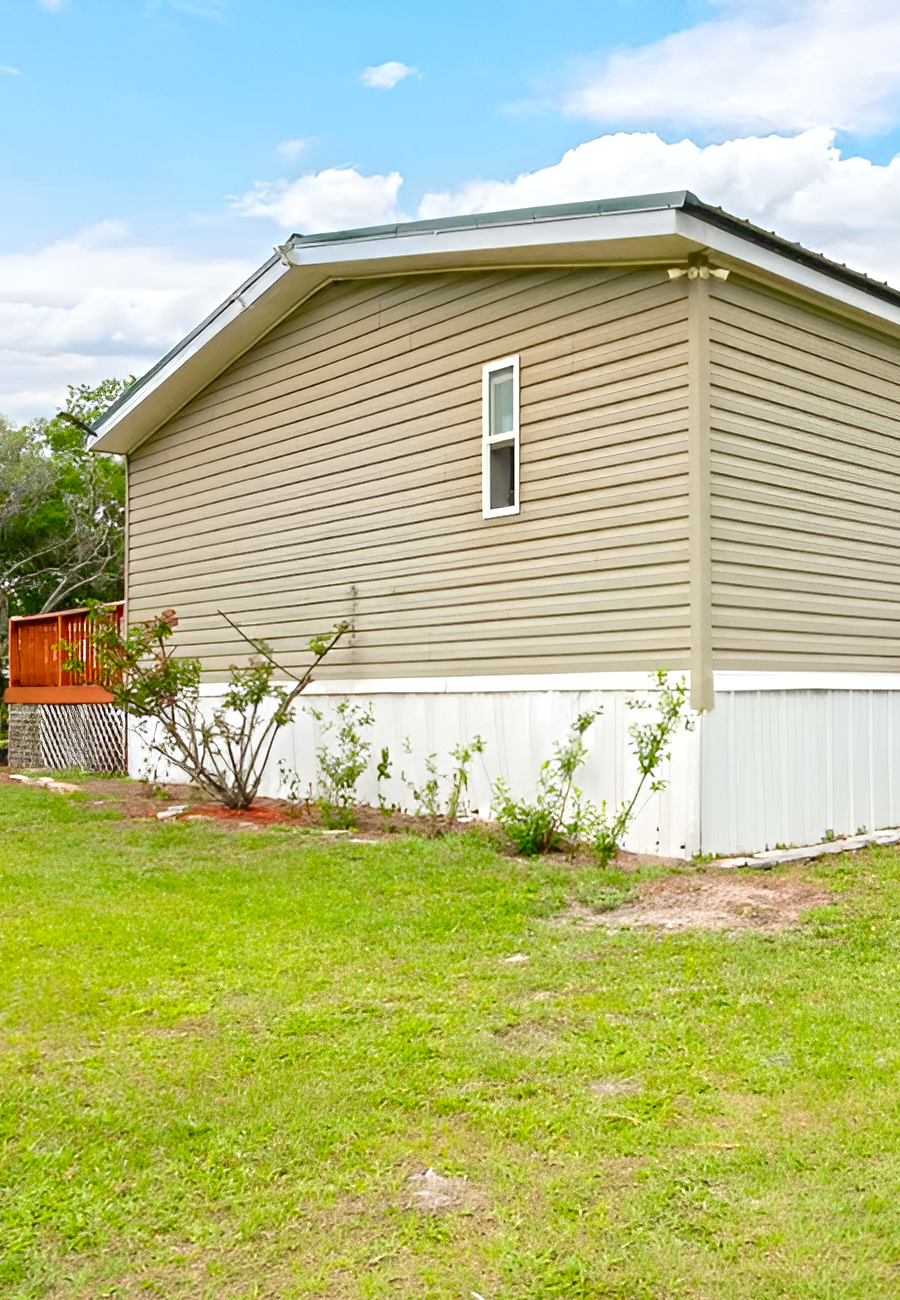
Skirting matters more than many people think. It hides the underside of the home. It also helps the house feel grounded.
White skirting gives a bright, clean base. Lattice skirting works well below decks because it adds pattern and charm. Solid skirting works well along the main body of the home because it looks neat and simple.
The goal is to make the home feel like it sits with purpose. When the skirting looks clean, the exterior feels finished from top to bottom.
Design cues to copy:
- Use neat skirting around the whole home.
- Add lattice below the deck for charm.
- Use solid panels for a simple base.
- Keep the skirting color tied to the trim.
- Repair any loose or uneven sections.
6. Add Wide Steps That Feel Safe and Inviting
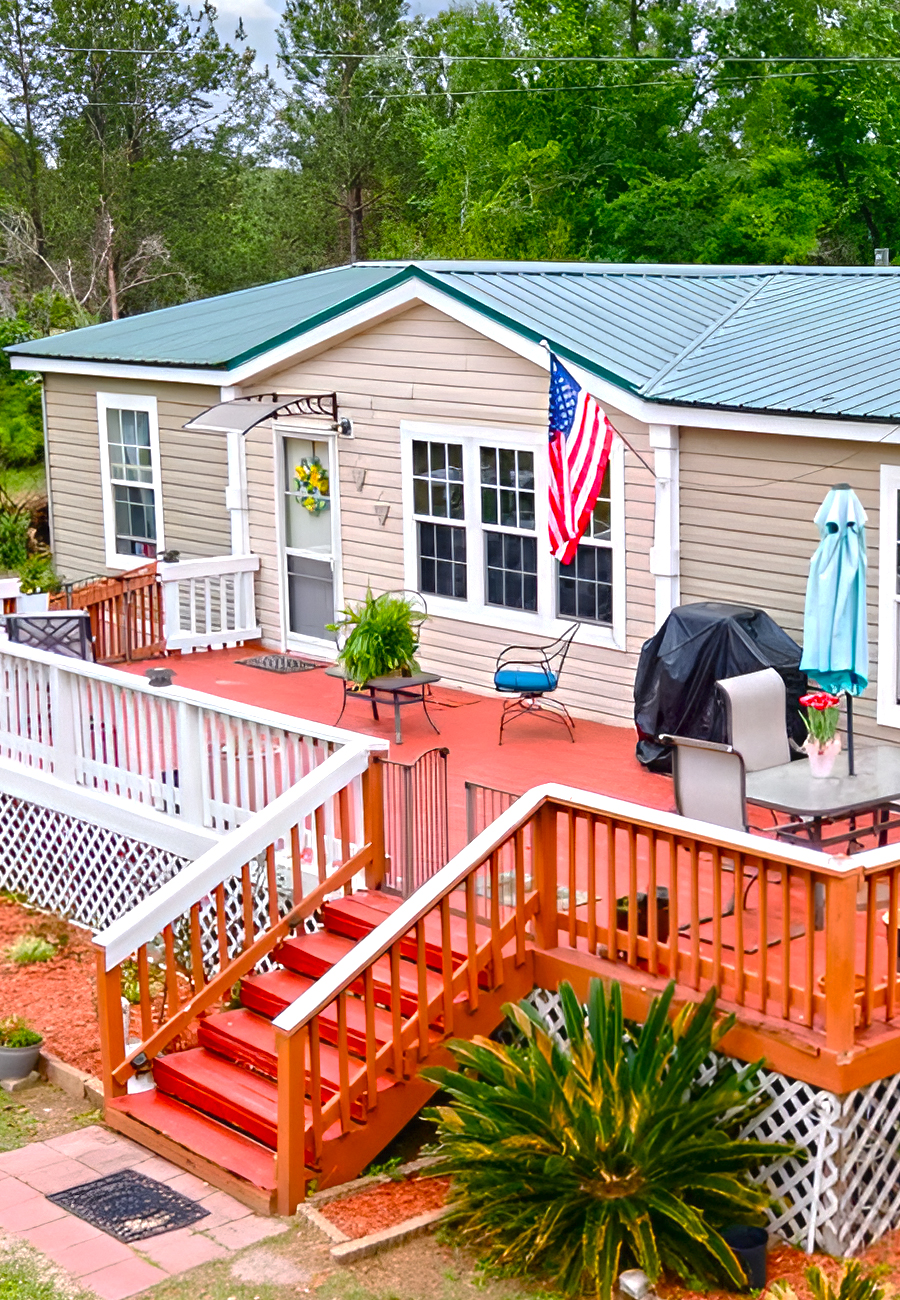
Steps can make or break the entry. Narrow steps may feel like an afterthought. Wide steps feel more welcoming.
For a double wide home, place the main steps where the eye naturally lands. A centered or easy-to-spot stairway helps guests know where to go. It also gives the front a stronger shape.
Paint or stain the steps to match the deck. Then add a simple landing or paver pad at the bottom. This small detail makes the entry feel more complete.
Design cues to copy:
- Use wide steps at the main entry.
- Match the stair color to the deck.
- Add sturdy railings on both sides.
- Place a mat or paver pad at the base.
- Keep the path clear and easy to walk.
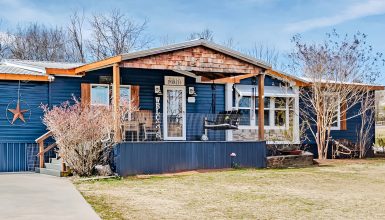
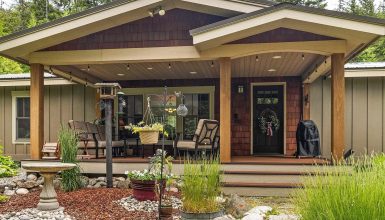
7. Create a Front Porch Sitting Area
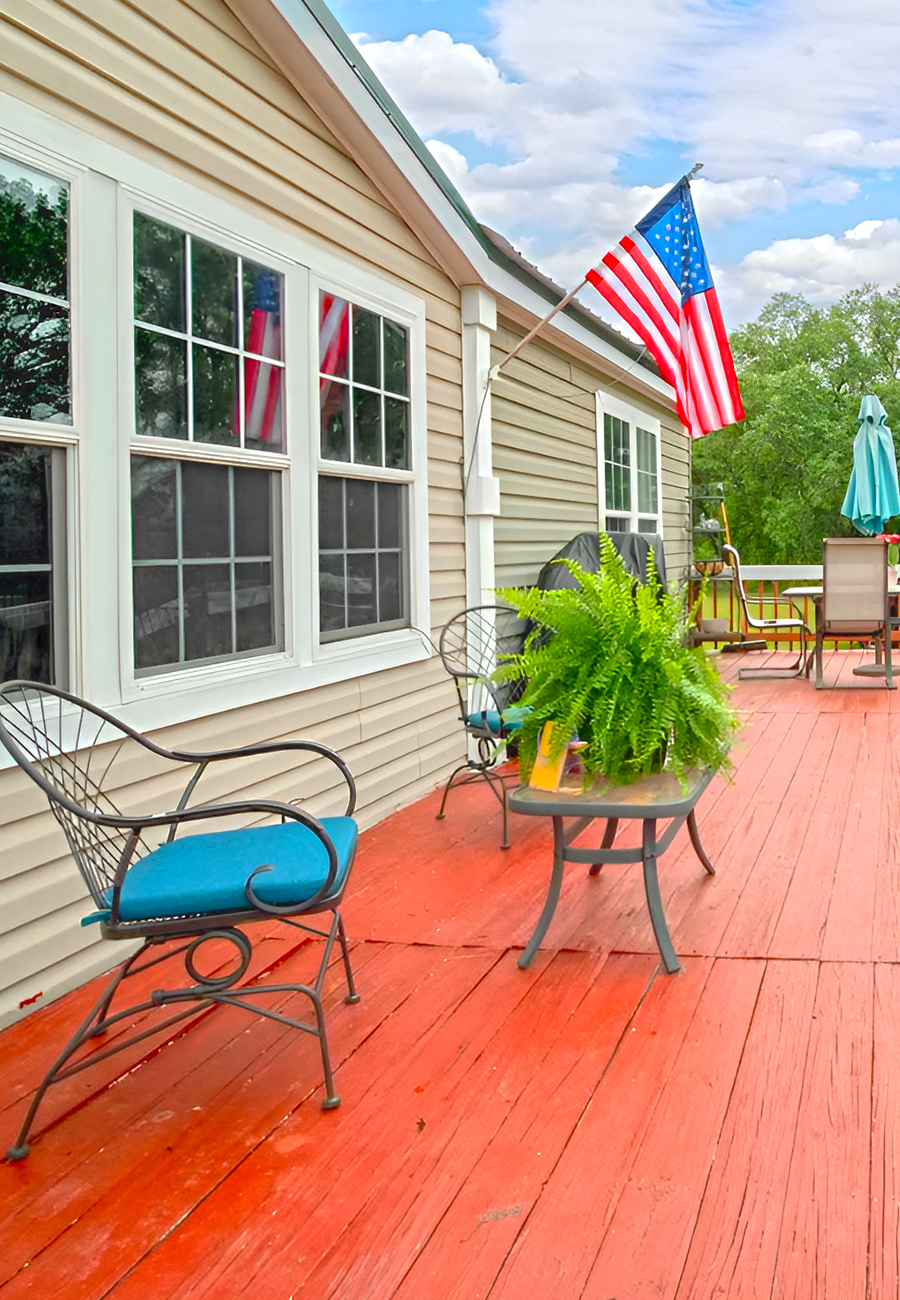
A porch should feel useful, not empty. Even a small seating group can make a big change. It tells people the home has comfort and life.
Use a small table with two chairs near the door. Add a fern, flower pot, or lantern. Then add a larger seating zone if the deck has room.
Outdoor furniture also helps divide a big deck into zones. One spot can work for coffee. Another can work for grilling. A larger area can hold a table and umbrella.
Design cues to copy:
- Add two chairs near the front door.
- Use a small table for plants or drinks.
- Place a dining set on the wider deck area.
- Add cushions for color.
- Keep the furniture scale simple and open.
8. Use a Patio Umbrella for Color and Shade
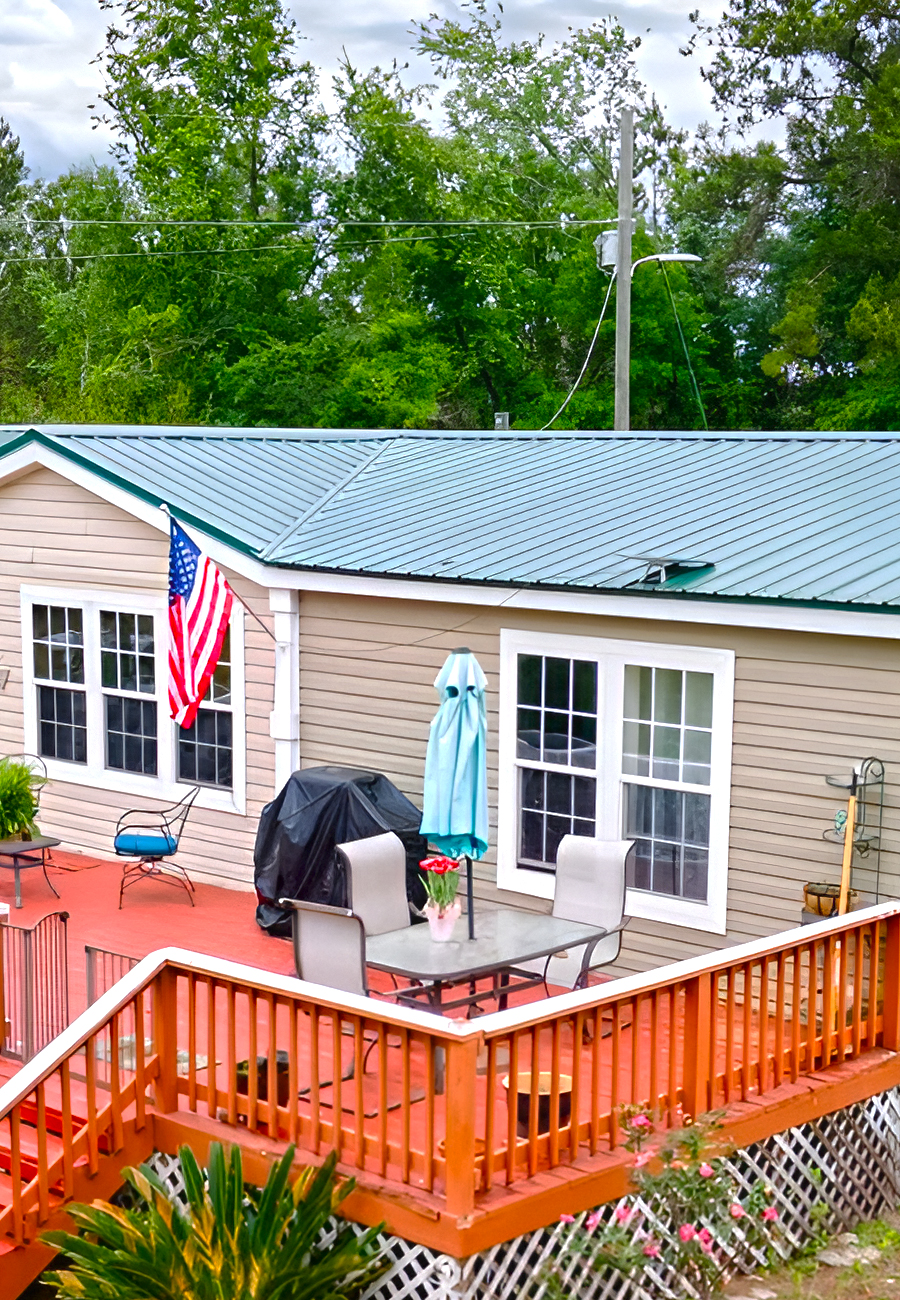
A patio umbrella adds height, shade, and color. It also makes the deck feel like an outdoor room.
Soft blue, teal, navy, or green can look great with neutral siding. These colors feel calm and fresh. They also pair well with trees and lawn.
Place the umbrella over a table or main seating area. This creates a clear gathering spot. It also gives the deck a resort-like touch without a big budget.
Design cues to copy:
- Add one umbrella over the main table.
- Choose a color that works with the roof or trim.
- Keep the base sturdy.
- Use outdoor fabric that can handle sun.
- Pair it with simple seating.
9. Add a Grill Zone Without Making It Look Messy
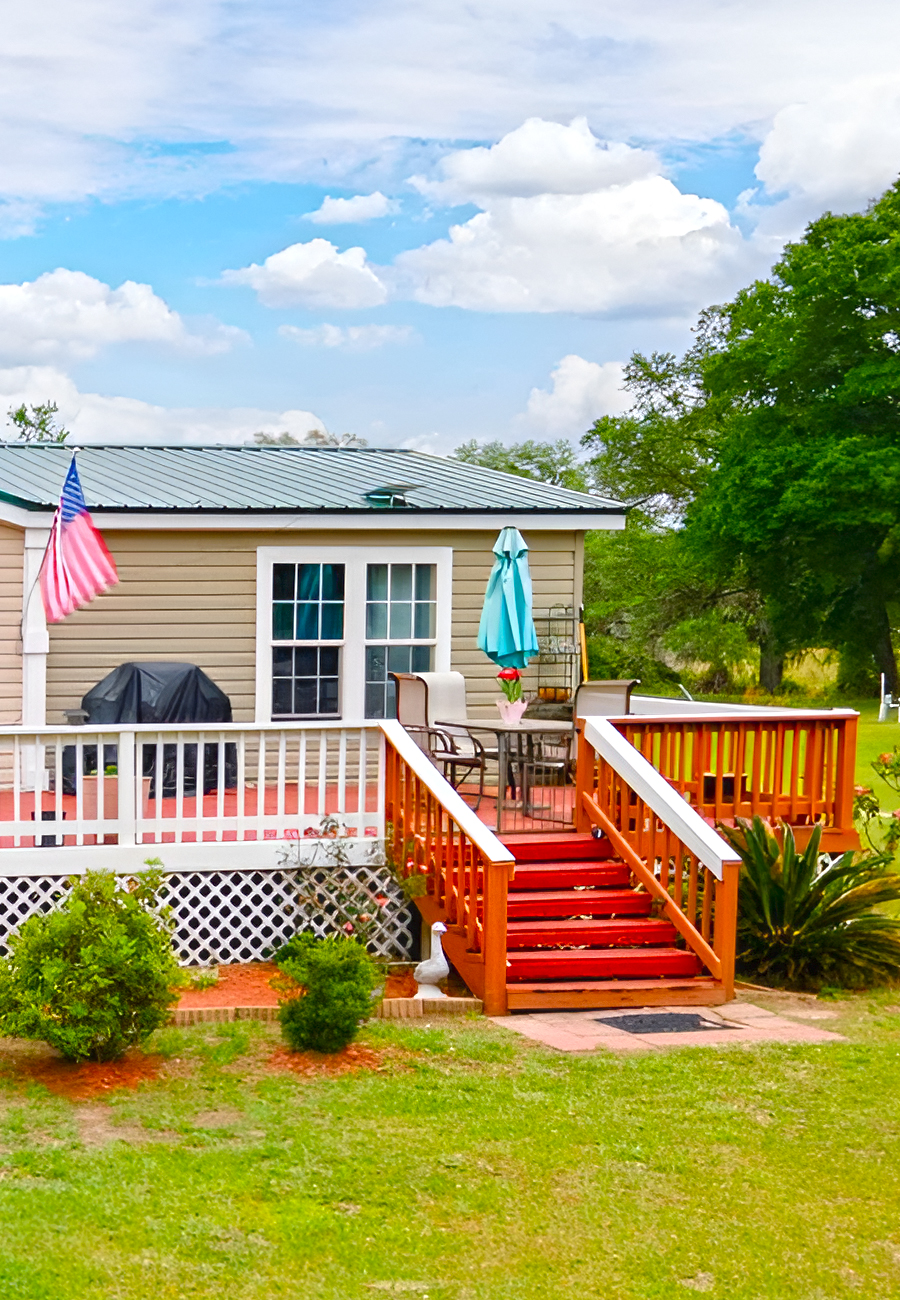
A grill belongs on many decks, but it needs its own spot. When it sits in the right place, it looks useful. When it floats in the middle, it can look cluttered.
Place the grill near the edge of the deck. Keep it close to the dining area, but not too close to chairs. This keeps the flow open.
A small outdoor cart, mat, or side table can help the grill area feel planned. It also gives you room for tools, plates, and prep items.
Design cues to copy:
- Place the grill near a railing.
- Leave open space around it.
- Add a small prep table.
- Keep the cover neat when not in use.
- Avoid blocking the main path.
10. Frame the Deck With Simple Landscaping
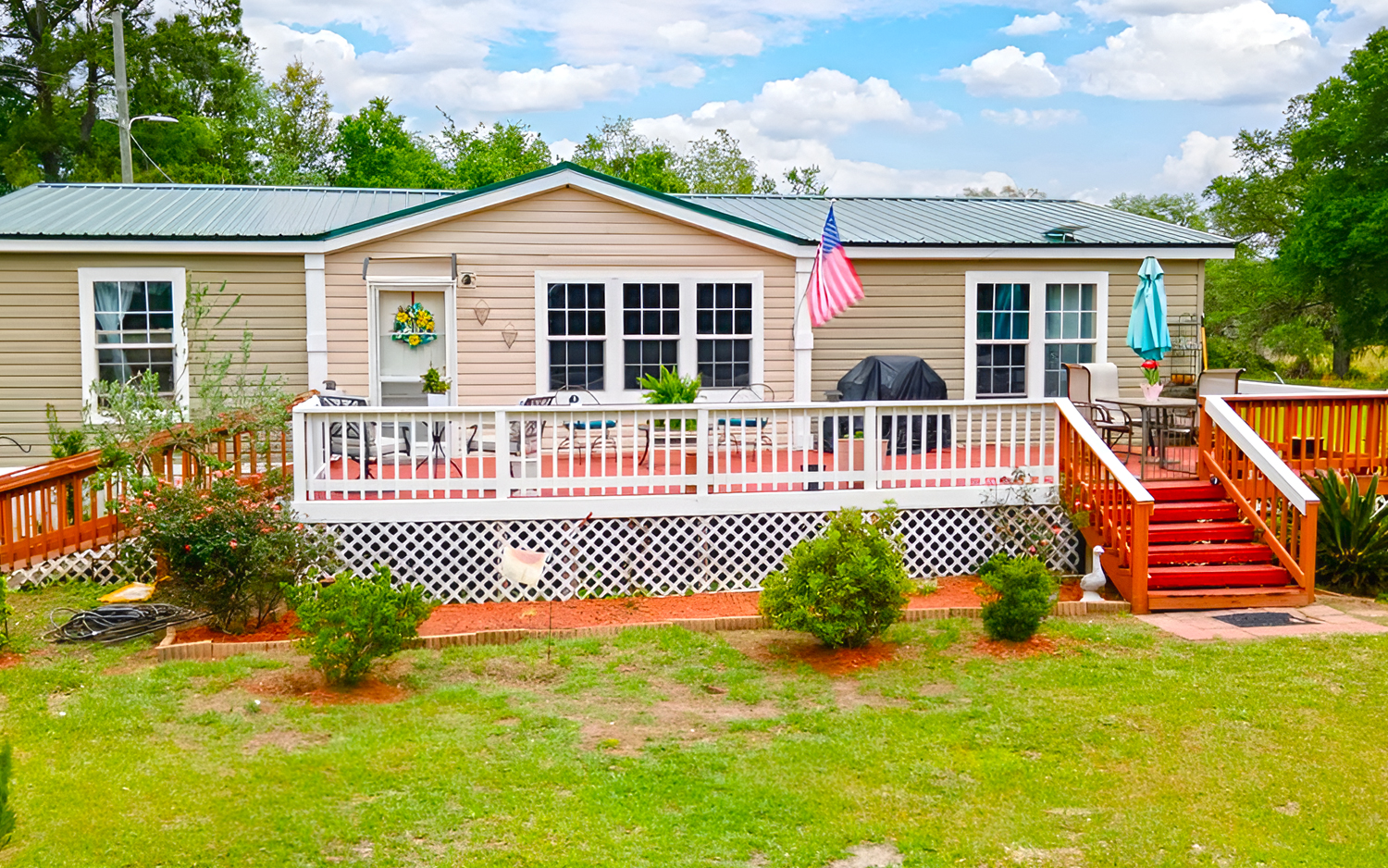
Plants help soften the straight lines of a double wide home. They also add color and texture at the base.
A simple bed along the deck can do a lot. Use mulch, low shrubs, small palms, grasses, or flowering plants. This draws the eye down and makes the home feel nestled into the yard.
Red or brown mulch can warm up a neutral exterior. It also makes green plants stand out. For a cleaner look, edge the beds with brick, stone, or concrete blocks.
Design cues to copy:
- Add planting beds along the deck.
- Use mulch to create a clean base.
- Mix low shrubs with a few taller plants.
- Add brick or stone edging.
- Keep plants away from siding and vents.
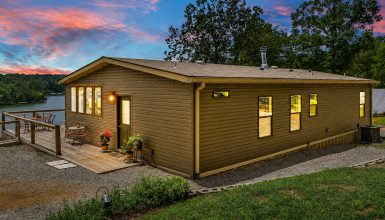
11. Use Foundation Plantings to Break Up Long Walls
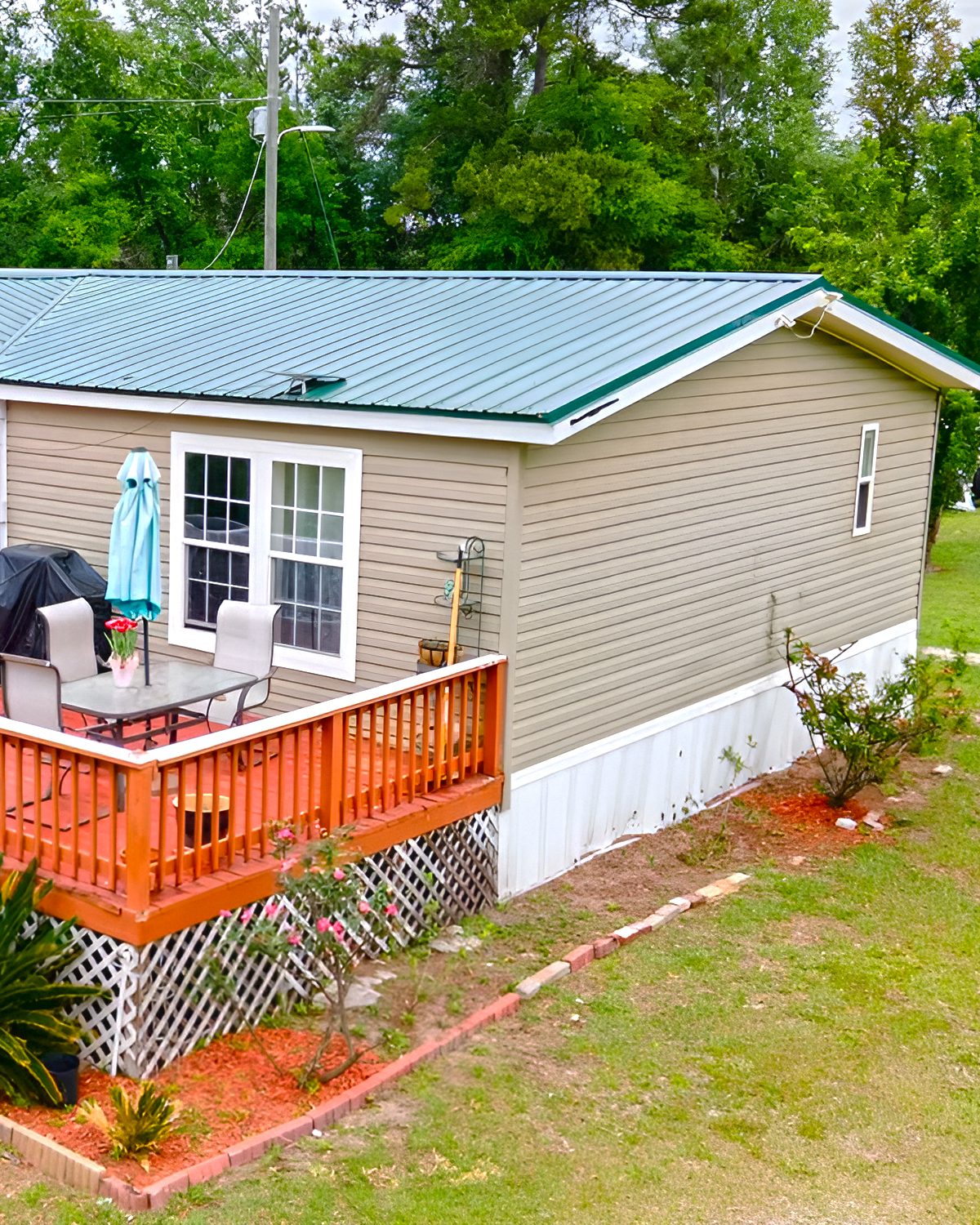
Double wide homes often have long side walls. These walls can feel plain from certain angles. Plants help fix that.
Use shrubs, small trees, or tall grasses along the side. Space them out instead of lining them up too tightly. This gives the wall rhythm and movement.
Keep the plants low enough so they do not block windows. Around blank wall areas, use taller plants for balance. This makes the side view feel much more finished.
Design cues to copy:
- Plant shrubs along long side walls.
- Leave room between plants and siding.
- Use taller plants where the wall has no windows.
- Keep window areas clear.
- Add mulch for a neat look.
12. Add a Side Entry With Matching Steps
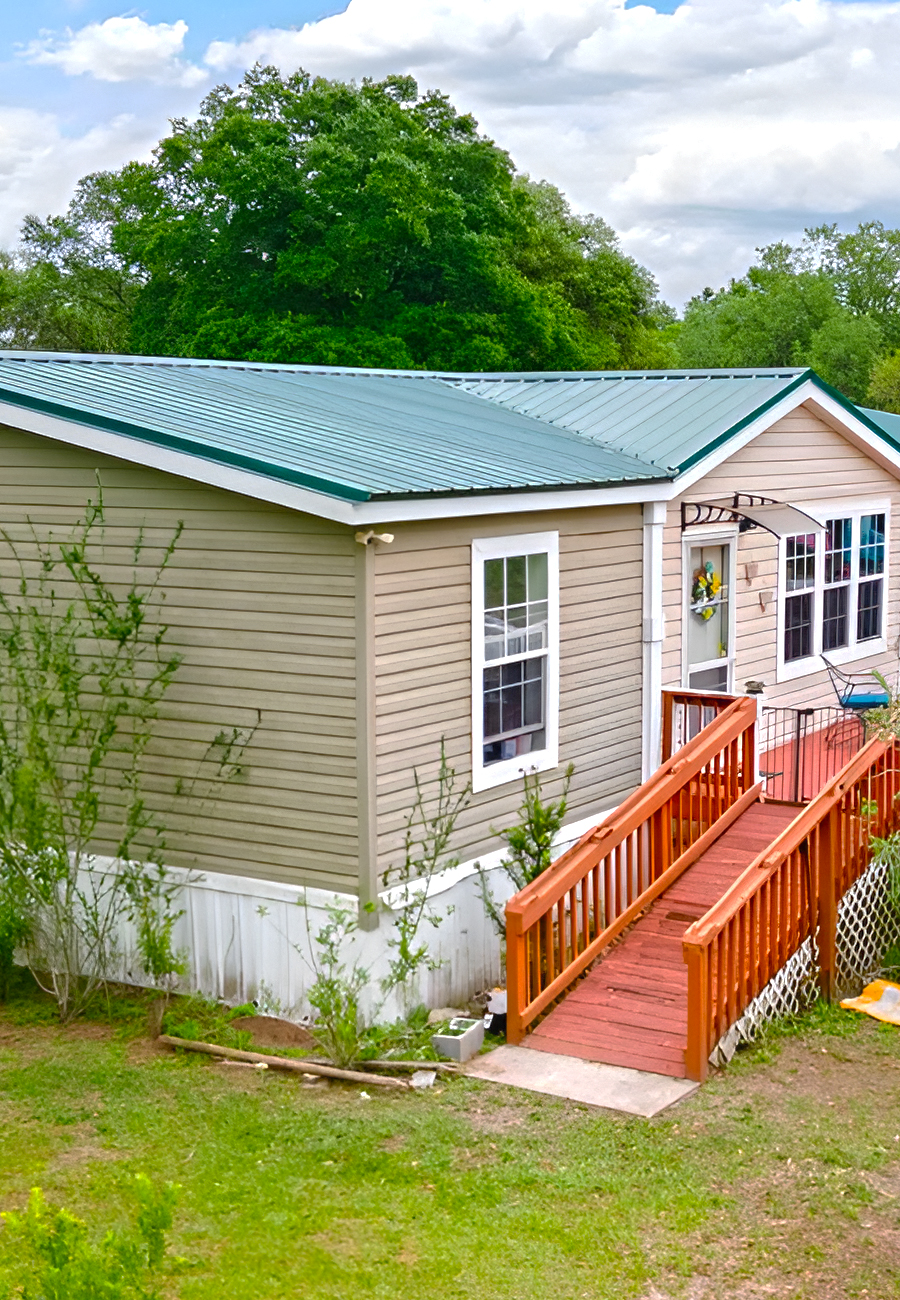
A side entry can look just as nice as the front. It should not feel forgotten. Matching steps, rails, and landing materials help it blend with the rest of the home.
A small side porch works well for daily use. It can serve as a drop zone for boots, garden tools, or trash bins. Still, it should look tidy from the yard.
Use the same wood stain as the main deck. Then add a small paver pad below the steps. This keeps dirt down and gives the side door a clean finish.
Design cues to copy:
- Match side steps to the main deck.
- Add a simple landing by the door.
- Use railings for safety.
- Place a small mat at the entry.
- Keep bins and tools tucked to the side.
13. Build a Simple Path to the Porch
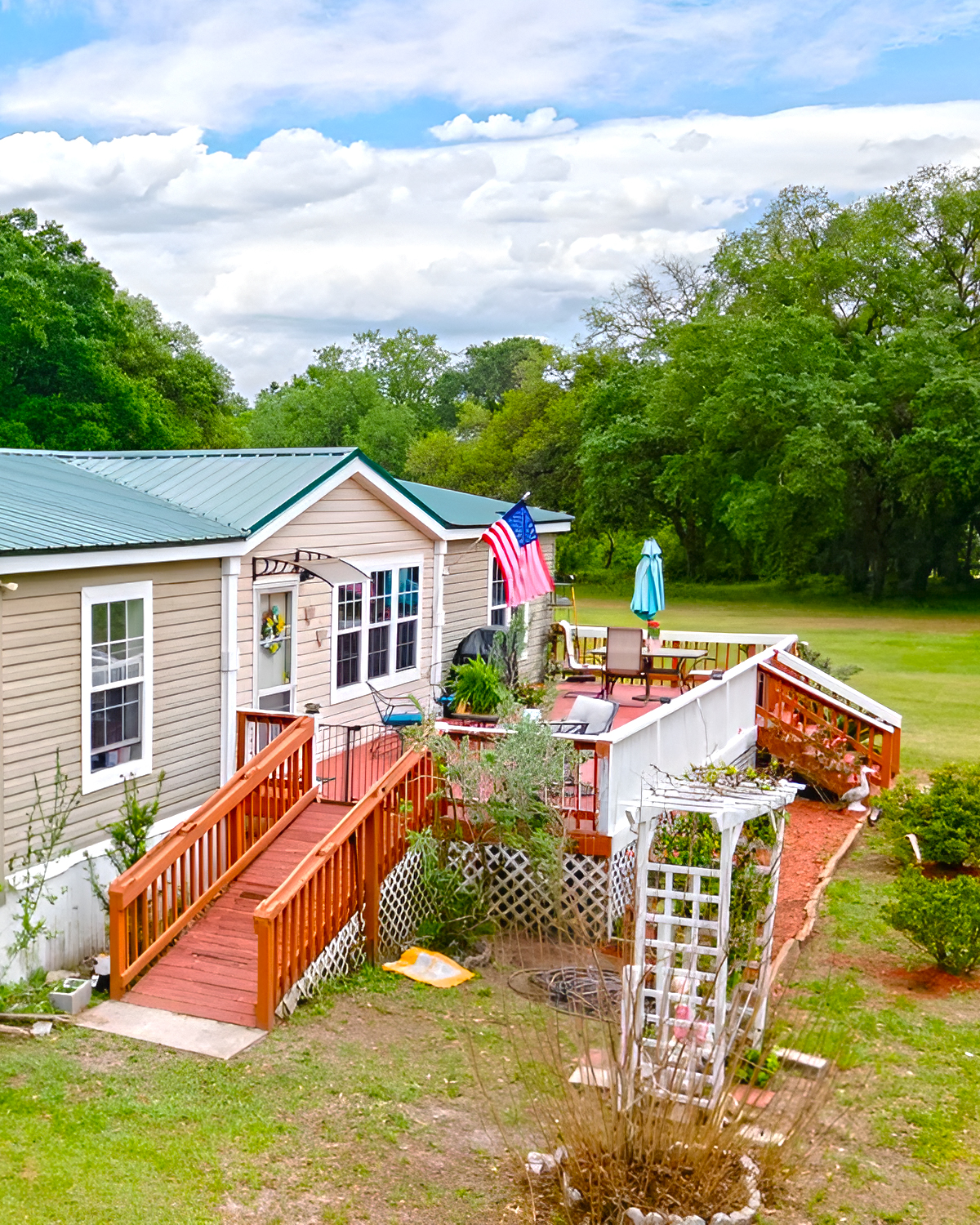
A porch feels more welcoming when the path leads right to it. Even a short walkway can make the entry look more polished.
Pavers, stepping stones, gravel, or concrete all work. The path does not need to be grand. It just needs to guide the eye and the feet.
For a soft, country look, use square pavers with grass around them. For a cleaner look, use one smooth concrete path. Either way, connect the yard to the steps with care.
Design cues to copy:
- Add a clear path to the main steps.
- Use pavers for an easy upgrade.
- Keep the path wide enough for guests.
- Add a small landing at the stair base.
- Line the path with low plants or mulch.
14. Add a Garden Arbor or Trellis for Charm
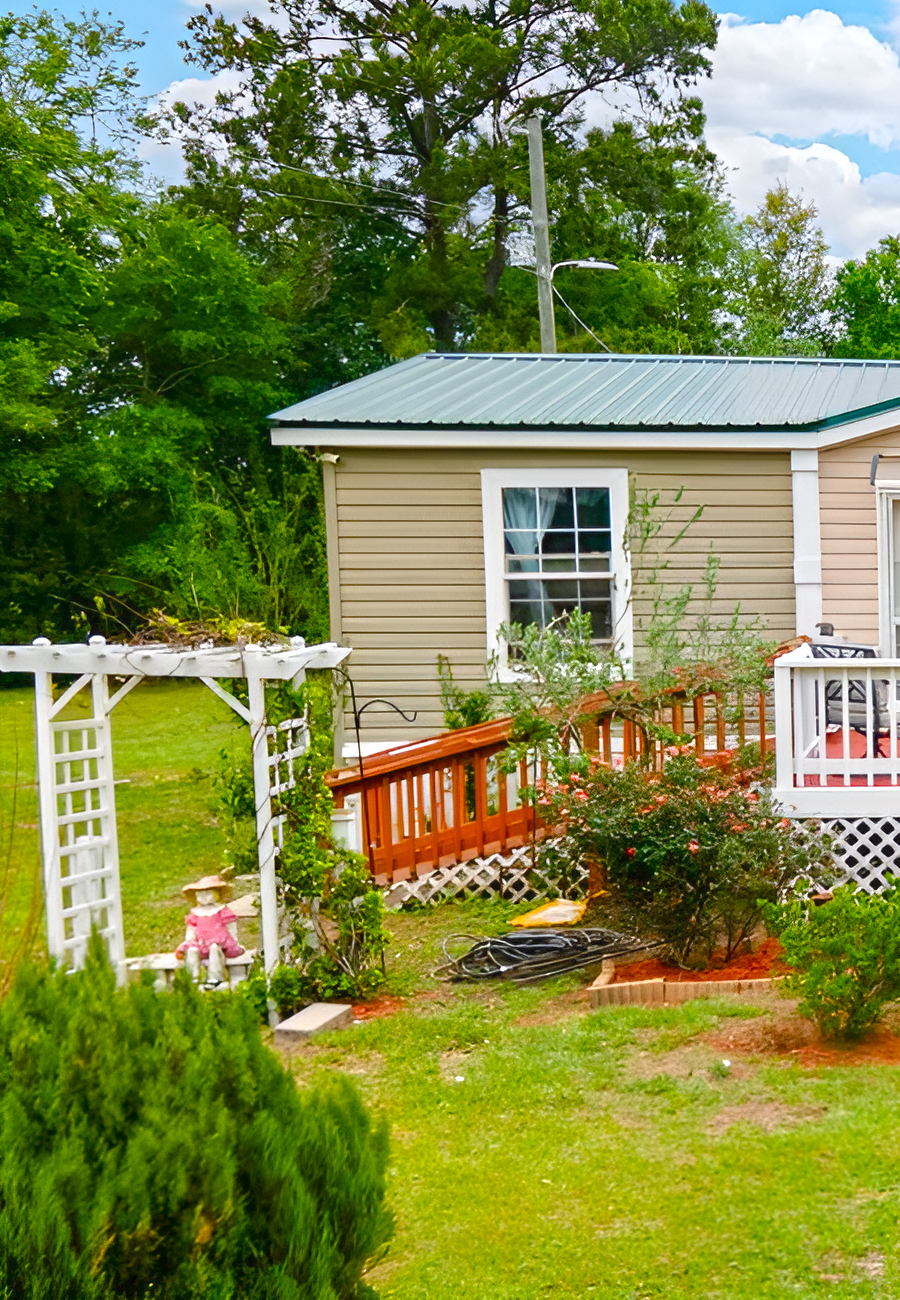
A small arbor can make a manufactured home exterior feel sweeter and more personal. It also creates a “garden entry” feel near the porch or side yard.
White arbors work well with white trim and railings. They add height without adding heaviness. You can leave them simple or grow vines over them.
Place an arbor near a garden path, deck entry, or side yard. It gives the home a touch of cottage charm. It also helps the yard feel layered.
Design cues to copy:
- Use a white arbor to match trim.
- Place it near a path or garden bed.
- Add climbing flowers or vines.
- Keep the shape simple.
- Use it to mark a small outdoor zone.
15. Create a Finished Look From Every Angle
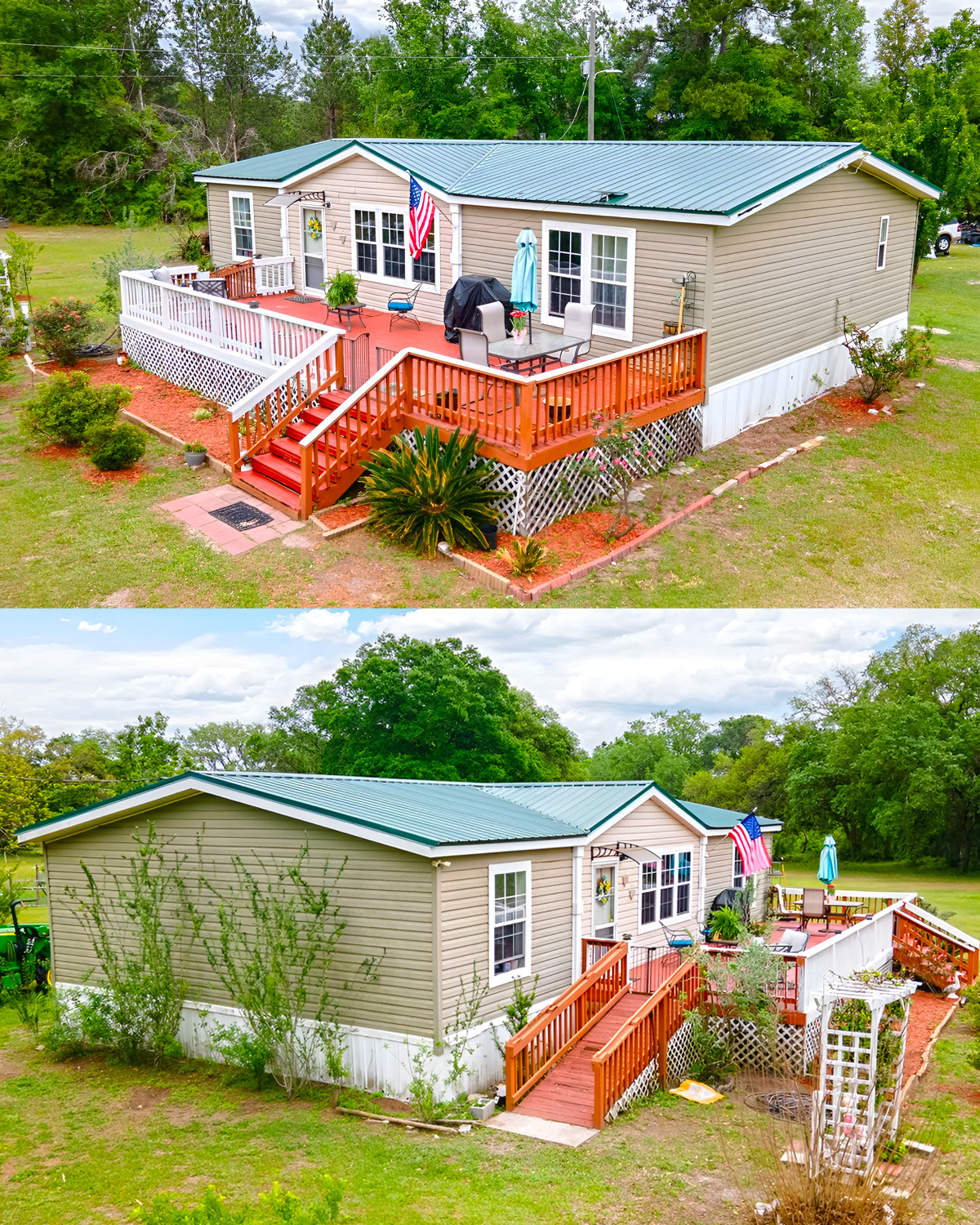
A double wide manufactured home has more than one important view. The front matters, of course. But the side and back matter too.
Make each side feel cared for. Add clean skirting, simple steps, trimmed plants, and tidy storage. This helps the whole home feel polished.
Even a small side door can look great with a stained stair, a mat, and a plant. The goal is to make every view feel useful and neat.
Design cues to copy:
- Repeat colors on all sides of the home.
- Keep side steps neat and safe.
- Use skirting around the full base.
- Add plants where walls look plain.
- Hide hoses, bins, and tools when possible.
Conclusion
A double wide manufactured home exterior shines when each detail works together. Start with the big pieces, like the deck, roof, skirting, and steps. Then layer in plants, porch furniture, paths, and simple decor.
The result feels warm, fresh, and easy to love. Even better, it feels like home before you ever step inside.