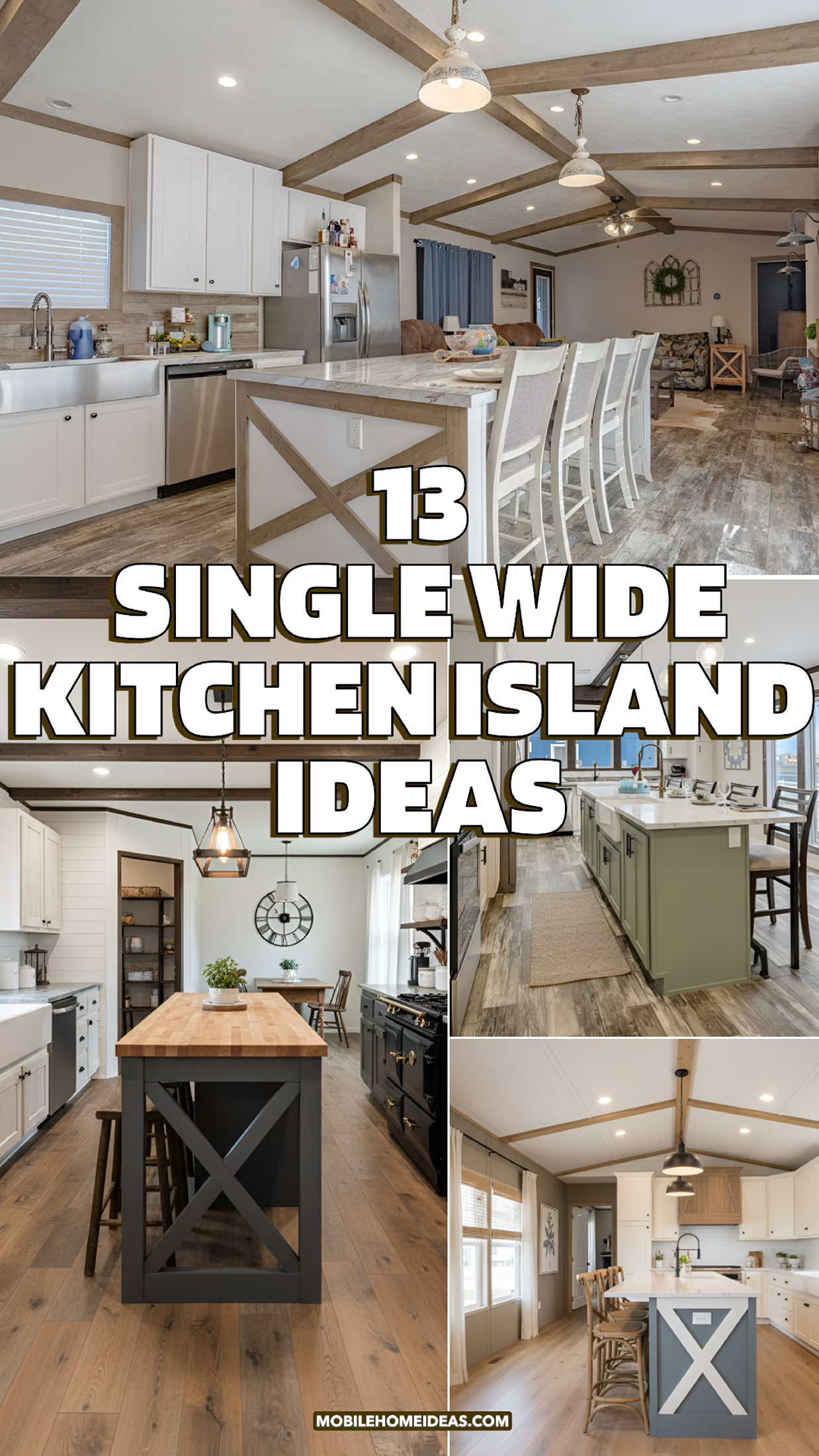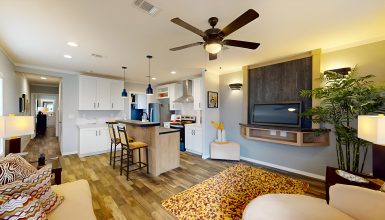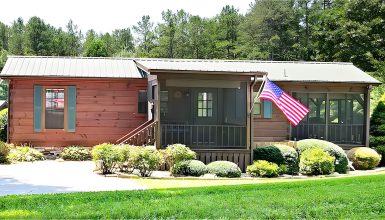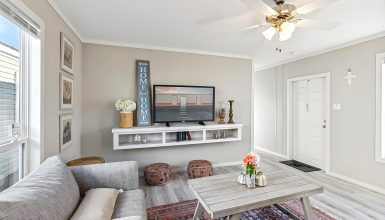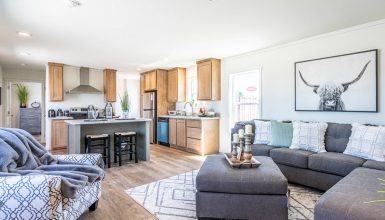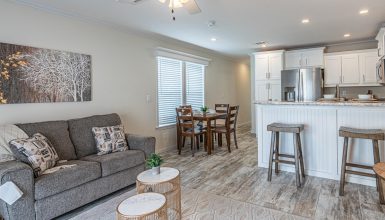
What if one smart piece could make your whole kitchen feel bigger, brighter, and far more useful? That is the magic of a well-designed island in a single wide mobile home kitchen. It adds prep space, extra storage, and a cozy spot to gather, all without giving up style. The key is knowing how to make it fit the room in a natural way. In this guide, you will see how to create a kitchen that feels open, works hard, and looks beautiful from every angle.
1. Start With the Shape of the Room
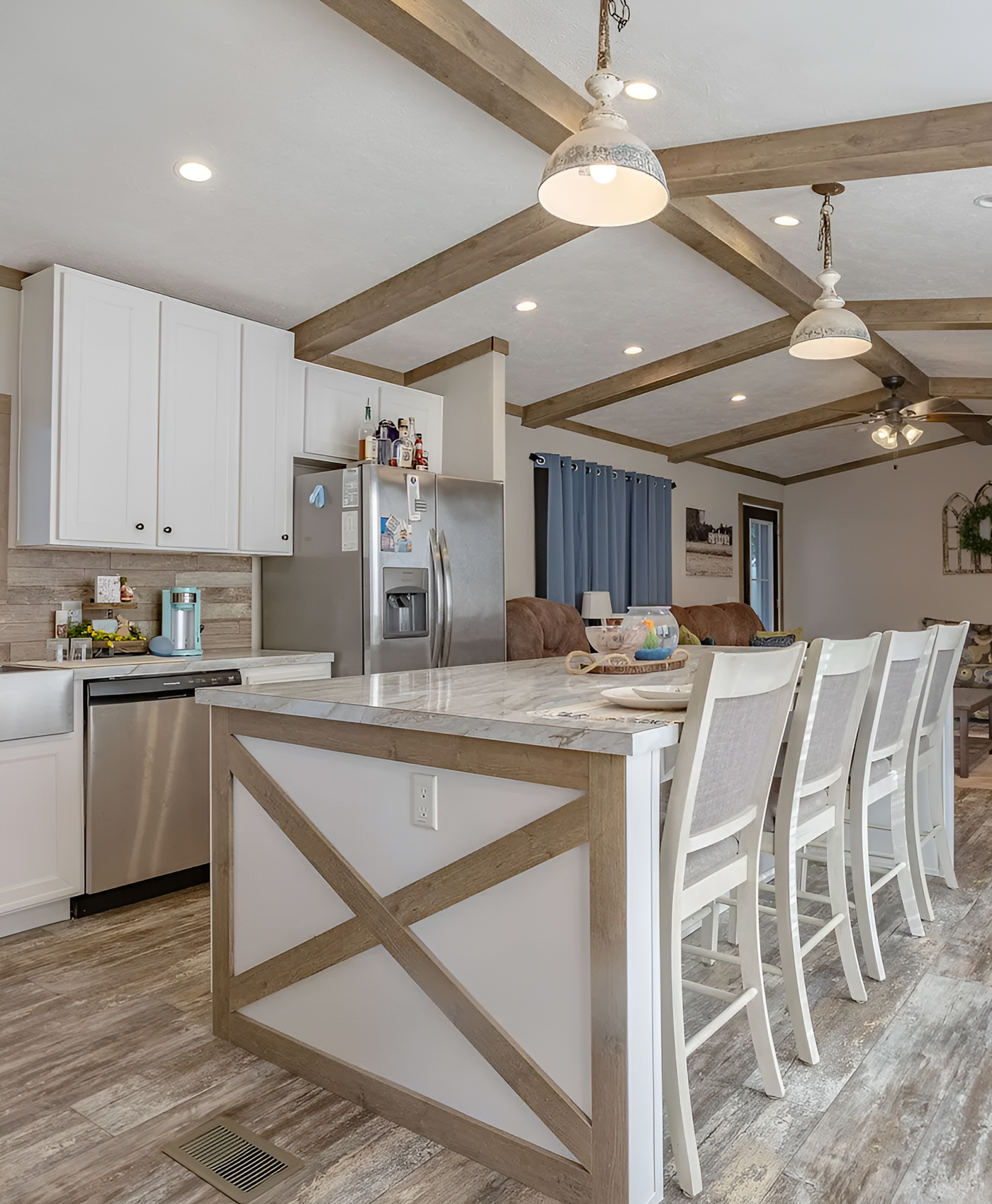
Before you shop for stools, pendants, or butcher block tops, step back and study the room. Most single wide kitchens are narrow. Some sit in a galley layout. Others open into the living area with one wall of cabinets and a small dining zone nearby. That means your island has to fit the shape, not fight it.
In a narrow kitchen, the island should act like a helper. It should never become a roadblock. You need enough room to open the fridge, pull out drawers, and move around without bumping into corners. Even a beautiful island will feel wrong if it makes the room hard to use.
Look at where people walk every day. Notice where the fridge door swings. Check how close the stove sits to the sink. Think about where groceries land when you come in. Good kitchen design always starts with movement.
Cues to look for:
- A clear walking path from one end of the kitchen to the other
- Enough room for appliance doors to open fully
- A layout that does not force people to squeeze sideways
- Open sightlines into the living or dining area
- A place for the island that feels centered, not cramped
2. Decide What the Island Needs to Do
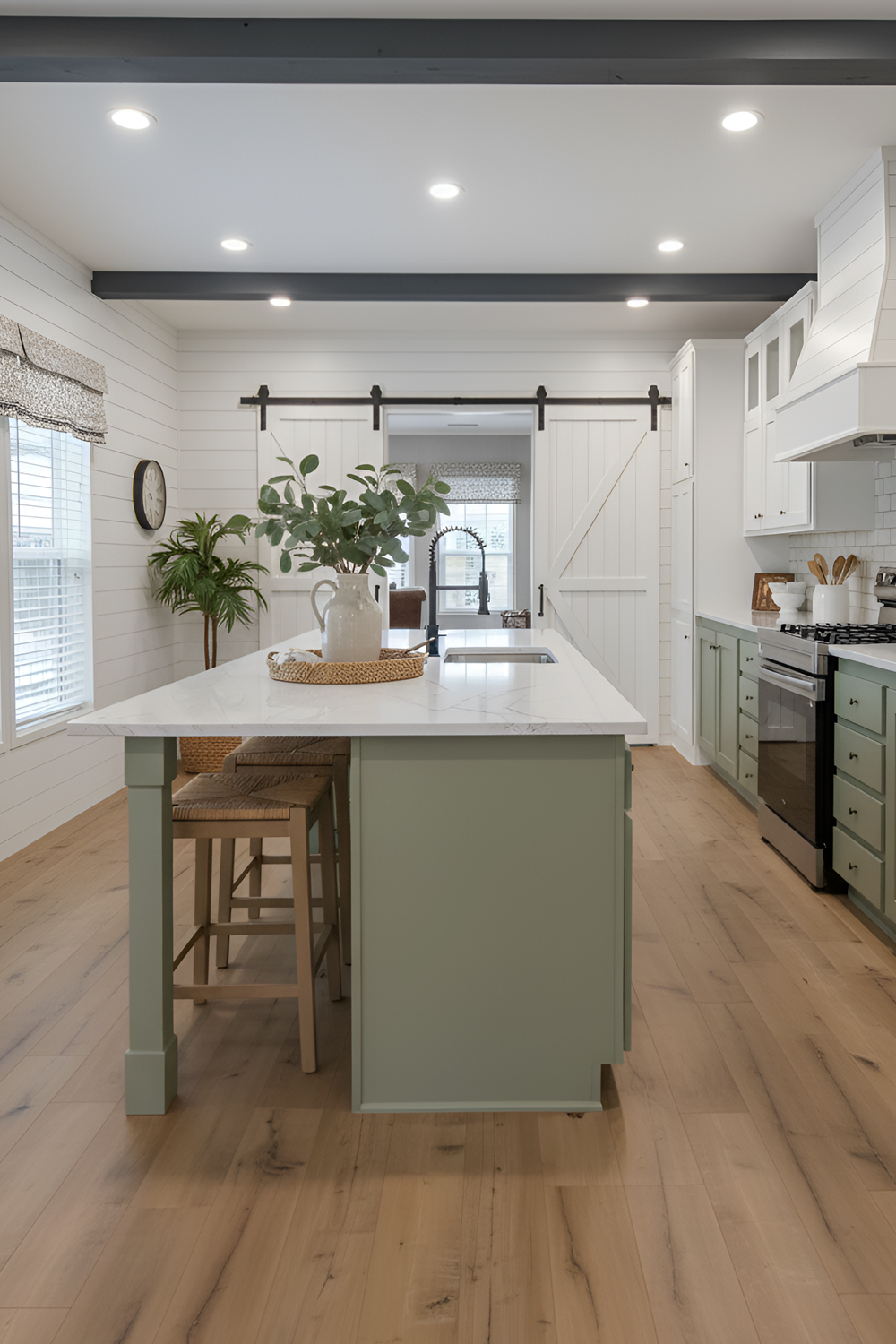
This is the make-or-break step. In a single wide kitchen, the island should not try to do everything at once. Pick its main job first.
Maybe you need more prep space. Maybe you want hidden storage for pots and pans. Maybe you want a breakfast bar because your dining area is tiny. Maybe you need a spot where kids can sit while you cook. Once you know the goal, the island design becomes much easier.
A prep island may only need a durable top and a few drawers. A social island may need an overhang for stools. A storage island may need shelves, baskets, or cabinet doors. A multi-use island can work too, but only if the size stays right for the room.
When space is tight, a simple island usually looks better and works better than an oversized one packed with too many features.
Cues to look for:
- One main purpose and one secondary purpose
- A shape that matches your daily routine
- Storage placed where you need it most
- Seating only if the walkway can still stay open
- A design that supports how you really live
3. Get the Size Right
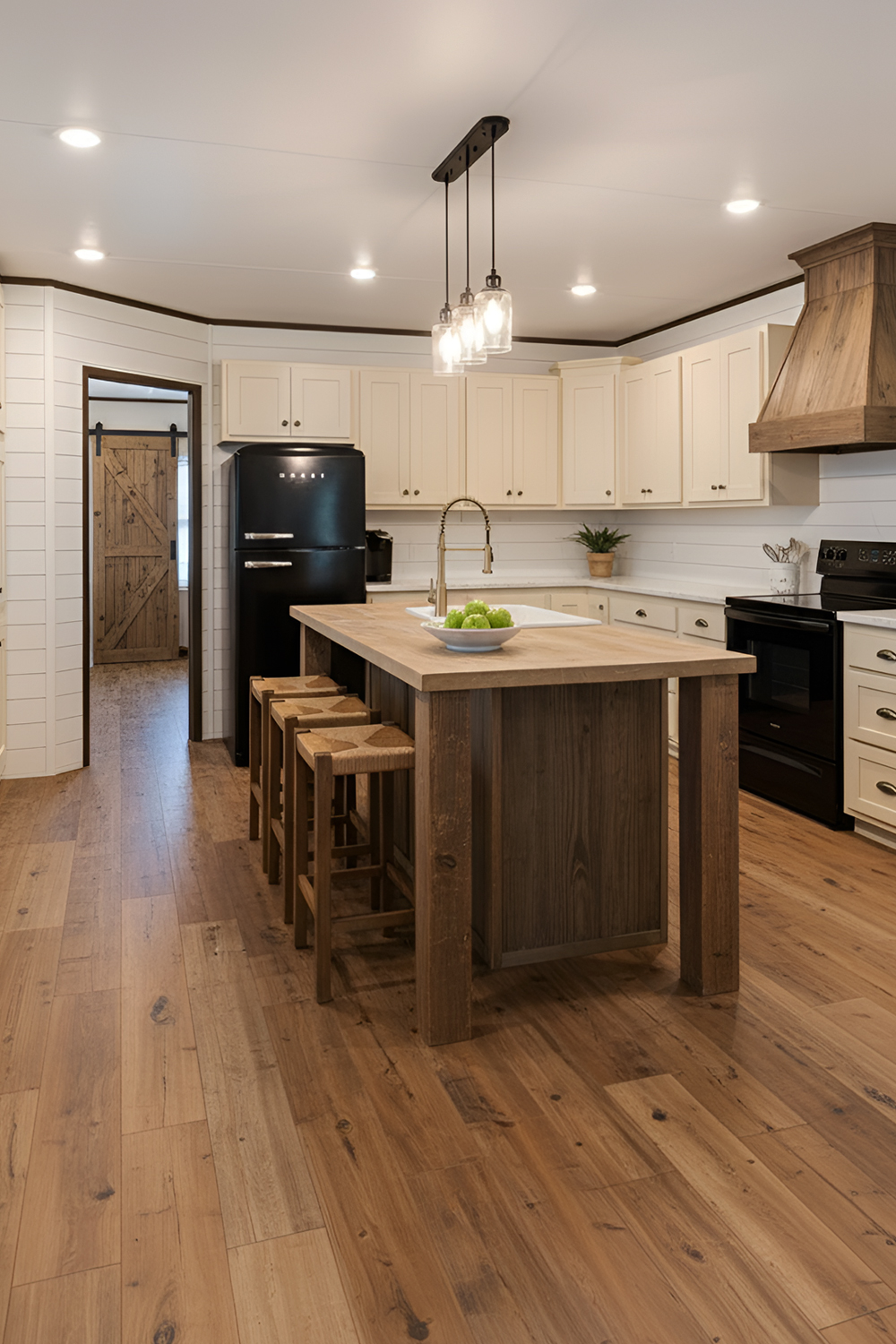
This is where many small kitchens go wrong. People fall in love with a large island and then force it into a narrow room. The result feels heavy and awkward. In a single wide home, scale matters more than almost anything else.
A slim island often works best. Long and narrow can be more useful than wide and bulky. A compact rectangle can give you prep space without swallowing the floor. In some kitchens, a movable island or cart-style island makes even more sense.
Also, pay attention to visual weight. A solid, dark box can make the room feel smaller. An island with open shelves, legs, or a lighter paint color can feel more airy.
Cues to look for:
- A narrow footprint that leaves space around all sides
- A length that fits the room without crowding doorways
- Open or airy details that keep the island from looking bulky
- Proportions that match the scale of the cabinets
- A top that offers function without feeling oversized
4. Choose the Best Island Style for a Single Wide Kitchen
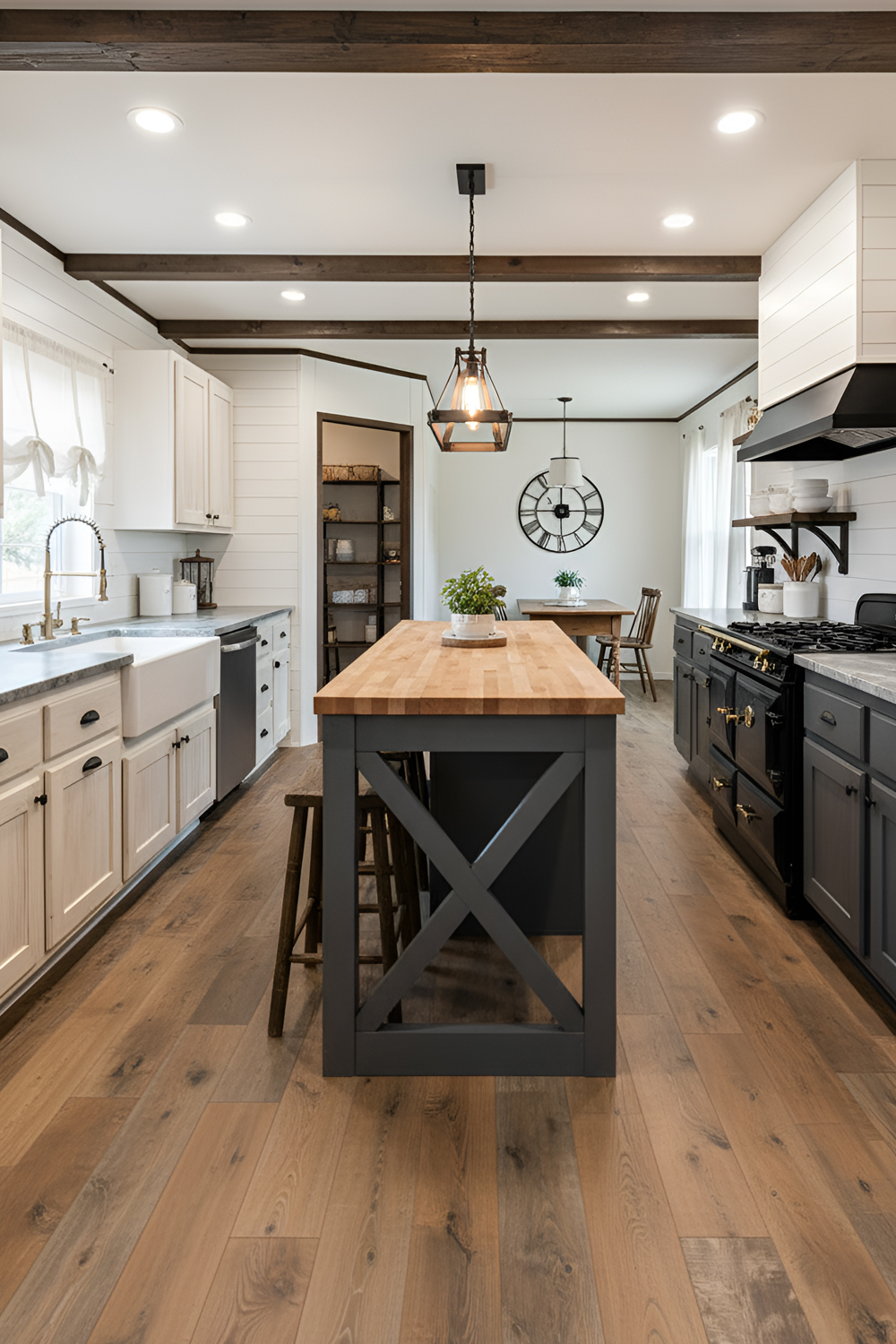
Not every island style fits every mobile home kitchen. Some work especially well in single wide layouts because they keep the room light and flexible.
A freestanding island has a furniture look. It can soften the kitchen and make it feel less builder-basic. A rolling island adds flexibility. You can move it when needed. A simple base cabinet island feels built-in and polished. A butcher block island adds warmth and cottage charm. An island with open shelving can help the room breathe.
The best style depends on your kitchen’s mood. Do you want farmhouse warmth, modern simplicity, rustic charm, or clean coastal lightness? The island can help set that tone.
Cues to look for:
- Furniture-style legs for a softer look
- Open shelving for baskets, cookbooks, or dishes
- A butcher block top for warmth
- Painted cabinetry for contrast
- Simple lines that do not overwhelm the room
5. Keep the Walkways Comfortable
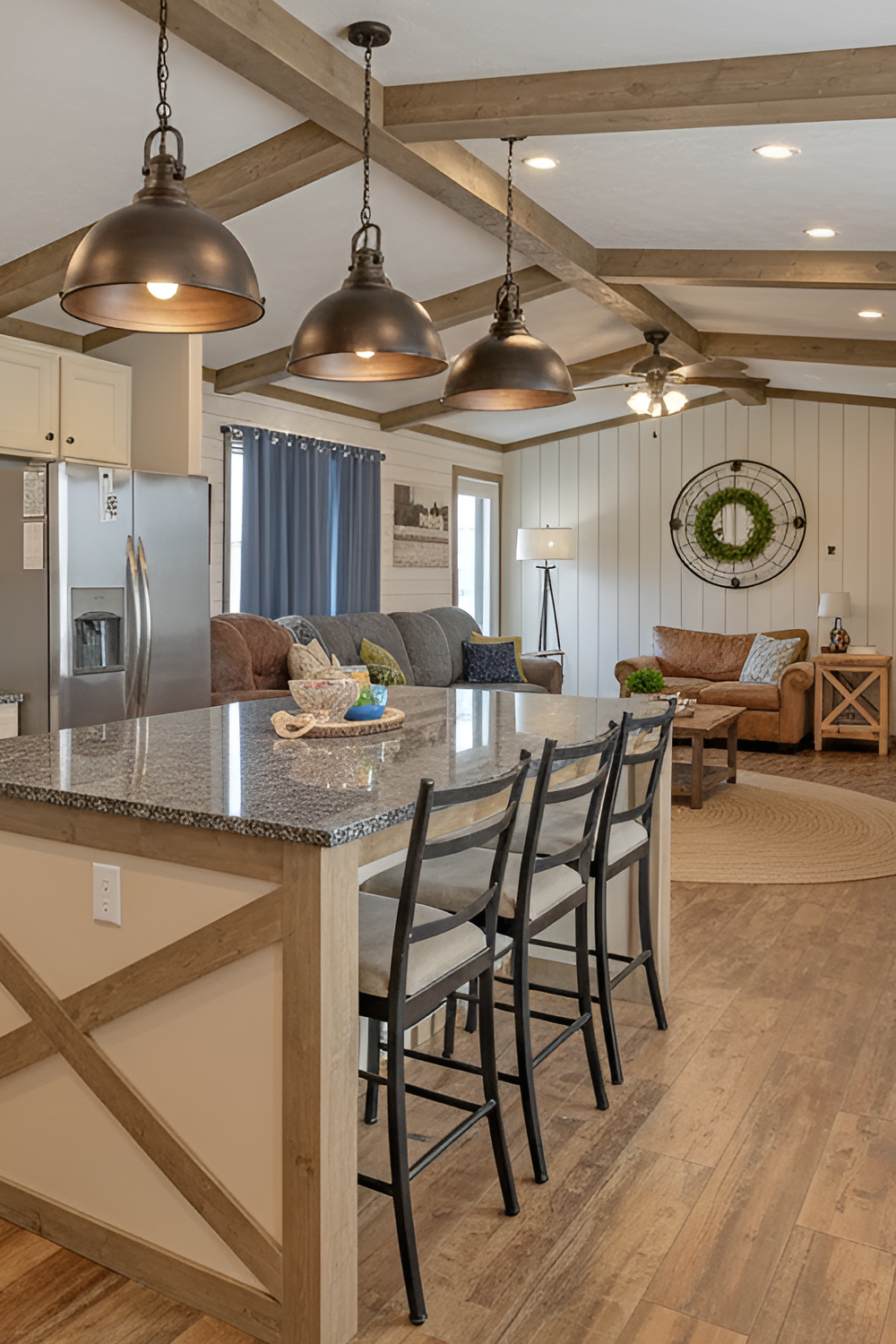
A kitchen can be tiny and still feel easy. That usually comes down to the walkways. In a single wide kitchen, the space around the island matters just as much as the island itself.
You want enough room to move naturally. You want to open the oven without hitting the island. You want two people to pass each other without doing a dance. If the room feels tight every time someone cooks, the layout needs work.
This is why a smaller island often wins. It gives you breathing room. It lets the kitchen feel calm instead of crowded. Good flow makes the whole room feel bigger than it is.
Cues to look for:
- Easy movement between sink, stove, and fridge
- Room to stand at the counter while someone passes behind you
- No blocked door swings
- No tight corners near appliances
- A layout that feels smooth from morning to night
6. Add Storage Where It Counts
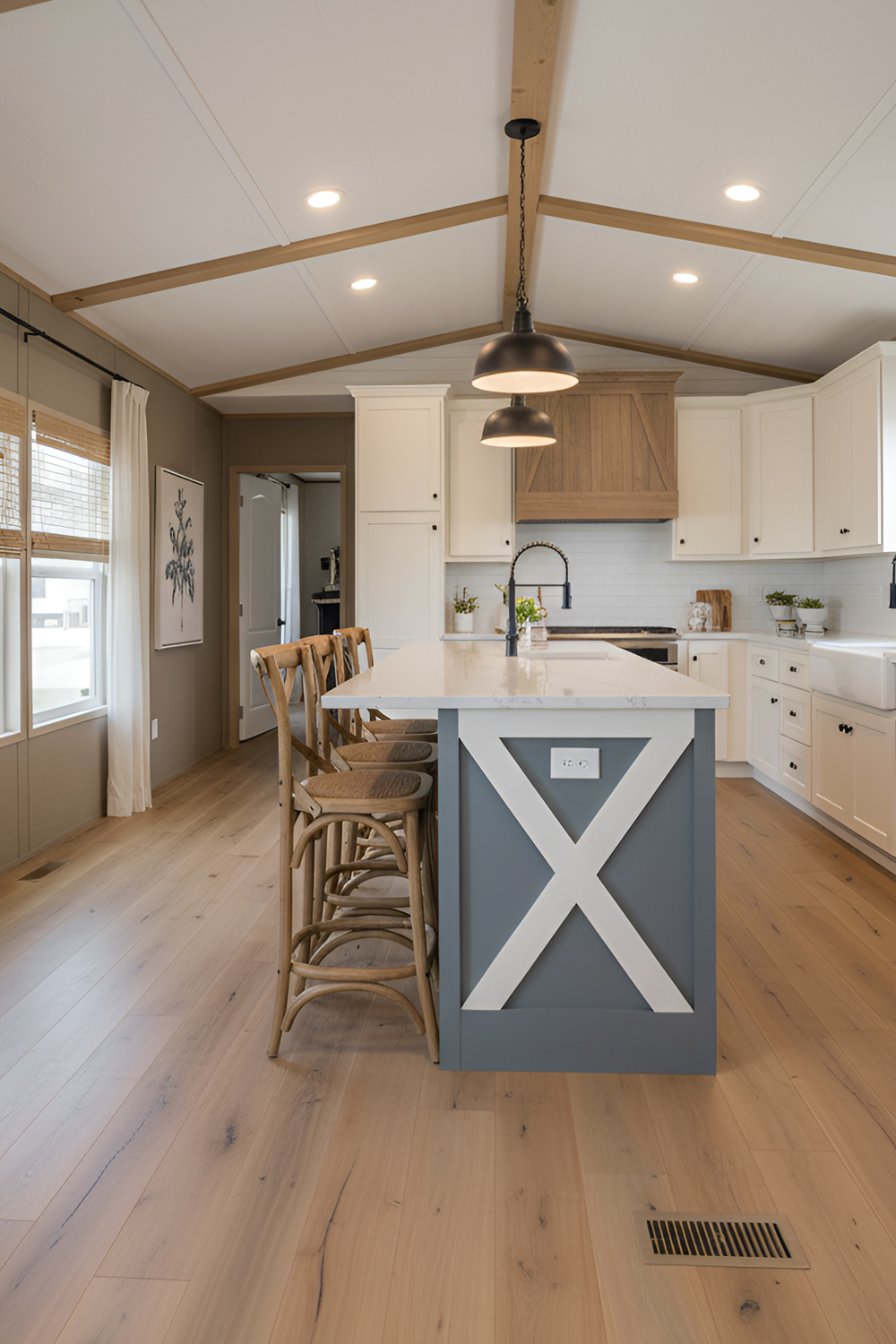
A single wide kitchen needs smart storage. The island can help solve that problem beautifully. Instead of treating it like just a surface, use it as a storage engine.
Drawers work well for utensils, mixing bowls, and linens. Cabinet doors can hide small appliances. Open shelves can hold baskets for snacks, produce, or baking supplies. A narrow pull-out can even store cutting boards or trays. If your kitchen lacks a pantry, the island can become a mini pantry.
Think about what clutters your counters now. That tells you what the island should hold.
Cues to look for:
- Deep drawers for cookware
- Baskets for produce or snacks
- Shelves for dishes or cookbooks
- Hidden storage for small appliances
- A layout that reduces countertop clutter
7. Think Carefully About Seating
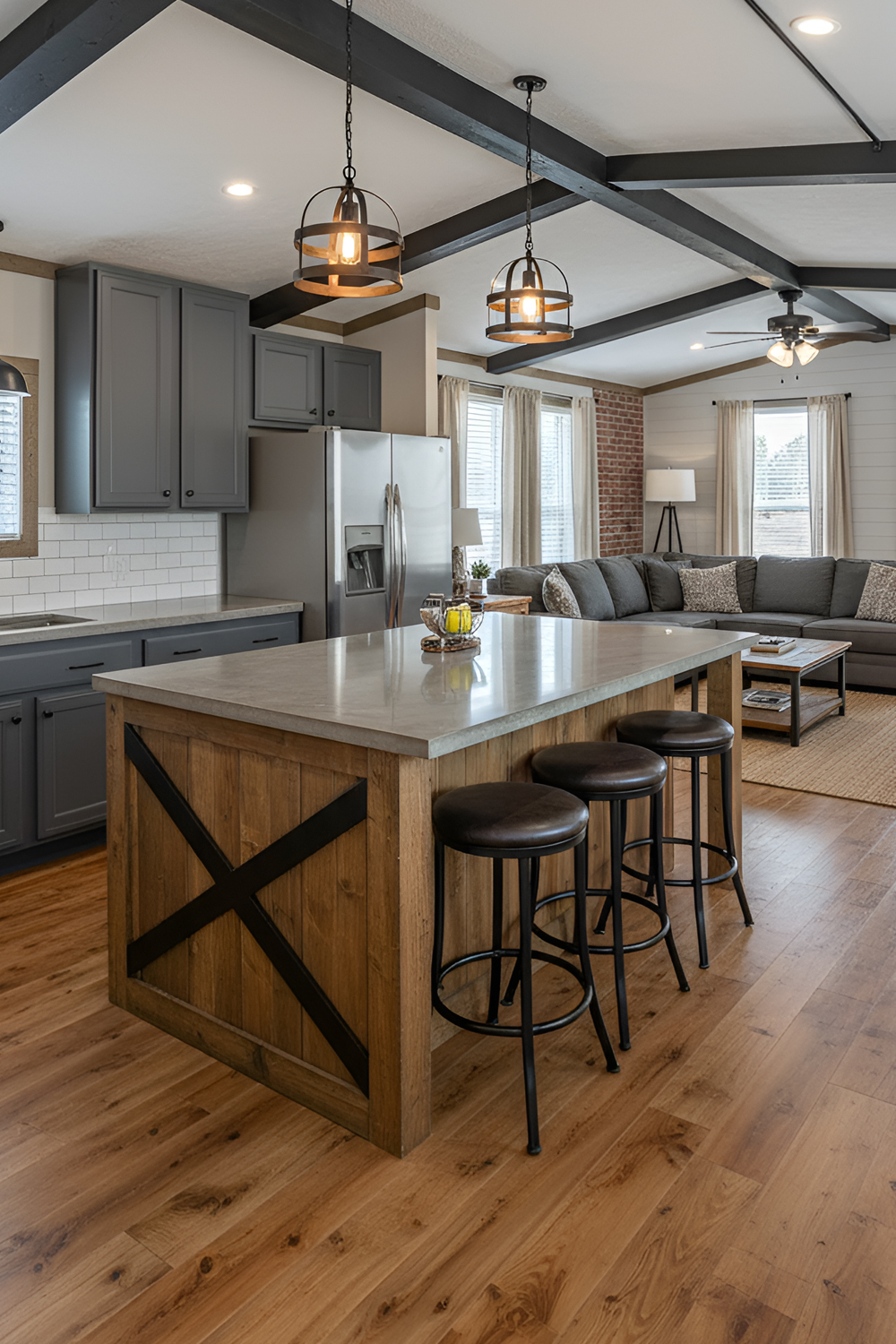
Seating can make an island feel warm and inviting. It can also eat up valuable space. So be selective.
If your single wide kitchen opens into the living area, two stools may be enough. If you already have a dining nook nearby, you may not need island seating at all. In many small homes, one or two seats work better than trying to fit four.
Backless stools are a smart choice because they tuck under the overhang. Slim stools keep the room from feeling crowded. Choose seating that feels light and simple.
Cues to look for:
- One or two stools instead of too many
- Backless or low-profile seating
- An overhang sized for comfortable sitting
- A stool finish that ties into the kitchen palette
- A setup that keeps walkways open
8. Use Color to Make the Kitchen Feel Bigger
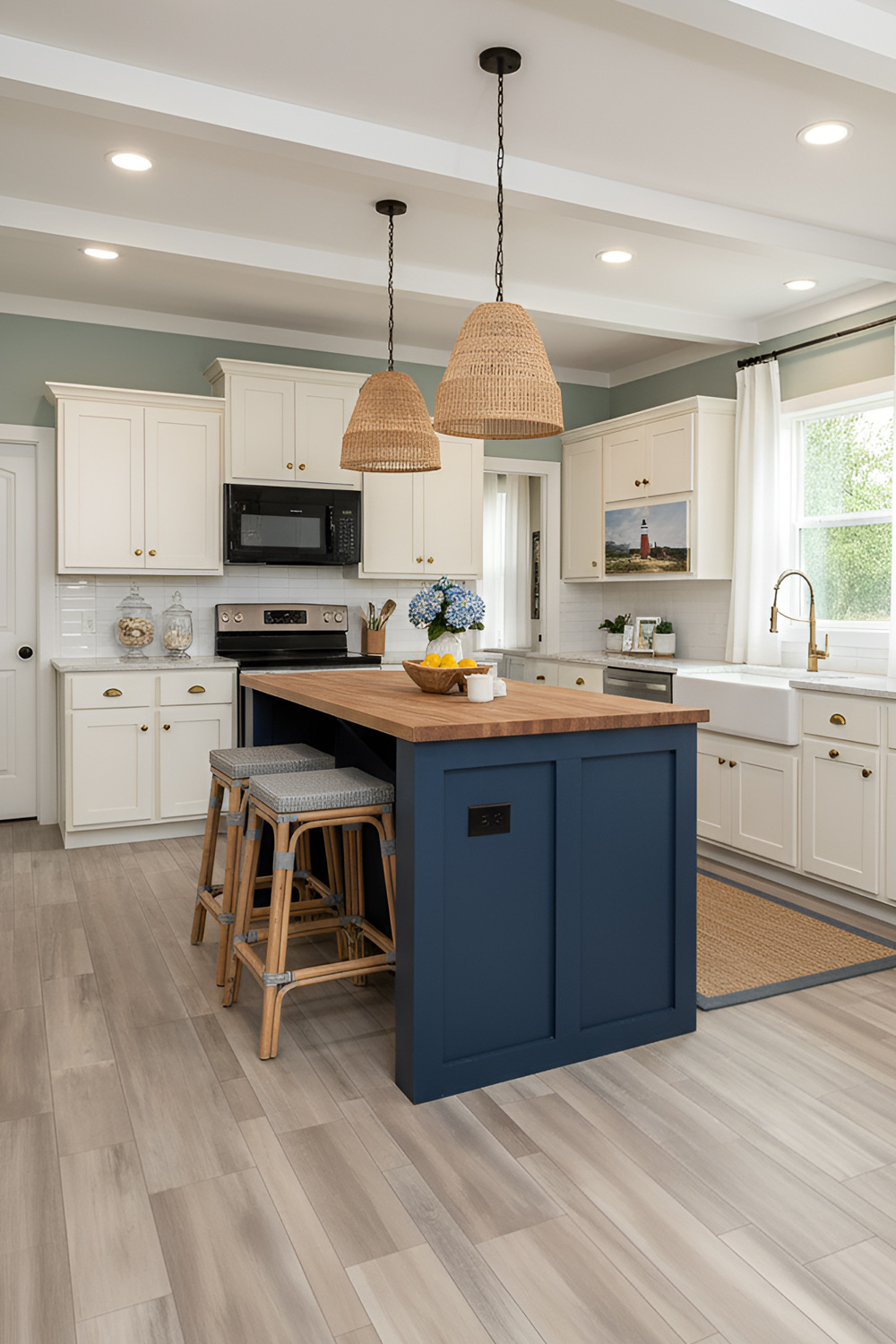
Color can do a lot in a small kitchen. Light shades help walls and cabinets recede. They bounce light and keep the room feeling fresh. That does not mean the kitchen has to feel plain. It just means the palette should stay calm and connected.
Soft white, creamy beige, pale gray, warm greige, muted sage, and dusty blue all work well in a single wide kitchen. You can use the island to bring in contrast. For example, white perimeter cabinets with a soft gray or sage island can look layered and designer-friendly without feeling busy.
Natural wood also helps. It brings warmth and texture, which keeps light kitchens from feeling cold.
Cues to look for:
- Light cabinet colors that reflect light
- A slightly deeper island color for contrast
- Natural wood tones for warmth
- A limited palette for a calm look
- Finishes that feel clean and not too glossy
9. Pick Countertops That Work Hard
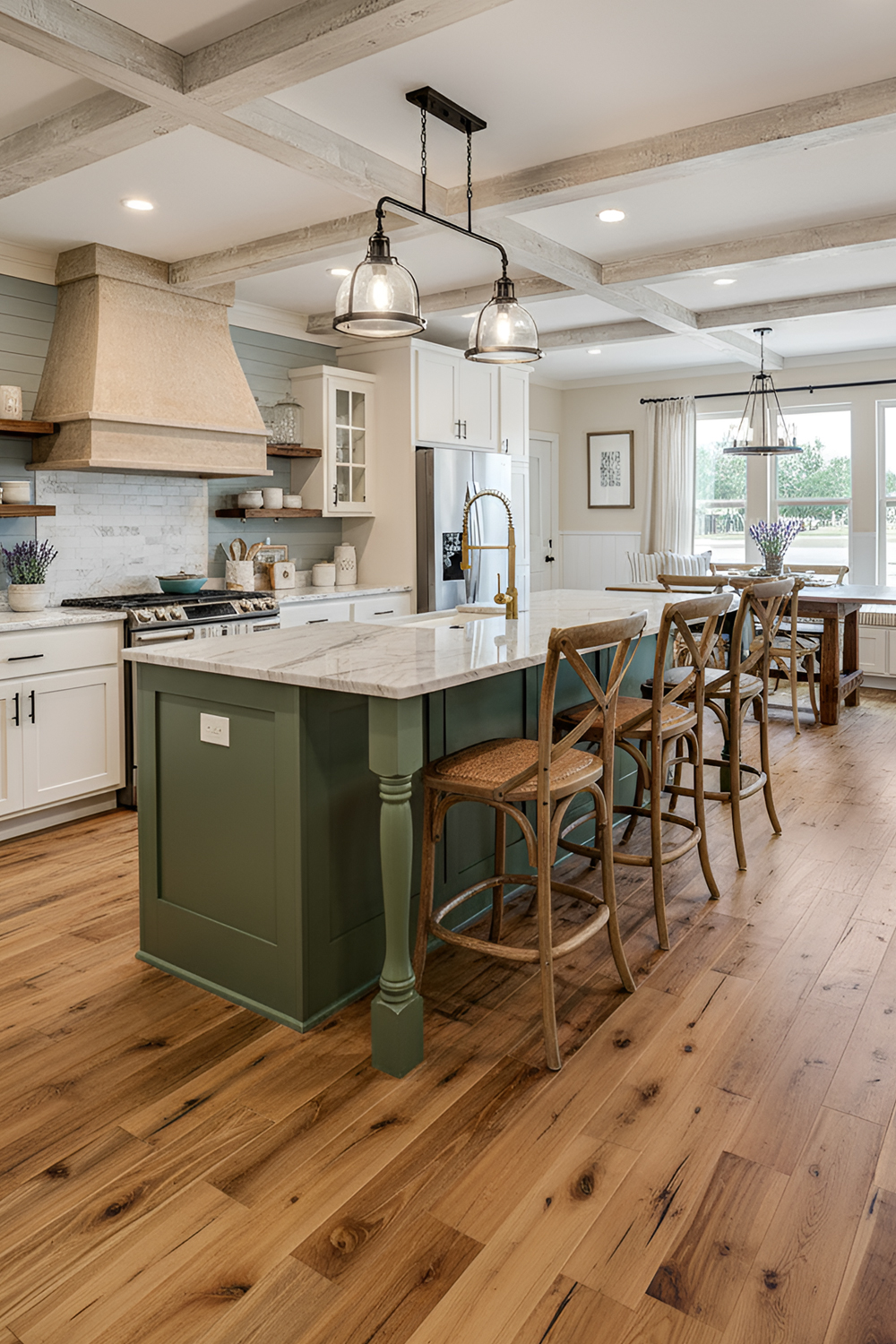
Your island countertop has to look good, but it also has to survive real life. In a small kitchen, the island often becomes the main work zone. That means the surface matters.
Butcher block adds warmth and a welcoming, lived-in feel. Quartz offers a clean, durable surface and can brighten the room. Laminate has come a long way and can be a budget-friendly choice with stylish finishes. If the rest of the kitchen has a simple countertop, using a different material on the island can make it feel special.
Just keep the pattern in check. Busy surfaces can make a small kitchen feel cluttered. Calm tops usually look more spacious.
Cues to look for:
- Durable materials that handle daily use
- Light or medium tones that keep the room open
- A surface that matches your cleaning habits
- Simple patterns over busy veining
- A finish that adds warmth or brightness
10. Light the Island Like a Focal Point
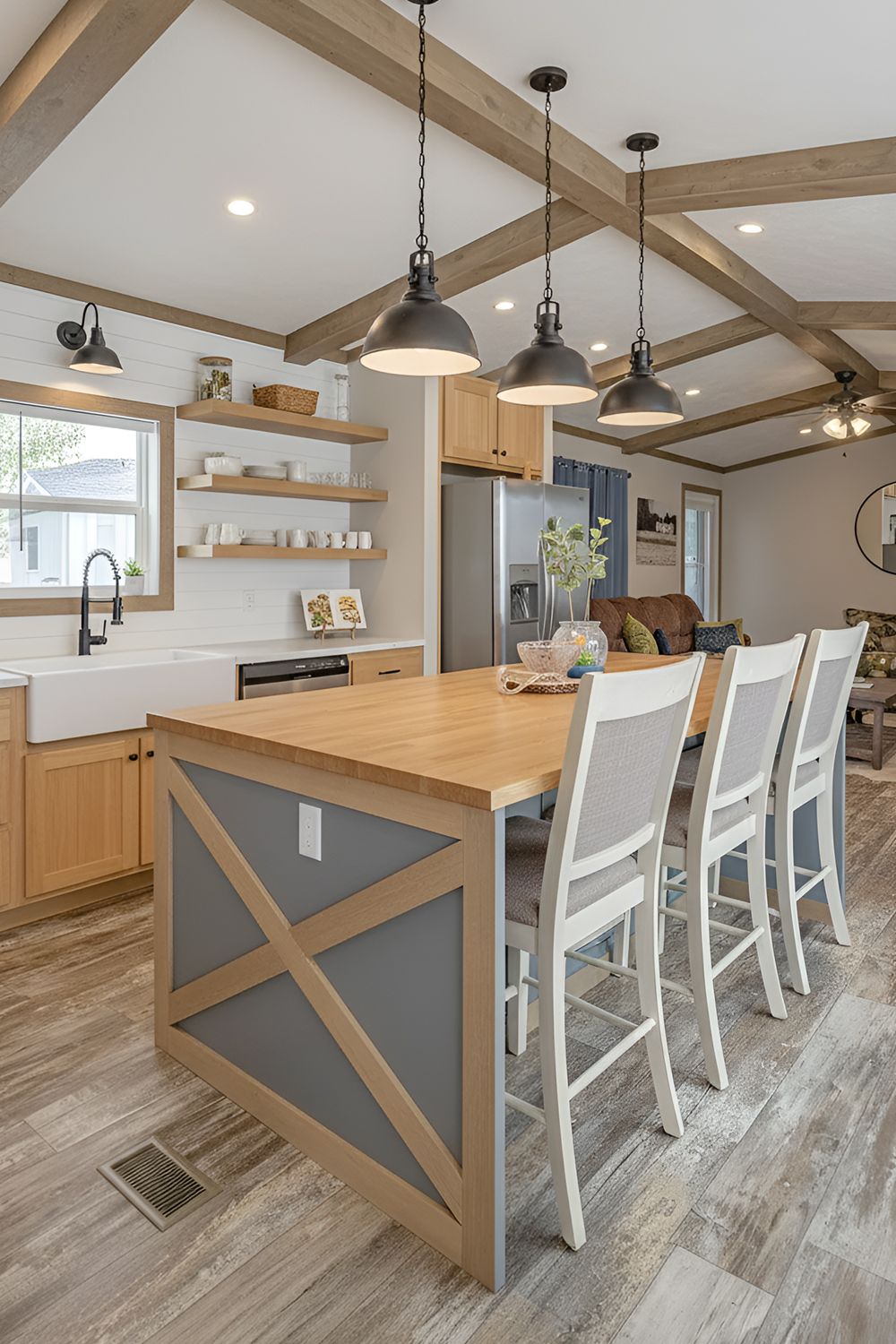
Lighting changes everything. A single wide kitchen can feel flat without it. The island is the perfect place to add a focal point.
Pendant lights work beautifully over an island, but size matters here too. Large fixtures can overwhelm a narrow room. Choose smaller pendants or even one simple fixture that suits the scale. If ceiling height is low, keep the design clean and not too heavy.
Layer the light. Use overhead lighting for general brightness. Add pendants for style and task lighting. Under-cabinet lights can also help the kitchen feel more polished and easier to use.
Cues to look for:
- Fixtures sized for a small room
- Warm light that flatters the space
- Pendants that do not block sightlines
- Layered lighting for work and mood
- Finishes that echo cabinet hardware or faucets
11. Make the Island Match the Kitchen’s Work Zones
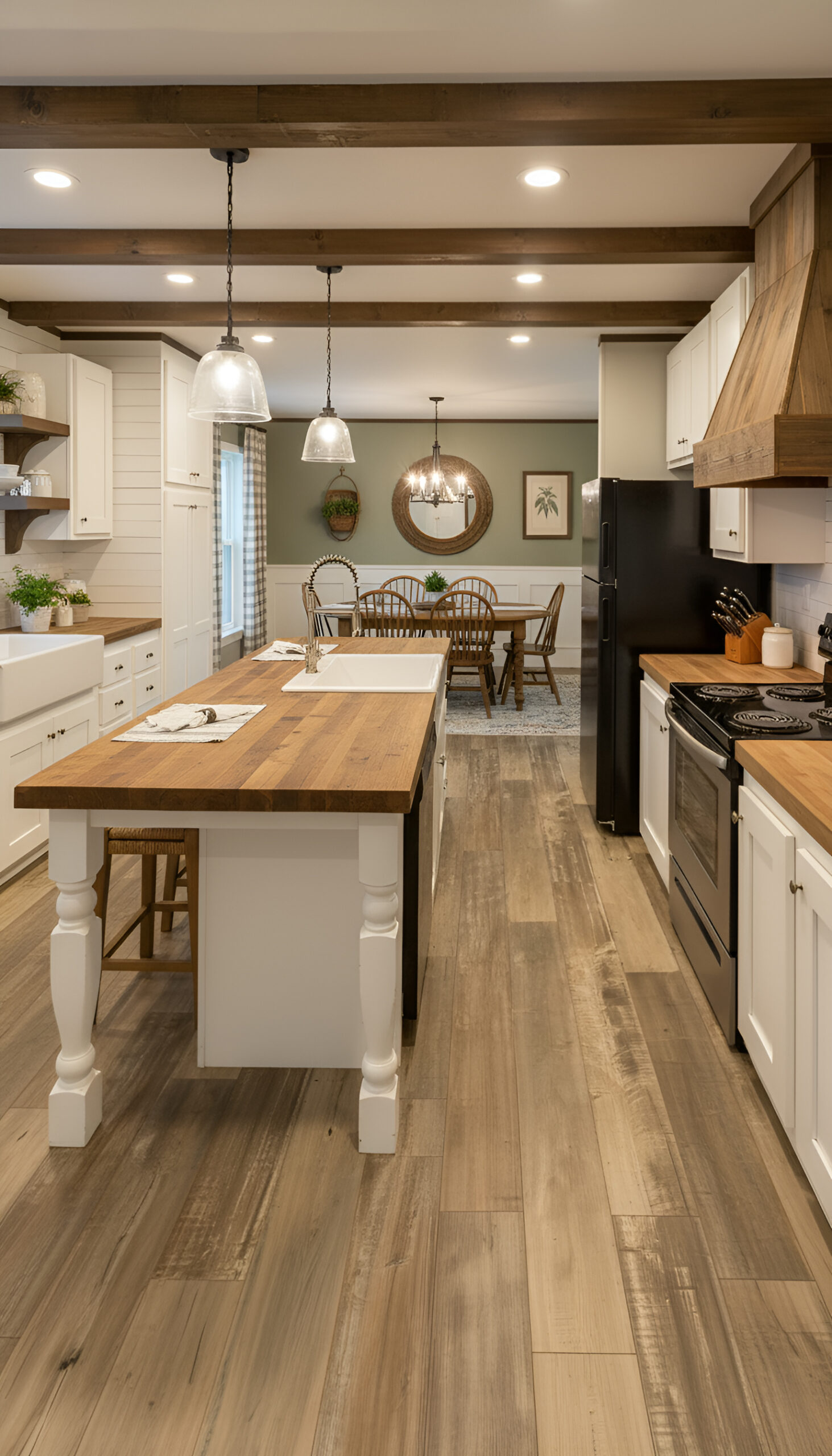
A good kitchen feels easy because the work zones make sense. The island should support those zones, not interrupt them.
If the sink and stove sit on one wall, the island can serve as the main prep surface across from them. If the fridge sits at the end of the kitchen, keep the island far enough away for the door to open easily. If the island includes a microwave shelf or trash pullout, place those features where they help, not where they create traffic jams.
This is where thoughtful design beats trendy design every time.
Cues to look for:
- Prep space close to the sink
- Easy reach from fridge to island
- Storage placed near the task it supports
- Trash and recycling tucked in smartly
- A layout that reduces extra steps
12. Do Not Forget Vertical Space
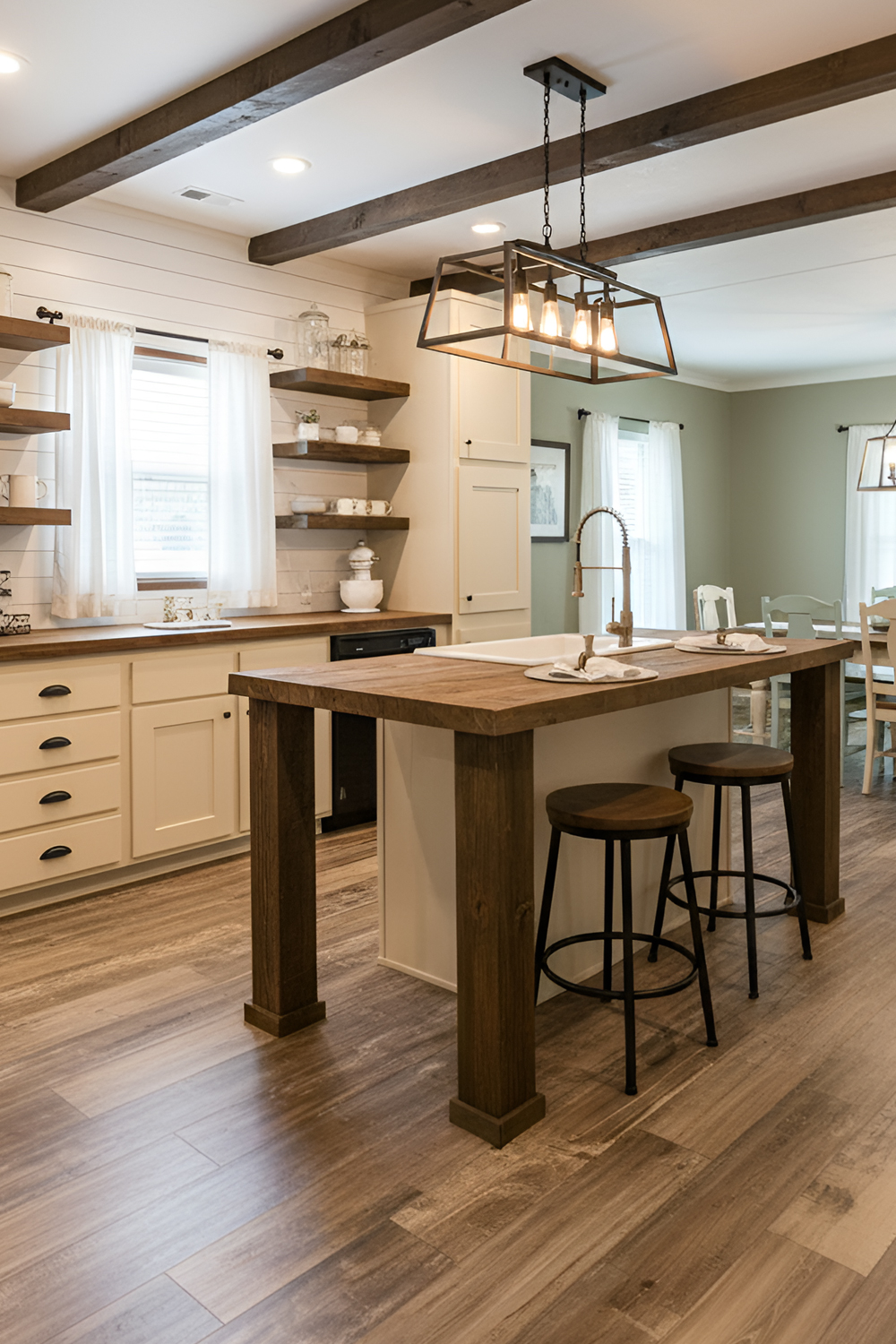
Single wide kitchens often need help above eye level too. Once the island is in place, look up. Vertical storage can balance the room and make the whole kitchen work better.
Tall upper cabinets, floating shelves, wall hooks, rail systems, and even a slim hutch nearby can support the island’s function. If the island stores cookware, the wall can hold dishes. If the island holds pantry goods, the upper cabinets can stay cleaner and more organized.
Using height well makes the room feel intentional.
Cues to look for:
- Cabinets that reach upward
- Open shelves for everyday items
- A mix of closed and open storage
- Vertical elements that draw the eye up
- Wall storage that reduces counter mess
13. Bring in Warm, Homey Style
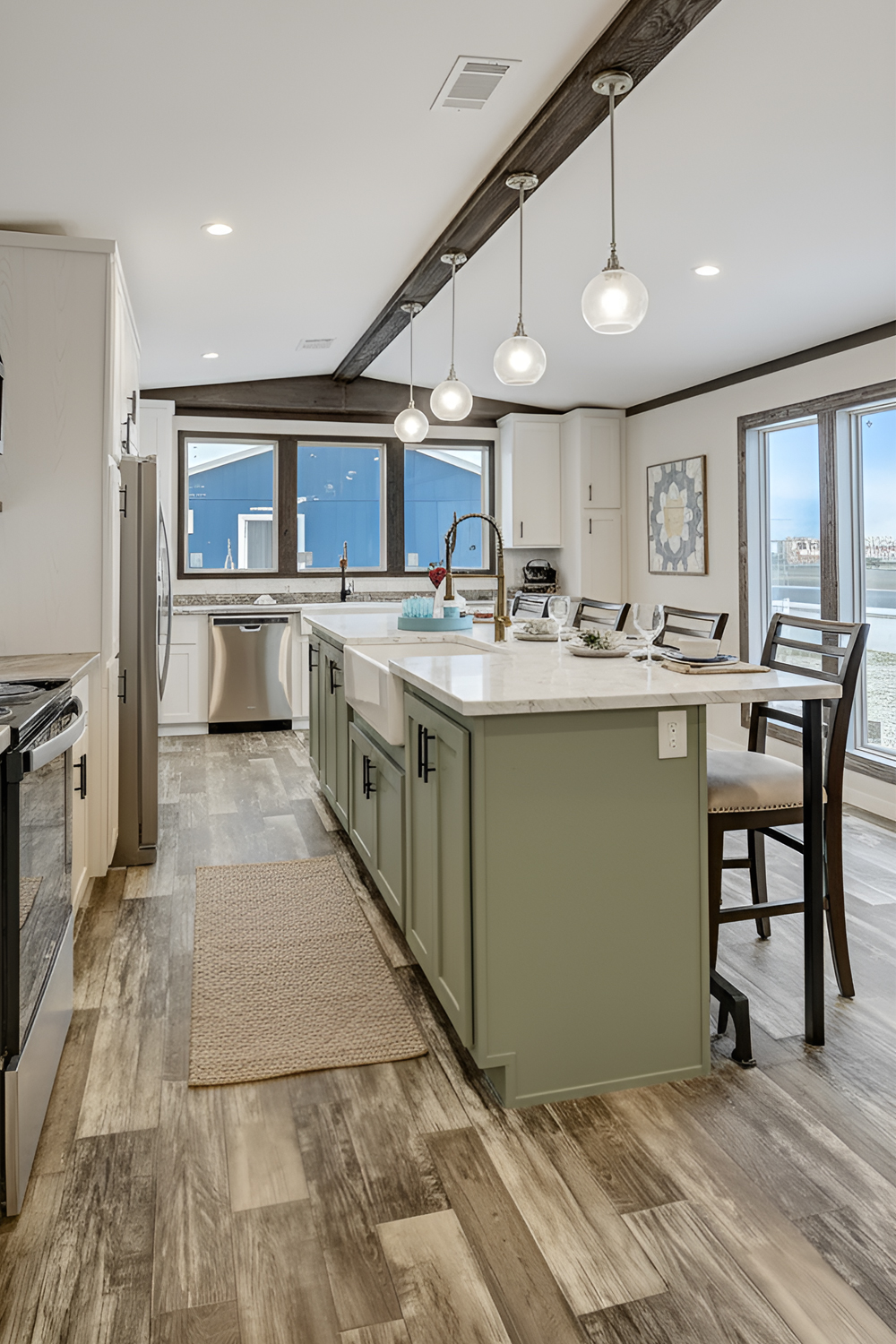
A single wide kitchen with an island should not only work well. It should also feel good. This is where texture and personality come in.
Try woven baskets on the shelves. Add wood cutting boards against the backsplash. Use simple bar stools with a natural finish. Style the island with a small bowl of fruit, a vase of greenery, or a ceramic pitcher. Hang a soft runner if the layout allows. Keep the styling light so the room still feels open.
These little touches make the kitchen feel lived-in and loved.
Cues to look for:
- Natural textures like wood, wicker, and linen
- Decor that feels simple, not crowded
- Functional accents that double as style
- Warm metals or matte black for contrast
- Small touches of greenery for freshness
Avoid These Common Mistakes
Even a pretty kitchen can fall short if the layout misses the basics. In a single wide home, small mistakes show up fast.
Do not choose an island that is too deep. Do not block the stove or fridge. Do not add seating just because it looks nice in a photo. Do not overload the room with dark finishes. And do not forget that the island should fit your life, not just a trend.
When in doubt, go a little smaller, a little lighter, and a little simpler.
Cues to avoid:
- An island that fills too much floor space
- Oversized pendant lights
- Too many stools
- Dark finishes that make the room feel tight
- Storage that looks good but does not solve a real need
Conclusion
A single wide mobile home kitchen may be small, but it can still feel stylish, welcoming, and full of function. The right island can change the whole room. It can give you more space to cook, more room to store what you need, and a better flow for everyday life. When you keep the layout simple, the scale balanced, and the style warm, your kitchen can feel like the heart of the home. Small space really can deliver big charm.