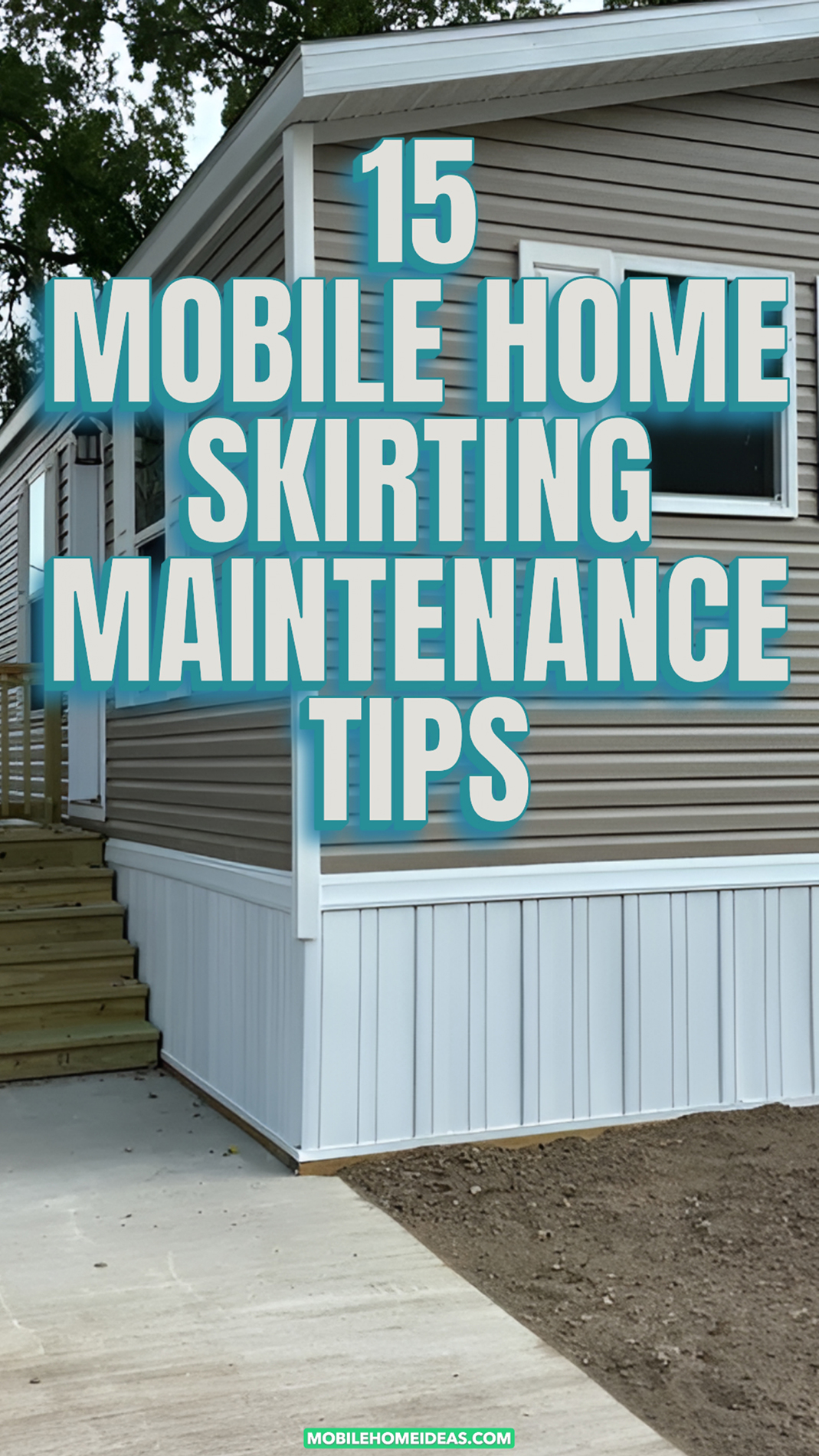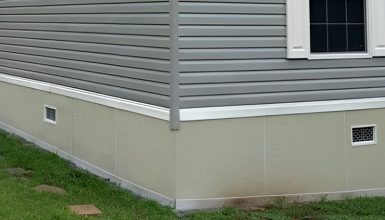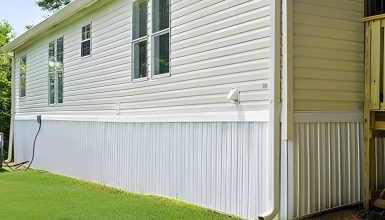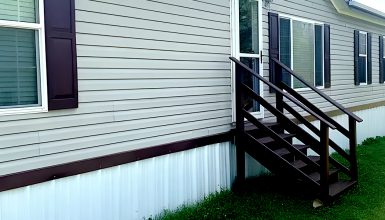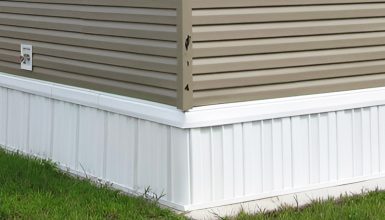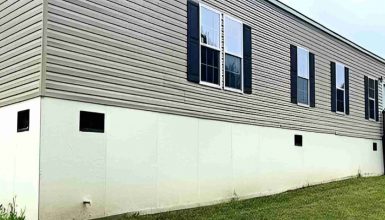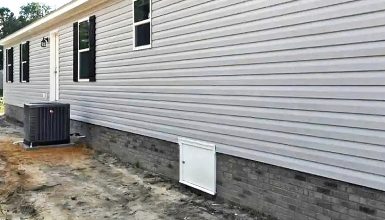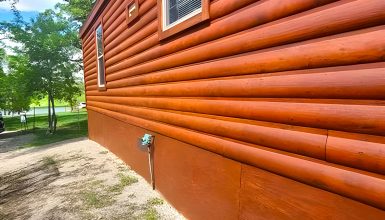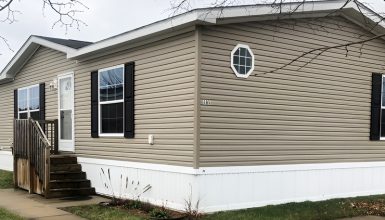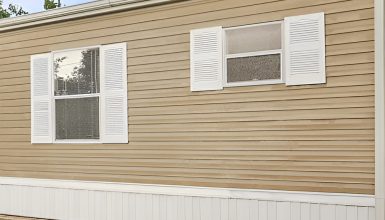
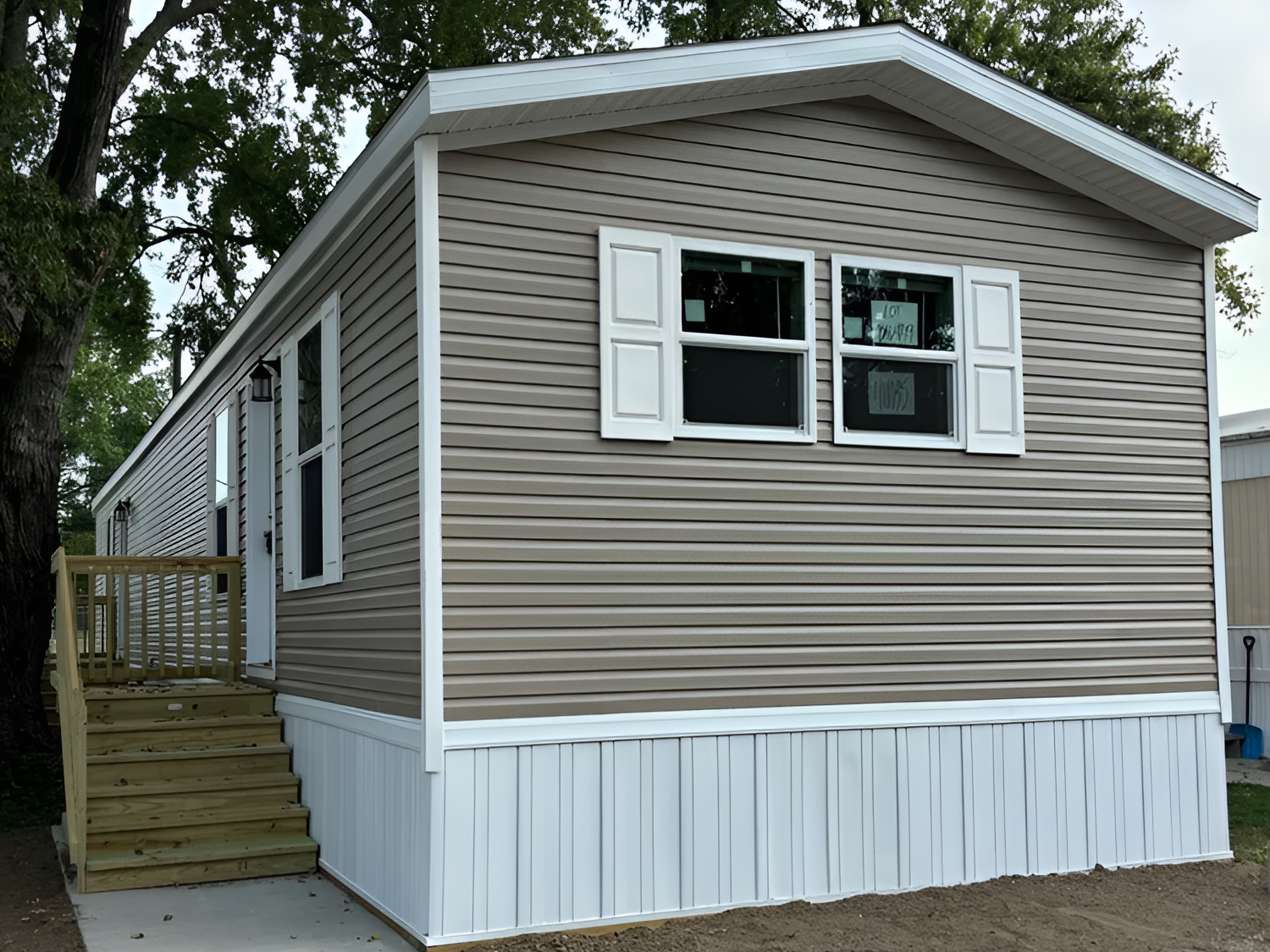
Mobile home skirting does a lot more than fill the space below your home. It helps protect the underside, supports curb appeal, and can even help prevent moisture and pest problems. The good news is that keeping it in good shape does not have to feel hard. With the right habits, you can make your skirting last longer, look cleaner, and help your whole home feel more polished from the ground up.
Below, you will find practical tips, clear cues to watch for, and easy ways to keep your mobile home skirting in strong shape through every season.
1. Walk Around Your Home Often
The first tip is also the easiest.
Walk around your mobile home often and really look at the skirting. A quick lap around the house every few weeks can help you catch small issues before they grow into expensive ones.
Look for loose panels, bowed sections, cracks, dents, stains, missing fasteners, and areas where the skirting no longer sits straight. Pay attention to corners and spots near doors, steps, downspouts, and HVAC units. Those areas often take extra wear.
This habit matters because skirting problems usually start small. A tiny gap may not seem urgent at first. However, that same gap can let in water, insects, cold wind, or even small animals. Over time, one loose section can lead to more damage nearby.
Cues to watch for:
- Panels that rattle in the wind
- Gaps at the bottom edge
- Discoloration or green buildup
- Bent trim or shifting seams
- Soil washing away near the base
Even a five-minute check can tell you a lot. Think of it like checking your roof from the ground. You are not waiting for a major problem. You are staying ahead of one.
2. Keep the Area Around the Skirting Clean
Skirting lasts longer when the area around it stays neat.
Leaves, weeds, mulch piles, wet grass clippings, and stacked items can all trap moisture against the skirting. That constant dampness can stain the surface, speed up wear, and create a cozy place for bugs.
Try to keep a clear border around the base of your home. You do not need a huge empty strip, but a little breathing room helps. Trim grass regularly. Pull weeds before they get tall. Remove leaves after storms. Avoid leaning wood, tools, planters, or spare materials directly against the panels.
This simple step also helps you inspect the skirting more easily. You can spot cracks and holes faster when the area is not hidden by overgrowth.
Helpful cues:
- Grass touching the panels
- Vines climbing across the skirting
- Mulch piled too high
- Wet leaves packed in corners
- Stored items creating hidden dark spots
A clean edge makes the home look sharper too. It gives the whole exterior a tidier, more polished feel.
3. Wash Dirt and Stains Before They Build Up
Skirting can collect a surprising amount of grime.
Rain splash, mud, lawn debris, dust, and mildew often settle along the lower sections. Over time, that buildup can make even good skirting look old and neglected.
Wash it gently a few times a year. For many materials, a garden hose, a soft brush, and mild soap work well. Start with the least aggressive method. In most cases, you do not need anything harsh.
If you use a pressure washer, be careful. Too much force can crack panels, loosen trim, or drive water into seams. A soft rinse is usually safer than a hard blast.
Focus on areas near garden beds, splash zones, and shaded sides of the home. Those spots often get dirty faster.
Good cleaning cues include:
- Brown splash marks after rain
- Green algae in shady areas
- Spider webs and dust buildup
- Dark streaks under vents
- Chalky film or dull finish
A clean surface not only looks better. It also makes damage easier to spot.
4. Check for Cracks, Holes, and Loose Panels Right Away
Small damage rarely stays small.
A crack in one panel may let in water. A missing screw may allow a section to flap in strong wind. A small hole can become an open invitation for rodents.
That is why fast action matters. The moment you notice a problem, put it on your repair list. Many minor issues are easy to fix if you catch them early.
Different materials need different repair methods. Vinyl may need a replacement panel or patch. Metal may need re-fastening or rust treatment. Composite or cement-style panels may need sealant or section repair. Always match the fix to the material.
Cues that call for quick repair:
- One section pulling away from the frame
- A visible puncture or split
- Panels shifting after a storm
- Trim pieces that no longer line up
- Fasteners backing out
Do not ignore “just one panel.” Skirting works as a system. When one part fails, nearby sections often take on more stress.
5. Make Sure Ventilation Openings Stay Clear
Mobile home skirting should not completely seal off the underside of the home.
That space needs airflow. Proper ventilation helps reduce trapped moisture and lowers the chance of mold, mildew, wood rot, and damp insulation. Vents also help regulate conditions under the home throughout the year.
Check your skirting vents often. Make sure they are not blocked by dirt, plants, trash, mulch, or nests. If your skirting has removable vent covers or screens, inspect those too.
This matters even more after storms, yard work, or seasonal cleanup. Debris can pile up fast without you noticing.
Look for these cues:
- Dirt packed into vent openings
- Insect nests or cobwebs
- Plants growing over the vents
- Damp smell near the crawl space
- Condensation or musty air under the home
Good airflow is one of the quiet heroes of a healthy mobile home foundation area.
6. Watch for Signs of Moisture Trouble
Moisture is one of the biggest threats to skirting and to the space under your home.
Sometimes the skirting itself is not the first problem. Instead, it shows you that water is collecting where it should not. You may see mildew, soft ground, rust, staining, warped panels, or a musty smell.
Start by checking where the water is coming from. It could be a leaking hose bib, poor drainage, clogged gutters, short downspouts, or soil that slopes toward the home instead of away from it.
When water keeps pooling near the skirting, the material can wear faster. At the same time, the crawl space underneath may stay damp longer than it should.
Moisture cues include:
- Muddy areas that never seem to dry
- Stained or warped skirting panels
- Moldy smell near access doors
- Rust on metal parts
- Green growth along the lower edge
If you notice these signs, do not just clean the surface. Fix the water source too.
7. Improve Drainage Around the Home
Good drainage protects more than your yard. It protects your skirting too.
When rainwater runs toward the home, it can splash mud onto the panels, soften the soil below them, and create wet conditions that lead to decay or movement. Over time, poor drainage may also affect the ground beneath the skirting, causing uneven settling.
Check that the ground slopes away from your home. Extend downspouts if they dump water too close to the base. Avoid flower beds that trap water against the perimeter. If needed, add gravel in splash-heavy areas to reduce mud.
Smart drainage cues:
- Soil erosion below panels
- Puddles after light rain
- Splash marks in the same spots
- Soggy planting beds along the home
- Washouts near corners or steps
A dry perimeter helps the skirting stay cleaner, stronger, and more stable.
8. Keep Pests From Moving In
Skirting creates a sheltered area under the home. Sadly, pests love sheltered areas.
Mice, rats, snakes, insects, stray cats, and other small animals may try to get underneath if they find an opening. Once they get in, they can damage insulation, wiring, ducts, and more.
Check for gaps, missing panels, open corners, and broken vent screens. Also look for signs of activity such as droppings, burrows, nesting material, or chewed edges.
Do not forget the access panel. It should close securely and fit tightly.
Warning cues:
- Dirt tunnels near the base
- Scratching sounds under the home
- Gnawed vent covers
- Nesting debris near openings
- Strong animal odor
If you see signs of pests, repair the entry point and deal with the infestation quickly. Otherwise, new visitors may keep showing up.
9. Protect the Access Panel and Use It Properly
Every mobile home with skirting needs a way to reach the area underneath.
That access panel is important, but it is also a common weak point. If it hangs crooked, does not latch well, or gets damaged, it can let in water and animals. It may also become harder to open when you actually need it.
Inspect the frame, hinges, latch, and surrounding trim. Make sure the door opens smoothly and closes firmly. Keep the area in front of it clear so you can reach it fast if plumbing or utility work is needed.
Helpful cues:
- Door no longer sits flush
- Latch feels loose
- Bottom edge drags on the ground
- Frame looks warped
- Gaps show around the perimeter
Treat the access panel like any other exterior entry. It should be strong, clean, and secure.
10. Be Gentle With Lawn Equipment Nearby
A lot of skirting damage happens during normal yard work.
Lawn mowers, weed trimmers, shovels, and string trimmers can chip, crack, dent, or scratch panels. Gravel thrown by mower blades can do the same thing. Even repeated bumping can loosen lower sections over time.
Try to create a maintenance-friendly edge around the home. A narrow border of stone, pavers, or tidy mulch can help reduce direct contact with equipment. Slow down when trimming close to the skirting. Better yet, use hand tools in delicate spots.
Damage cues caused by yard work:
- Repeated scuff marks
- Cracked bottom corners
- Dents at mower height
- Chips around landscaping edges
- Trim knocked loose near tight corners
A little care during lawn work can save a lot of cosmetic repair later.
11. Repaint, Refinish, or Refresh When Needed
Some skirting materials need occasional finishing work to stay attractive and protected.
Painted skirting may fade, peel, or chip. Metal skirting may need rust treatment. Faux masonry or cement-style panels may need touch-up coating or sealing depending on the product. Even vinyl may benefit from a good cleaning and trim refresh to keep it looking bright.
Do not wait until the finish looks fully worn out. Refreshing early usually gives better results and helps protect the surface underneath.
Look for these cues:
- Faded color on sunny sides
- Peeling paint
- Exposed raw spots
- Rusty patches
- Uneven finish from old repairs
Freshening the finish can make the whole mobile home look newer. It is one of those small upgrades that creates a big visual payoff.
12. Check After Every Storm or Strong Wind
Bad weather can do a number on skirting.
Heavy rain can wash out soil. Wind can loosen panels. Hail can dent certain materials. Flying debris can crack or puncture sections near corners and exposed sides.
After a storm, walk the perimeter and inspect the skirting as soon as it is safe. You are looking for anything that shifted, bent, broke, or opened up.
Post-storm cues:
- Panels no longer aligned
- Loose bottom track
- Debris impact marks
- Mud packed against the skirting
- Missing vent covers or trim
Fast post-storm checks help you fix damage before the next round of weather makes it worse.
13. Pay Attention to Seasonal Changes
Each season affects skirting in a different way.
Spring often brings rain, mud, and fast-growing weeds. Summer can bake and fade some materials. Fall drops leaves that trap moisture. Winter may cause freezing, shifting soil, and brittle panels in colder climates.
That is why it helps to think in seasonal routines instead of waiting for obvious damage.
A simple seasonal pattern might look like this:
- Spring: clean, inspect, clear vents, fix winter damage
- Summer: wash, trim plants, check for fading and pests
- Fall: remove leaves, inspect drainage, secure loose sections
- Winter: check for drafts, storm damage, and access issues
Seasonal cues matter because the problems often change before the homeowner notices. A little calendar-based care keeps you one step ahead.
14. Know When to Replace a Section Instead of Patching It
Not every problem needs a full skirting replacement. However, not every problem can be patched either.
If a panel is badly cracked, warped, rusted through, or repeatedly coming loose, replacement may be the better choice. The same goes for sections that no longer match the surrounding structure or cannot hold a repair securely.
Patching makes sense for minor damage. Replacement makes sense when the strength or look of the skirting has clearly broken down.
Signs replacement may be better:
- Large broken sections
- Warping that keeps returning
- Severe fading or brittle material
- Repeated pest entry through the same area
- Multiple repairs clustered together
A clean new section often looks better and performs better than several small patch jobs piled on top of each other.
15. Treat Skirting as Part of Your Home’s Curb Appeal
This final tip is about mindset.
Many homeowners treat skirting like a purely functional feature. Yes, it is practical. However, it also plays a huge role in how the home looks from the street. When it is straight, clean, and well-kept, it helps the whole property feel more finished.
Think of it as the visual base of your home. Just like a good frame supports a picture, good skirting supports the look of your exterior. It connects the home to the ground. It can help landscaping look more intentional. It can even make a modest mobile home feel far more polished.
Curb appeal cues:
- Skirting color clashes with the siding
- Dirt or stains drag down the exterior
- One damaged corner catches the eye
- Overgrown plants hide the base
- Fresh skirting makes the porch and yard look better too
When you care for the skirting, you are not just maintaining a barrier. You are improving the whole appearance of the home.
Easy Maintenance Routine to Follow
If all of this feels like a lot, do not worry. Mobile home skirting maintenance becomes much easier when you break it into small habits.
A simple routine might look like this:
Every month:
Check for loose panels, gaps, weeds, and obvious damage.
Every season:
Wash the skirting, clear vent openings, inspect drainage, and look for signs of pests or moisture.
After storms:
Walk the perimeter and look for shifted panels, impact damage, or soil washout.
Once a year:
Review the finish, inspect the access panel, and decide if any sections need a more serious repair or replacement.
That is it. You do not need a huge budget or a complicated checklist. You just need consistency.
Smart Cues That Tell You It Is Time to Act
Sometimes homeowners wait because they are not sure what counts as “bad enough.” Here are a few signals that mean the skirting needs attention soon:
- A musty smell under or around the home
- Visible gaps large enough for animals
- Cracks that keep spreading
- Pooling water after rain
- Panels that shake in light wind
- Mold, algae, or rust that keeps returning
- A crooked access door
- Warping, sagging, or repeated shifting
If you spot any of these, do not put it off. Skirting problems rarely fix themselves.
Why This Maintenance Is Worth It
Taking care of mobile home skirting may not feel glamorous. It is not as exciting as a new porch, fresh shutters, or updated landscaping. Still, it is one of those smart homeowner tasks that pays off quietly in the background.
It helps protect the space under your home. It supports a cleaner, tidier exterior. It helps you spot moisture and pest problems earlier. And perhaps best of all, it helps your mobile home feel well loved.
That matters.
Because a home does not need to be huge or fancy to look beautiful. It just needs care. And often, that care shows up in the little things. A straight panel. A clean edge. A vent that works. A dry, solid base that tells everyone this home is looked after.
So the next time you walk around your property, do not skip over the skirting. Give it a second look. A few simple fixes today can help your home stay stronger, neater, and more inviting for years to come.