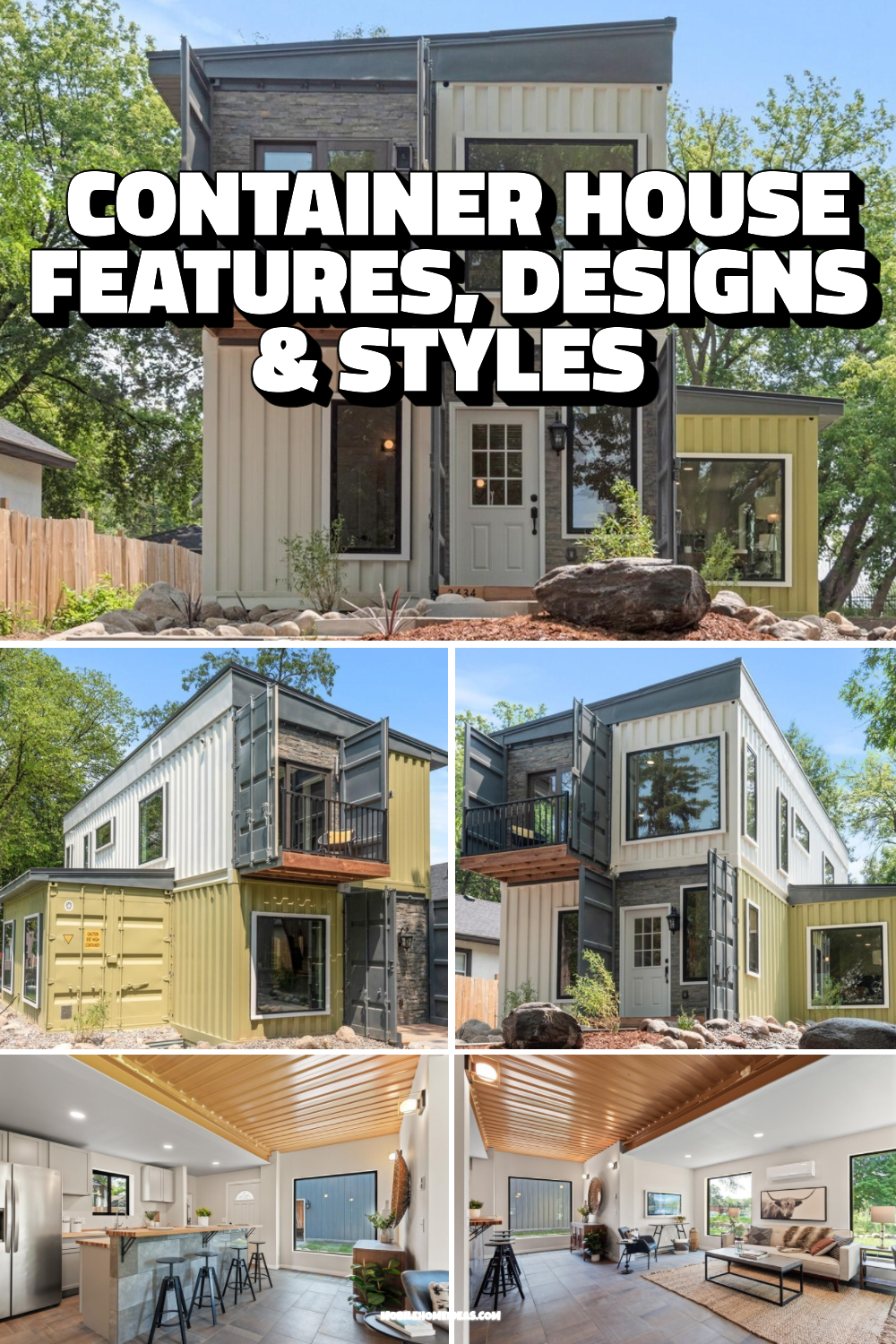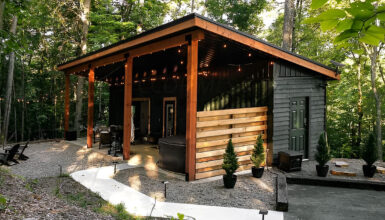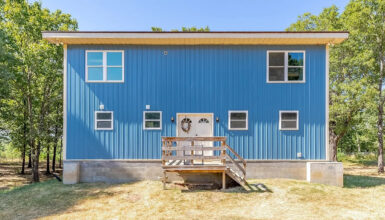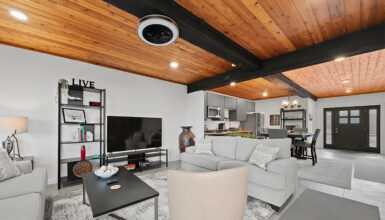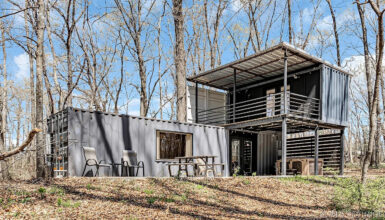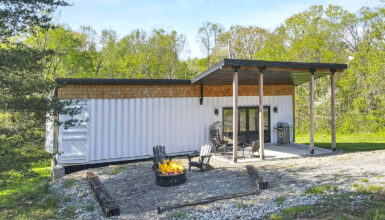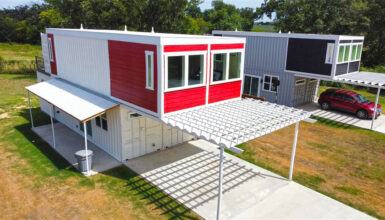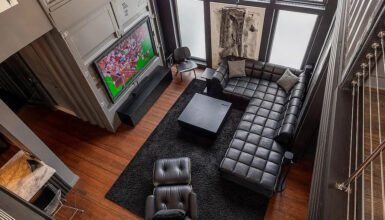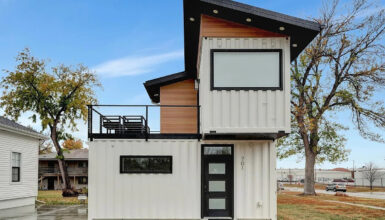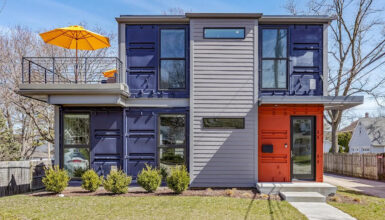
Have you ever looked at a big metal box and thought, “I could live in that”? It sounds a bit wild, but that’s exactly what more and more people are doing. Container homes are turning heads everywhere, from city neighborhoods to peaceful countryside fields. These homes are stylish, sturdy, and surprisingly full of charm. So, how did we go from stacking cargo on ships to building cozy homes out of containers? Let’s jump into the story, explore the best features, and spot the clues that make a container house stand out.
The Birth of the Shipping Container
Back in the 1950s, the shipping container changed the world of business. Inventor Malcolm McLean wanted to make moving stuff easier and faster. Before his idea, workers loaded and unloaded ships by hand, crate by crate. It took forever! McLean’s steel boxes could be loaded, locked, and lifted onto ships, trains, and trucks with ease. Trade boomed, and goods zipped around the globe.
What Happens When Containers Get Old?
Fast forward a few decades. As world trade kept growing, ports filled up with used containers. Shipping companies tossed them aside when newer models came in. These leftover boxes were strong, watertight, and waiting for a second chance. Some clever people saw their potential. Why not turn them into buildings?
The First Experiments
By the 1980s and 1990s, architects and builders were stacking containers together. Some became offices or workshops. Others turned into artist studios or little cabins. But the biggest leap came in the 2000s, when creative designers started building real homes out of containers. Magazines, TV shows, and social media all jumped on the trend. Soon, container houses were showing up everywhere—from backyard hideaways to city apartments.
Why Do People Love Container Homes?
Easy on the Wallet
One big reason is price. Used shipping containers can be bought for less than the cost of wood or bricks. Turning them into homes is often quicker and cheaper than building the old-fashioned way. You don’t need a huge crew, and you can finish faster. If you want a place to live without breaking the bank, container homes make sense.
Good for the Planet
Building with containers means you’re recycling. Instead of letting metal boxes rust, you’re giving them new life. Many people also add green upgrades like solar panels and rainwater tanks. This makes a container home a great choice for folks who care about the environment.
Built Tough
Shipping containers travel across oceans and through wild weather. They are made to handle big storms and heavy loads. When you use them to build a house, you get a sturdy frame that’s hard to beat. With the right work, a container home can last for decades.
Flexible and Fun
You can stack, join, or cut containers into all sorts of shapes. Some homes are made from just one box. Others use five, ten, or even more! Want a second story? Just add more containers on top. Moving to a new place? In some cases, you can even pick up your home and take it with you.
Standout Style
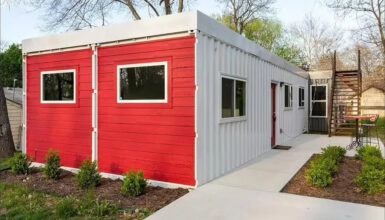
Let’s be honest—container homes look cool. The bold lines, metal walls, and modern vibe make every house special. Some people keep the steel look, while others cover it with wood or bright paint. No two container homes are ever quite the same.
The Top Features of a Container Home
Steel Frame
Every container house starts with a steel box. Most are 20 or 40 feet long and about 8 feet wide. The steel frame is super strong, giving you a safe and sturdy shell. The grooved, wavy walls add a touch of texture and style.
Modular Magic
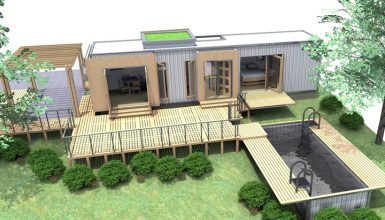
The best thing about containers? They fit together like giant building blocks. You can put them side by side, stack them, or set them in a row. Some homes use just one box for a tiny retreat. Others stack many together for a bigger space. You can even make courtyards and terraces in between!
Bright and Airy Interiors
Containers are narrow, so smart designers add big windows and doors. Glass walls, sliding doors, and skylights help bring in natural light. This makes even the smallest homes feel open and welcoming.
Cozy Comfort
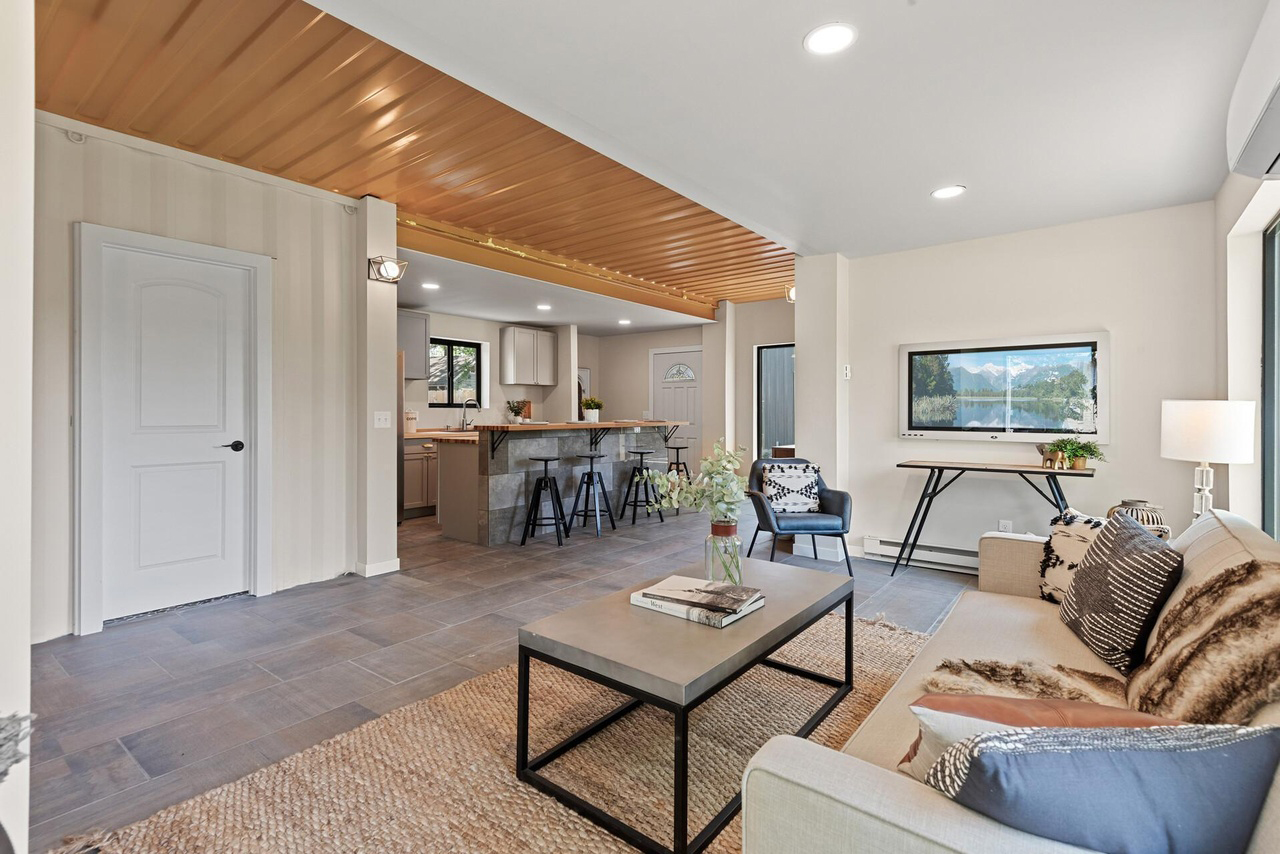
Steel is strong, but it doesn’t keep heat or cold out. That’s why every good container home has plenty of insulation. Builders use foam, wool, or special panels to keep the inside just right. Some people add mini split air conditioning units or electric heaters for extra comfort.
Clever Use of Space
Container homes make every inch count. Built-in shelves, hidden storage, and fold-down beds are common. Lofts are often used for sleeping, freeing up space for living or working. Some homes even tuck bathrooms or kitchens into the ends of the box.
Creative Exteriors
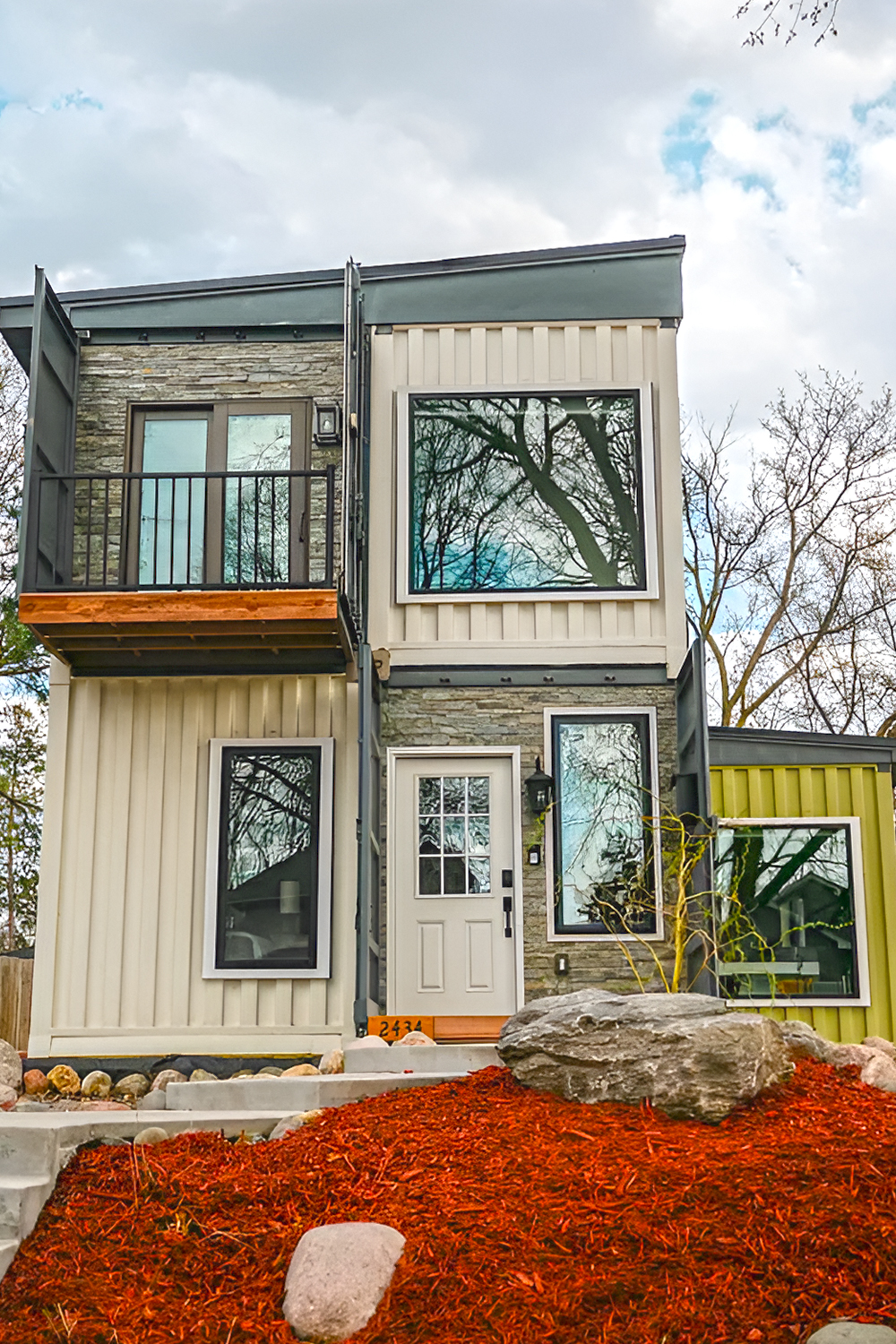
The outside of a container home is like a blank canvas. Some owners love the raw, industrial steel look. Others add wood panels, stone, or stucco for a softer touch. Decks, patios, and even rooftop gardens are popular upgrades.
Off-Grid Ready
Many people build container homes in the country or in places without city utilities. These homes often use solar power, composting toilets, and water tanks. Their small size and strong frame make them perfect for remote locations.
How to Spot a Container House: Key Cues
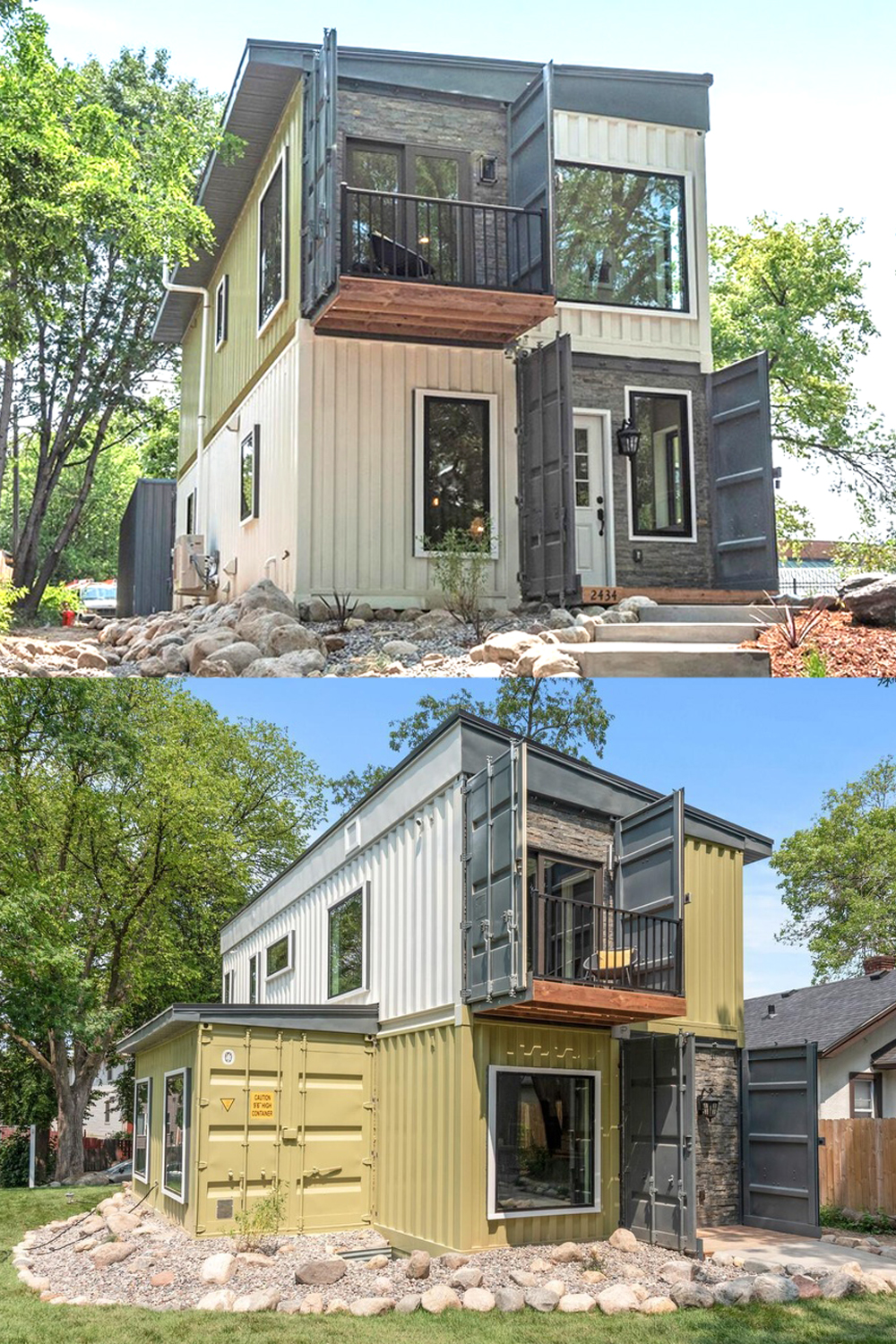
Ever wondered if a home you’re looking at was once a shipping container? Here’s what to look for:
Corrugated Steel Walls
Those grooved, wavy metal walls are hard to miss. Even if a house is painted or partly covered, the original texture usually shows somewhere.
Boxy, Rectangular Shape
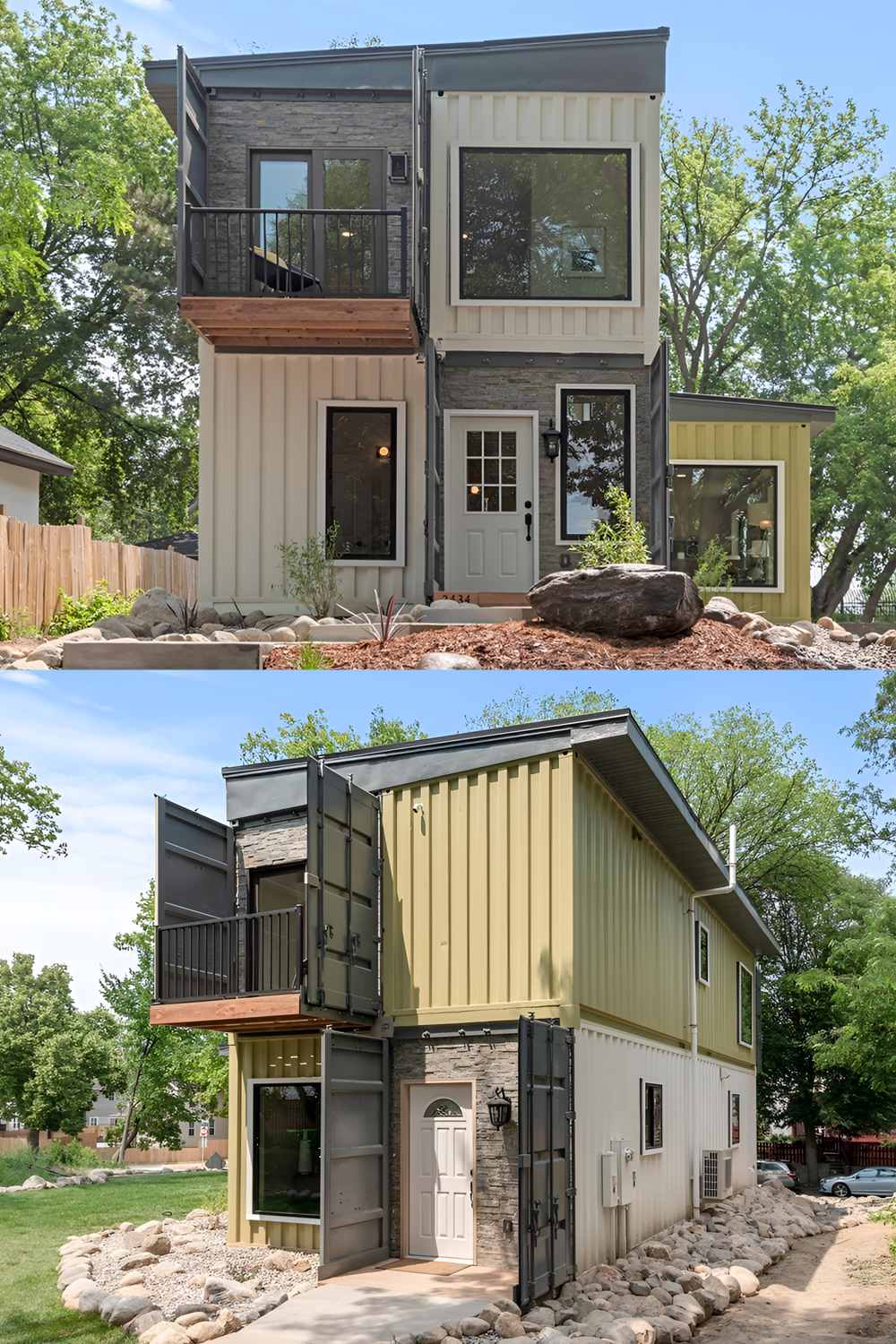
Container homes are famous for their straight lines and crisp corners. Most have a long, box-like form. Some stack on top of each other, creating cool multi-story shapes.
Chunky Metal Corners
Shipping containers have thick, reinforced corners called castings. They’re made for lifting and stacking. Some homeowners leave these exposed, making them a fun design feature.
Standard Sizes
Most containers are either 20 or 40 feet long. When you see a home with a very regular, boxy shape, it’s often built from these standard pieces.
Heavy-Duty Doors and Locks
Some homes keep the original cargo doors and metal latches. These add an industrial vibe and remind you of the building’s history.
Flat Roofs
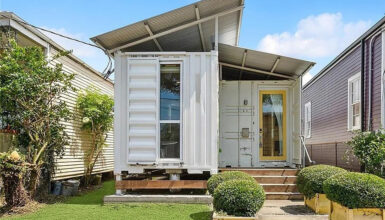
A container’s roof is usually flat. Some people add sloped roofs or rooftop decks, but the flat top is a giveaway.
Mixed Materials
You’ll often see containers mixed with other materials—wood, glass, and metal panels are common. This blend gives container homes a modern, playful style.
Container Home Design Inside and Out
Outside Styles
City Cool:
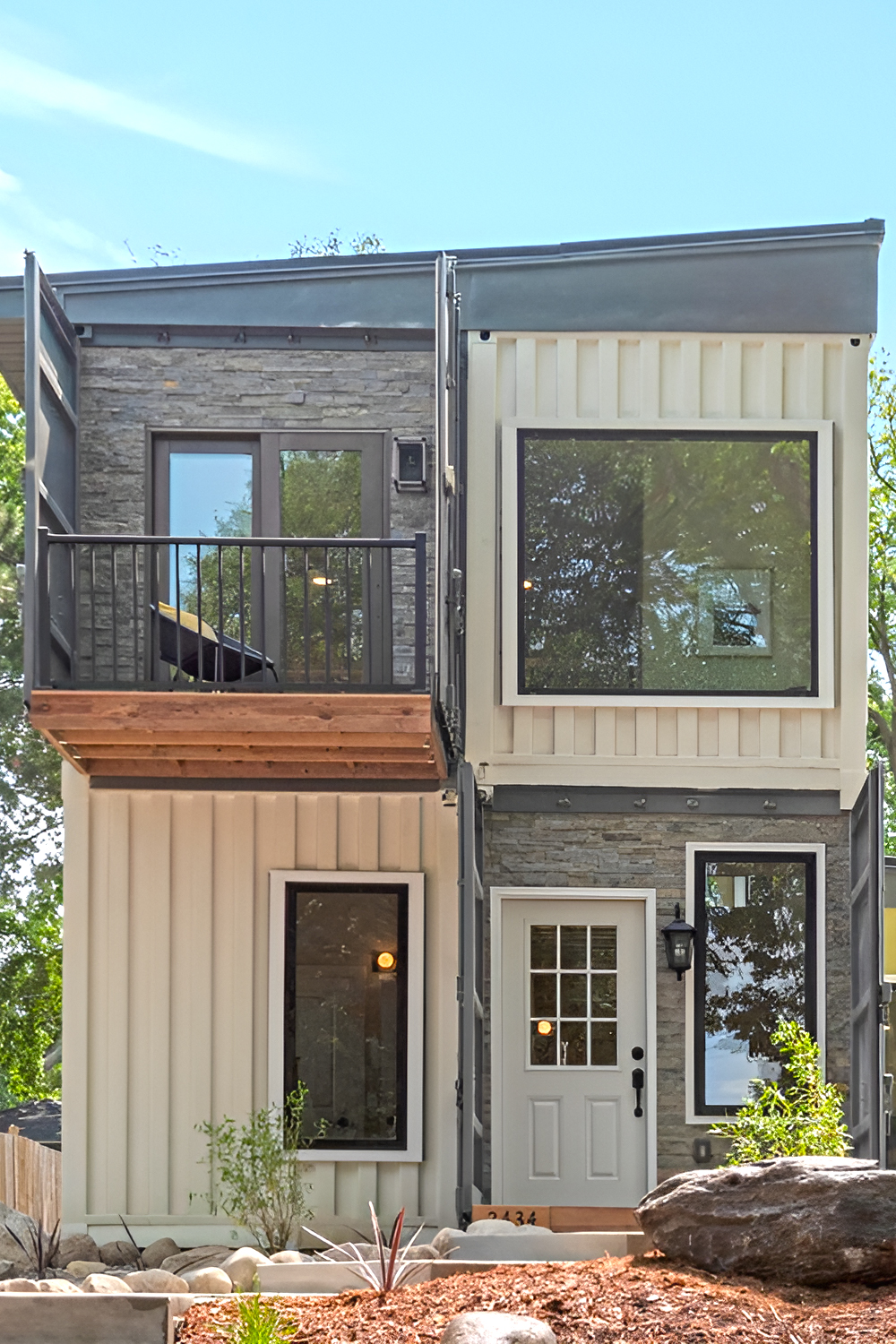
Urban container homes often show off their steel with bold colors or murals. Glass walls and metal railings keep things sleek.
Country Charm:
Rural designs might use wood siding, stone steps, or big porches to blend with nature. Some owners plant gardens on the roof!
Minimal and Modern:
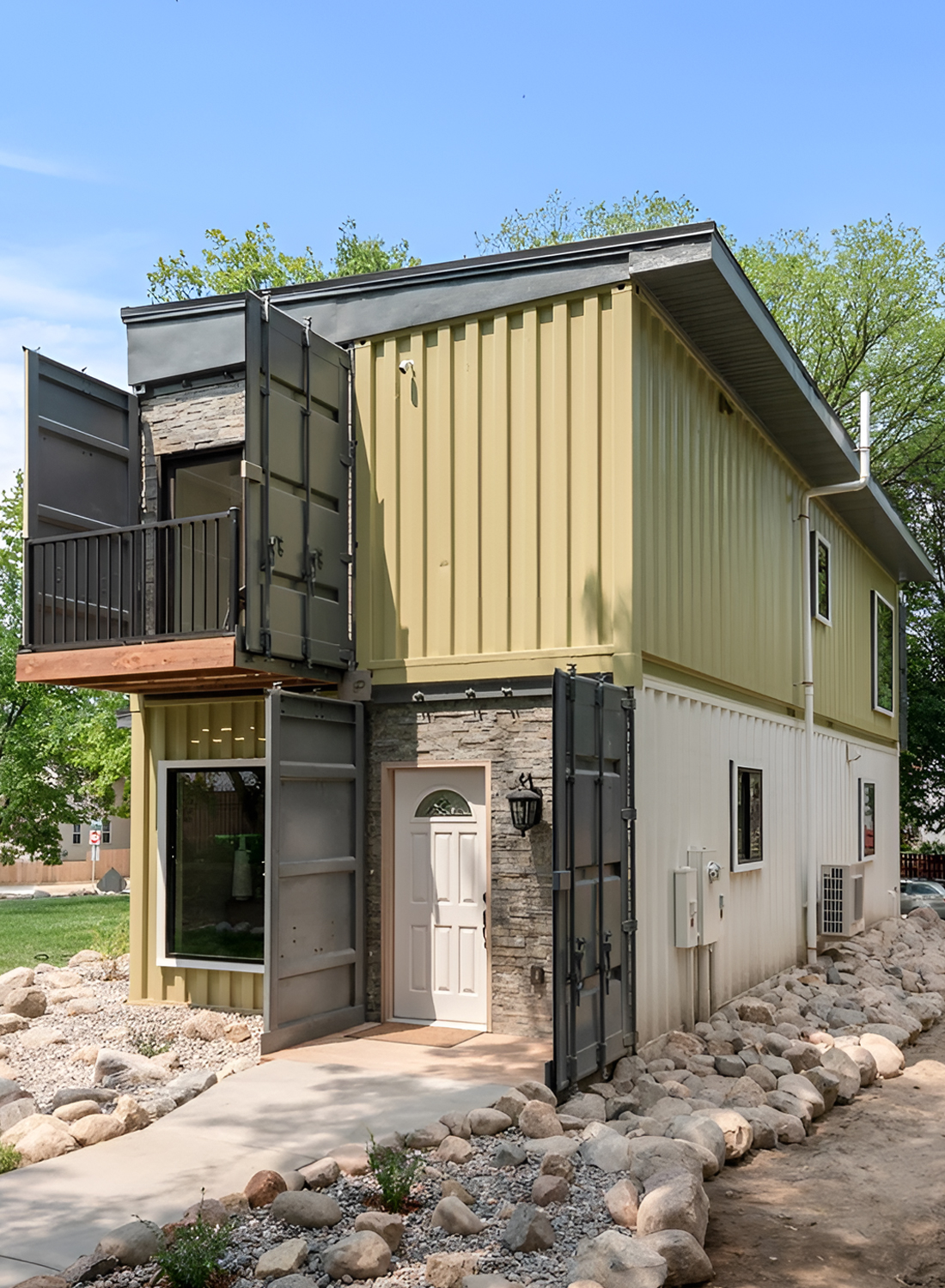
Fans of simple living often go for clean lines, pale colors, and big windows. Less clutter makes these homes feel even bigger.
Inside Styles
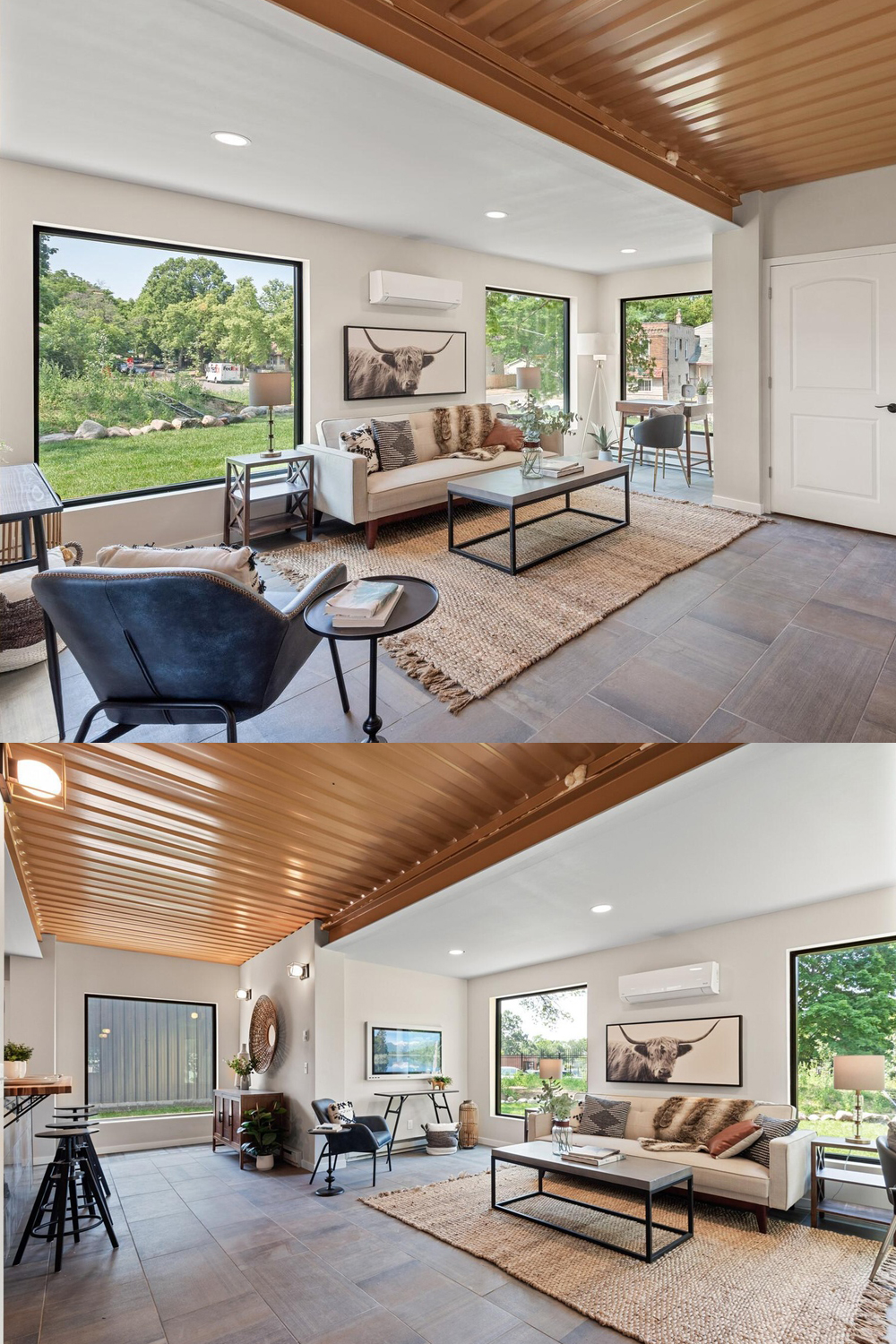
Open Layouts:
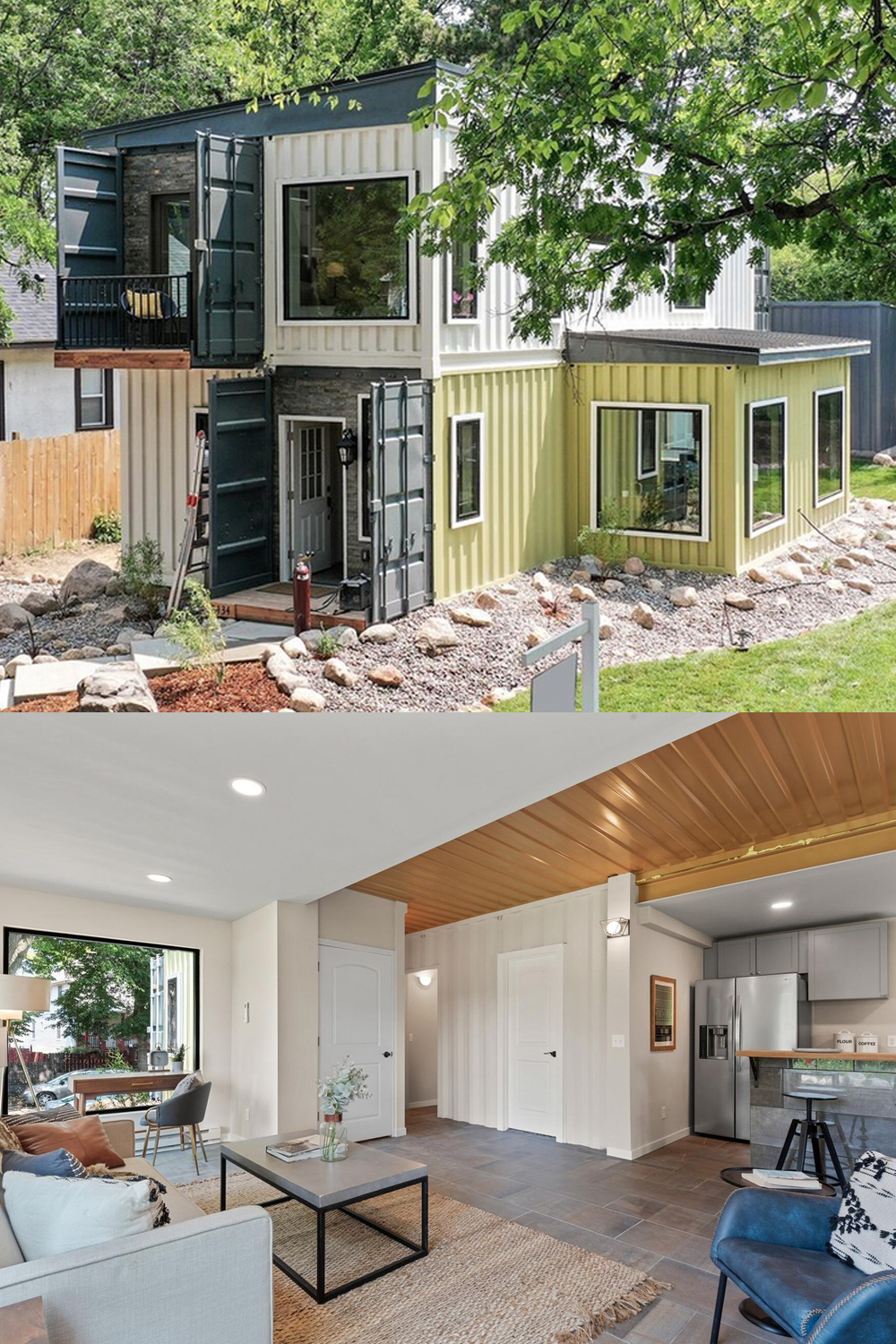
Most container homes have open plans. Kitchens, living rooms, and dining areas flow together. This makes the most of the narrow shape.
Smart Storage:
Look for built-in benches, wall shelves, and hidden drawers. Tiny spaces demand creative solutions.
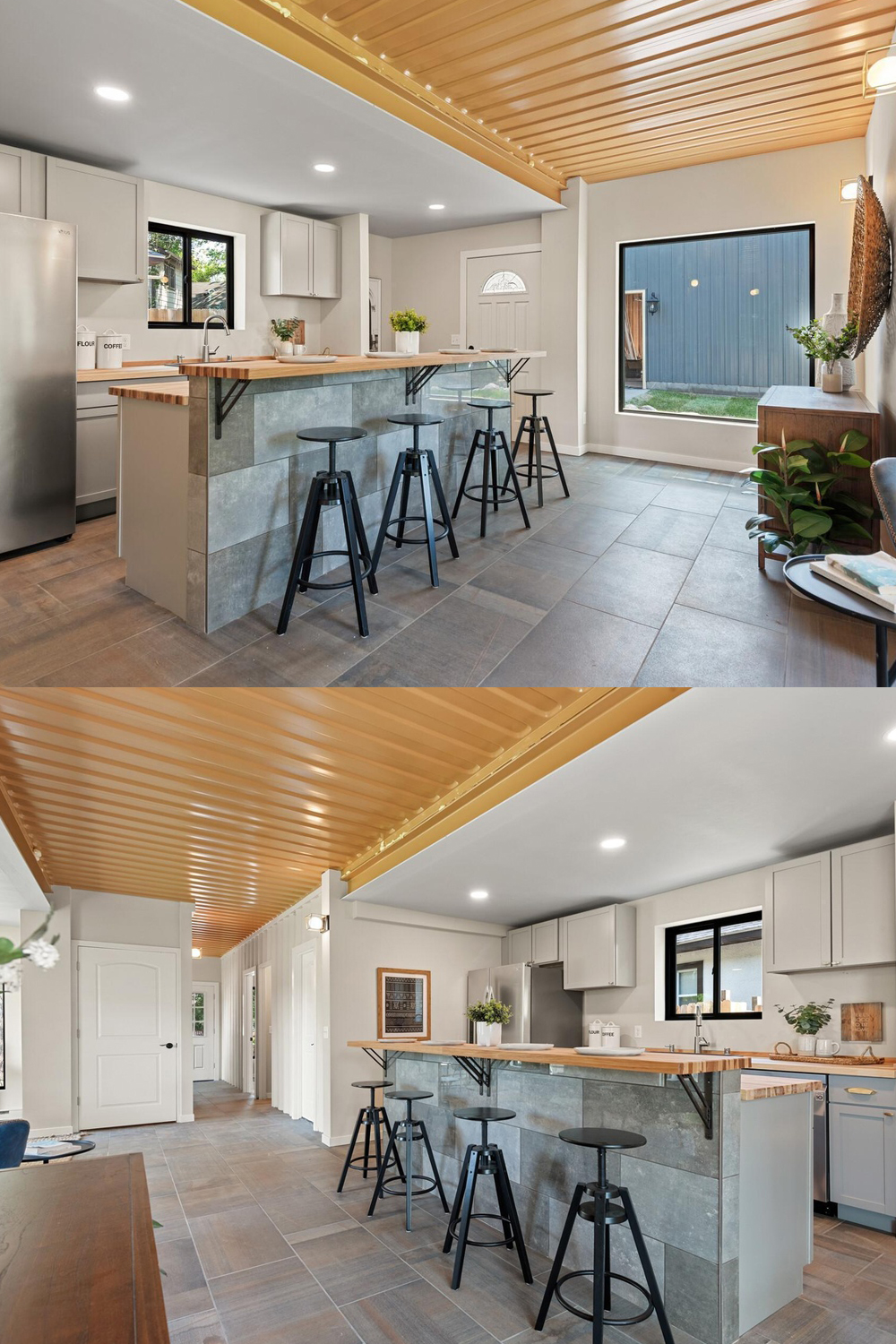
Industrial Touches:
Many homes leave some steel exposed, like beams, walls, or the original container numbers. This adds to the modern, industrial feel.
Personal Details:
Art, bright rugs, and cozy pillows make a box feel like home. Owners love to add their own stamp with fun colors and patterns.
How a Container House Comes to Life: Step by Step
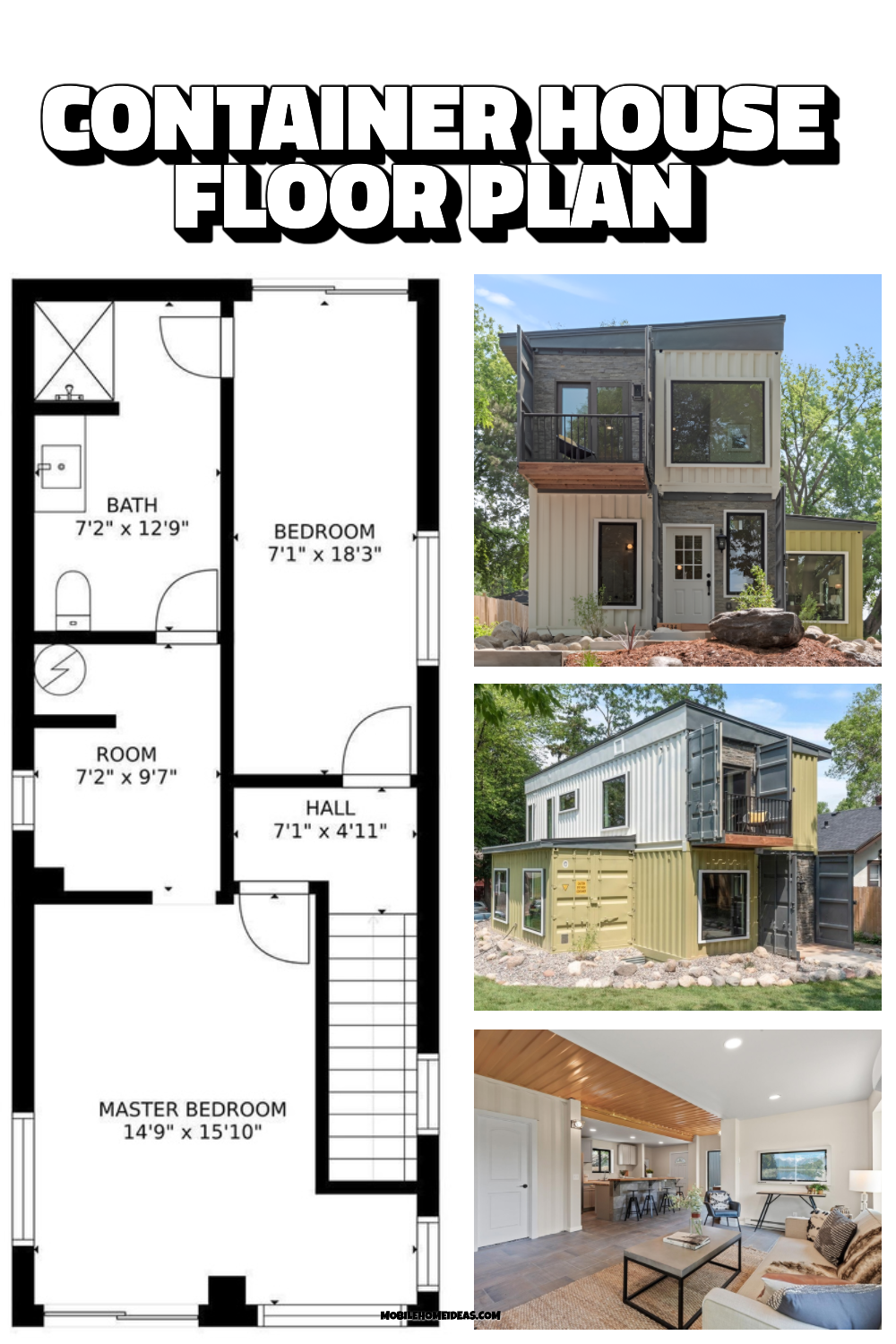
- Plan and Get Permits: First, you need a design and building permits. Some cities have rules about containers, so always check first.
- Pick Your Containers: New containers are clean and tidy, but used ones save money. Look for boxes with minimal rust and dents.
- Lay the Foundation: Like every house, containers need a solid base. Most sit on concrete piers, slabs, or even steel beams.
- Move the Boxes: A crane lifts the containers into place. Once they’re set, builders weld or bolt them down so they stay put.
- Cutting and Framing: Builders cut holes for windows, doors, and any changes inside. They add steel frames around these openings to keep the box strong.
- Add Utilities: Electric wiring, plumbing pipes, and heating/cooling systems go in next. Good insulation is added inside the walls.
- Finish the Interior: Walls are covered, floors are installed, and the kitchen and bathroom are added. Paint, tile, and lighting come last.
- Dress Up the Exterior: Decks, stairs, and landscaping turn a metal box into a home you’ll love.
Pros and Cons: Is Container Living Right for You?
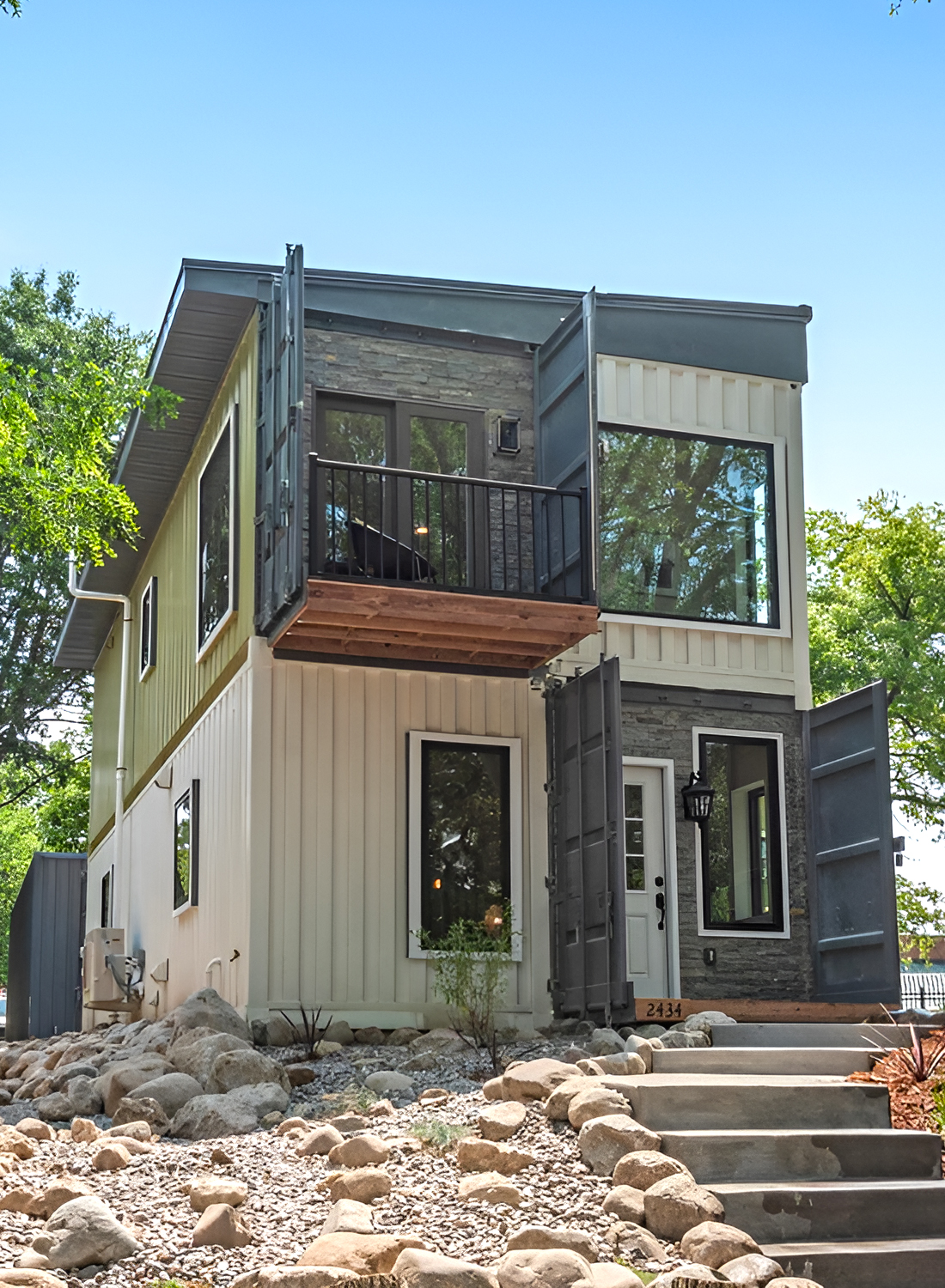
The Good Stuff
- Fast Build: Homes can go up in weeks, not months.
- Eco-Friendly: You’re recycling, and can add other green features.
- Super Strong: Steel frames handle wild weather.
- Flexible: Easy to expand, stack, or even move.
- Affordable: Costs less than traditional homes.
The Tricky Parts
- Insulation: Steel gets hot and cold fast, so good insulation is a must.
- Local Rules: Some places don’t allow container homes, or have strict building codes.
- Space: Containers are narrow, so layouts can be tight.
- Rust: Steel must be treated and painted to prevent rust.
- Moving Costs: If your site is remote, getting the container there can cost extra.
These homes show how creative and flexible container design can be. Whether you want something small and cozy or big and bold, there’s a container home for you.
Should You Build a Container House?
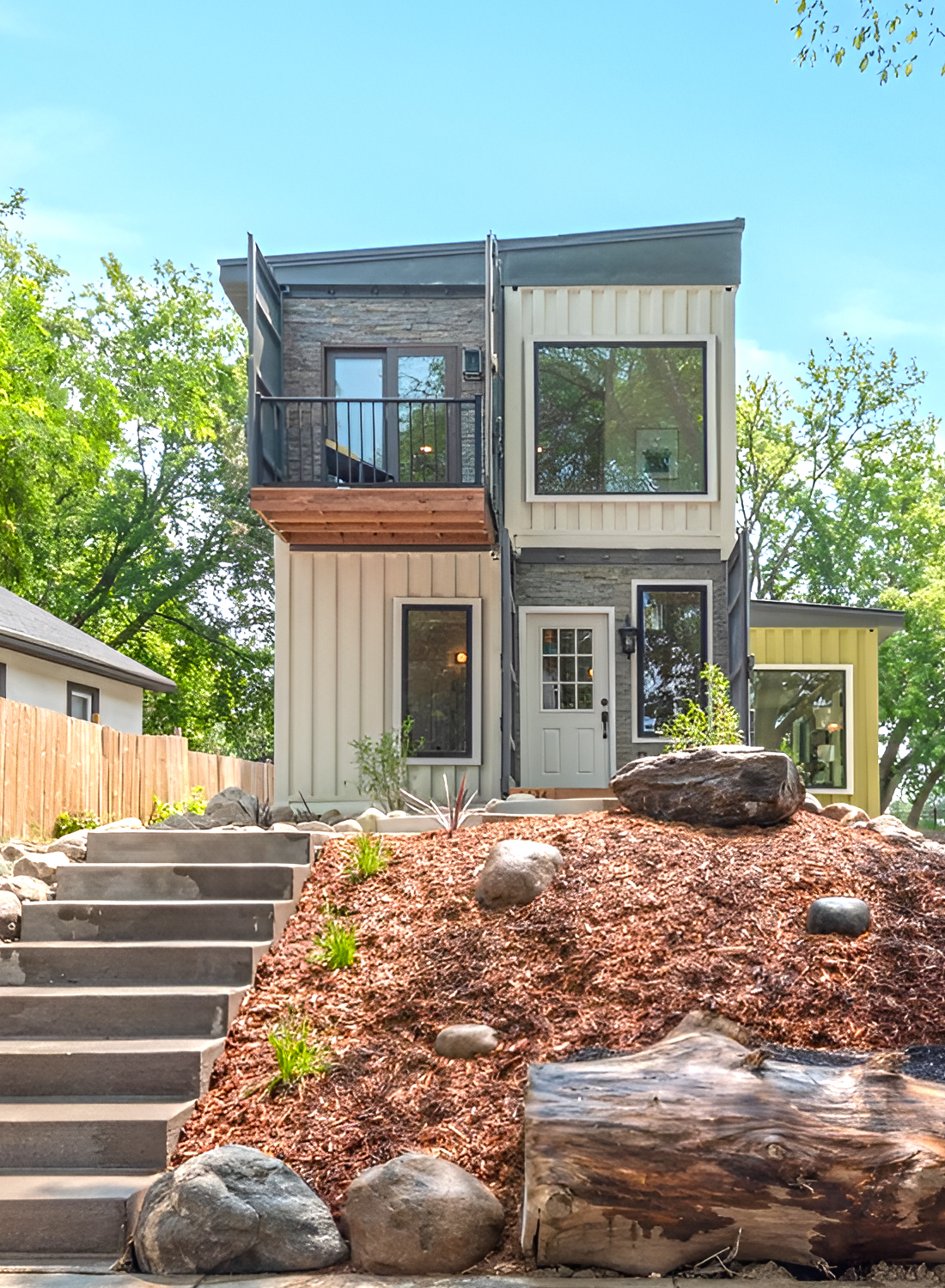
Container homes are perfect for people who want something different. If you love smart design, eco-friendly living, or just want a house that stands out, you’ll feel right at home. Just remember to plan ahead, get the right permits, and work with people who know containers inside and out.
Final Thoughts: Thinking Outside the Box
Container homes prove you don’t need to follow the rules to have a great place to live. They’re strong, stylish, and filled with personality. With a little creativity, even an old shipping box can become your dream home.
So next time you spot a container at a port or rolling down the road, picture it as a cozy kitchen or a sunny living room. Who knows—your next adventure could begin with a simple steel box.